
Welcome to the exciting and flavorful world of spicy food! From A-Z, we’ve got every alphabet letter covered with some of the spiciest dishes imaginable worldwide.
So whether you’re a seasoned pro or starting, get ready to heat things with this amazing list.
Spicy Foods That Start With A
Abacha
Abacha (African Salad) is one of the most delicious and widely-loved foods in West Africa, especially among the people of Igbo.
This savory dish is effortless to prepare, requiring just a few simple ingredients like cassava flakes, palm oil, crayfish, and ugba.
To make Abacha, you need to sauté the ingredients in a pan until they are nice and crispy, then serve it warm alongside some other local favorites such as plantains or fufu.
Whether enjoyed as a quick snack or served at special family gatherings, Abacha is sure to be a crowd-pleaser!
Acar

Acar is Indonesian for “pickled vegetables,” and it is one of the most popular dishes in the country. The vegetables are usually cucumber, chayote, cabbage, or carrot and are pickled in a vinegar or brine solution.
The pickling process can sometimes include chili peppers, making Acar even spicier and more flavorful.
Acar is often served as a side dish but can also be eaten as a delicious and healthy snack. If you’re looking for a new way to enjoy pickled vegetables, Acar is worth trying!
Acar Awak

Acar Awak (Acar Nyonya) is a dish sure to delight the senses with its tantalizing flavors and vibrant colors. This pickled vegetable dish is perfectly spiced and sour, with just a hint of sweetness that adds depth to its unique taste.
Traditionally enjoyed as an accompaniment to rice or other local dishes, Acar Awak has become a popular choice among those looking for something new and delicious.
Its rich flavors complement any meal, giving it an extra flavor that delights the taste buds with every bite.
This dish has become a favorite among food lovers everywhere and can be found in restaurants and homes across Malaysia and Singapore.
Acarajé

Acarajé is a popular Brazilian street food made from deep-fried black-eyed peas. It is typically served with a spicy chili pepper sauce and fresh vegetables, making it the perfect dish for those who enjoy a little heat in their food.
Acarajé is traditionally made by women called “baianas,” who wear traditional white dresses and headscarves. If you’re ever in Brazil, look for these women so you can try this delicious dish!
Adobo

Adobo is a popular dish in Philippine cuisine that involves meat or seafood cooked in vinegar and soy sauce-based marinade. The word “adobo” refers to the marinade, which can be used on any protein you choose.
Adobo is typically made with chicken or pork, but you can also find dish versions using fish, shrimp, or tofu. The key to making a good adobo is to allow the meat to marinate in the sauce for at least a few hours, or even overnight if possible, so it has time to absorb all of the flavors.
Adai

Adai is a popular dish from South India made with a batter of rice and lentils. It is similar to a crepe or pancake but much thicker and heartier.
Adai is typically served for breakfast or as a snack and can be enjoyed plain or with various toppings such as chutney, onion, or curry leaves.
African Chicken Stew

African Chicken Stew is a hearty and flavorful dish made with chicken, tomatoes, onions, peppers, and spices. It is a popular choice among those who enjoy African cuisine or are looking for a new way to prepare chicken.
Ají de Gallina
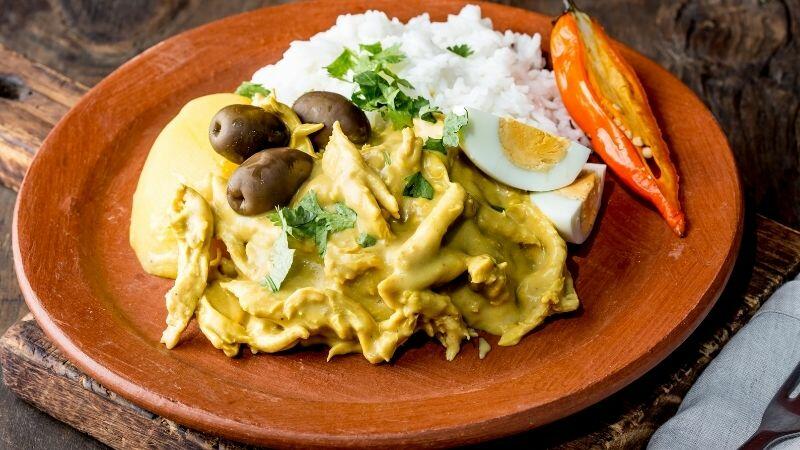
Ají de Gallina is a Peruvian dish traditionally made with chicken, potatoes, and Aji Amarillo, a yellow chili pepper. The dish gets its name from the “aji” in name, which means chili pepper, and the “gallina” means chicken.
Ají de gallina is a hearty and filling dish perfect for a cold winter. The chicken is cooked in a creamy sauce made with milk, cheese, and nuts, and the potatoes add a nice starchy element to help balance out the heat from the peppers.
Ajiaco Cubano

Ajiaco Cubano is a popular Cuban soup with chicken, potatoes, and corn. It is a hearty and filling soup perfect for a cold winter. The soup is typically served with a side of white rice and topped with sour cream.
Albóndigas

Albóndigas are meatballs that are popular in Spanish and Latin American cuisine. They can be made with various types of meat, but the most common is beef.
Albóndigas are typically served in a tomato-based sauce and often with rice or other starchy sides.
Aloo gobi

Aloo gobi is a classic Indian dish with potatoes, cauliflower, and spices. It is a popular vegetarian dish that can be served as a side or main course.
Aloo gobi is typically made with curry powder, turmeric, cumin, and ginger, which give it a warm and fragrant flavor.
Arrabbiata sauce

Arrabbiata sauce, also known as sugo all arrabbiata in Italian, is a spicy tomato-based sauce typically used with pasta dishes. This zesty and flavorful sauce is made with garlic, chili peppers, and tomatoes, giving it a nice balance of sweetness and heat.
Arrabbiata sauce is a great option if you’re looking to
Arroz Con Pollo

Arroz con pollo is a classic Spanish dish with chicken, rice, and veggies. It is a hearty and filling meal that can be served as a main course or side dish. Arroz con pollo is typically made with chicken thighs, but you can also use chicken breasts.
The rice is cooked in a flavorful broth with chicken stock, saffron, and spices. The dish is then topped with peas, carrots, and onions.
Asado

Asado is a famous Argentinean dish that is made with grilled meat. The most common meat for Asado is beef, which can also be made with pork, chicken, or lamb. Asado is typically served with a side of salad or potatoes.
Asam Laksa

Asam laksa is a popular Malaysian soup with fish, tamarind, and noodles. The soup is typically served with a side of rice and topped with chopped onions, cucumber, and mint leaves. It is a sour and spicy soup perfect for a hot summer day.
Azifa

Azifa is a popular Ethiopian dish with lentils, spices, and herbs. It is a hearty and filling meal that can be served as a main course or side dish. Azifa is typically served with injera, a type of spongy flatbread.
Spicy Foods That Start With B
Baba Ghanoush

Baba Ghanoush is a Levantine dish of eggplant dip or spread typically made with tahini, olive oil, and lemon juice. It is a popular meze often served with pita bread or vegetables.
Baba ghanoush has a smooth and creamy texture with a slightly smoky flavor.
Barbeque

Barbeque, or BBQ, is a method of cooking meat over an open fire. The word “barbeque” can refer to the event itself, the grill used for cooking, or the food cooked on the grill.
There are many different barbeques, but they all typically involve meat cooked on a grill or over an open flame. The meat is often seasoned with various spices and sauces, giving it a unique flavor that is perfect for any outdoor event.
Barbeque is a popular summertime activity in many parts of the world, and there are competitions dedicated to who can make the best barbeque sauce or grill the perfect steak.
Bah Kut Teh

Bah kut teh is a famous soup in Southeast Asia made with pork, herbs, and spices. The soup is typically served with a side of rice and topped with chopped onions, chili peppers, and cilantro.
The soup has a strong herbal flavor that is perfect for a cold winter day.
Beef Stroganoff

Beef stroganoff is a Russian dish made with beef, mushrooms, and sour cream. Beef stroganoff is typically served over egg noodles or rice. It is a hearty and filling meal that can be served as a main course or side dish.
The dish gets its name from the Stroganov family, some of the first to make the dish.
Bhindi Masala

Bhindi masala is an Indian dish with okra, spices, and tomatoes. It is a hearty and filling meal that can be served as a main course or side dish. Bhindi masala is typically served with roti or rice.
The dish gets its name from the ” bhindi,” word for okra.”
Biryani

The origins of biryani can be traced back to Persia, where it was brought to the Indian subcontinent by travelers and traders.
This aromatic dish is now considered a national dish in India and other Arab countries, featuring a flavorful mix of rice, vermicelli, veggies, herbs, nuts, and protein. With its complex flavors and enticing textures, biryani is a dish that truly delights the senses.
Beyaynetu

Beyaynetu is a spicy dish made with various spices and herbs. In addition to its spiciness, Beyaynetu contains other savory and umami-rich ingredients like garlic, onions, and tomatoes, adding depth and richness to the overall dish.
This combination of flavors gives the dish a complex and richly aromatic flavor profile that will tantalize your taste buds.
Beshbarmak

Beshbarmak is a popular Kazakh dish with horsemeat, noodles, and vegetables. It is a hearty and filling meal that can be served as a main course or side dish. Beshbarmak is typically served with a side of sour cream or yogurt.
The dish gets its name from the Kazakh word for “five fingers,” which is how the noodles are traditionally eaten.
Bibimbap

Bibimbap is a popular Korean dish that consists of rice, vegetables, and meat, typically beef. The word “bibimbap” means “mixed rice,” and that’s exactly what this dish is – a mix of everything good.
Bibimbap is typically served in a hot stone bowl, which helps to keep the rice nice and crispy. The dish is often topped with an egg, making it a complete meal in one.
Bibimbap is worth trying if you’re looking for a hearty, flavor-packed dish.
Brain Masala

Brain masala is a popular dish made with brains, spices, and tomatoes in India. It is a hearty and filling meal that can be served as a main course or side dish. Brain masala is typically served with roti or rice.
Brazilian Vatapa

Brazilian Vatapa is a spicy dish that originated in Africa and has become a classic in the cuisine of Bahia. This dish is characterized by its distinct flavor, which comes from palm oil, coconut milk, and coriander.
Additionally, it features prawns as the main ingredient in a creamy sauce served with acaçá or white rice.
Vatapa is also popularly used to fill acarajé and fried bean pasties. Despite its richness and complexity, many variations of this dish make it more accessible for everyday use.
Some recipes substitute fish or fresh prawns for cooked chicken to make the dish less expensive and easier to prepare.
Bo Kho

Bo Kho is a delicious Vietnamese dish of beef, carrots, and star anise. Bo Kho usually goes best with rice or noodles. It’s a great lunch or dinner option in Vietnam and can be served as a main course or side dish.
Bucatini All’ Amatriciana

Bucatini all’ amatriciana is an Italian dish made with bucatini pasta, tomatoes, and pancetta. The spicy sauce in this dish is what gives it its characteristic flavor. It is a hearty and filling meal that can be served as a main course or side dish.
Buffalo Wings

Originating in the United States, buffalo wings are chicken wings coated in a spicy sauce and then deep-fried. They are typically served with blue cheese dressing and celery sticks.
The difference is many restaurants make hot sauces with different ingredients. Some of the most common ingredients in buffalo sauce are hot sauce, vinegar, butter, Worcestershire sauce, and garlic.
Bun Bo Hue

Vietnam’s classic dishes, Bun Bo Hue, originated from Hue, the old capital of Vietnam. This dish has a strong flavor, spicy lemongrass, and shrimp paste. The main ingredients are rice vermicelli (bun), beef, and pork leg.
It is usually garnished with chopped green onions, cilantro, bean sprouts, lime wedges, and chili peppers.
Bun Cha

Another of Vietnam’s noodle soup dishes, Bun Cha, is a Hanoi specialty. It consists of rice vermicelli noodles (bun), grilled pork (cha), and dipping sauce. It is typically served with fresh herbs and vegetables on the side.
The dish is believed to have originated in the early 19th century and has been a popular street food in Hanoi ever since.
Spicy Foods That Start With C
Chicken Cacciatore

Chicken Cacciatore is a spicy, hearty dish that is well worth trying. This dish gets its heat from the combination of tomatoes, garlic, and bell peppers, and it is packed with rich flavors that are sure to satisfy your taste buds.
Additionally, the chicken thighs used in this dish are incredibly tender and delicious, making Chicken Cacciatore a must-try for anyone looking for a comforting and satisfying meal.
Camarones Enchiladas

This Cuban shrimp creole is spicy due to the combination of flavors and seasonings used in the dish. The spicy taste in this dish comes from the hot sauce added to the tomato sauce.
The sauce is made with onions, peppers, and other seasonings, which add many flavors and heat to the dish. Additionally, the shrimp are cooked in tomato sauce, which absorbs some of the spicinesses and adds an extra dimension of warmth.
Calabria

Calabria is a region in southern Italy renowned for its spicy food. The cuisine in this region features chili peppers as a key ingredient, which gives the dishes their characteristic heat.
Some of the most popular dishes from Calabria include ‘nduja (a spreadable salami), soppressata (a dry-cured salami), and peperoncino (a chili pepper used as a condiment).
Caldo de Feijão

Caldo de feijão is a Brazilian black bean soup traditionally made with pork, sausage, and vegetables.
Caldo Santo

Caldo Santo is a Portuguese dish with potatoes, kale, and sausage. It is a hearty and filling soup that gets its heat from adding chorizo sausage.
Chap Shoro
A popular Argentine dish, Chap shoro is a beef, lamb, or goat stew. The meat is cooked in spicy chili pepper and paprika-based sauce.
Chap shoro is typically served with white rice, boiled potatoes, and salad. It can also be served with bread on the side.
Char Kway Teow

Char kway teow is a Malaysian stir-fried noodle dish with flat rice noodles, prawns, Chinese sausage, bean sprouts, and chives.
The dish is stir-fried with soy sauce and chili paste, giving it a spicy flavor. Additionally, char kway teow can be garnished with various ingredients, such as fried shallots, green onions, and cucumber.
Ceviche

Ceviche is a popular Latin American dish made with raw fish marinated in citrus juice, typically lime or lemon.
The acid in the citrus juice “cooks” the fish and is often served with onions, peppers, and cilantro. Ceviche can be enjoyed as an appetizer or main course, and it is typically served with tortilla chips, tostadas, or plantain chips.
Chicken Karahi

Chicken karahi is a Pakistani dish with chicken, tomatoes, and spices. The dish gets its heat from adding chili peppers, which can be adjusted to taste.
Chicken karahi is typically served with roti or naan bread on the side.
Chimichurri Sauce

Chimichurri sauce is an Argentinean condiment made with parsley, oregano, garlic, red wine vinegar, and olive oil.
This bright green sauce is typically used as a marinade or dipping sauce for grilled meat. It can also be used as a topping for salads, pasta, or rice dishes.
Chinese Pork Belly

Chinese pork belly is a dish with pork belly marinated in various spices, including five-spice powder and chili pepper. The pork belly is then slow-cooked until it is tender and juicy.
Chili Oil

Chili oil is a popular condiment used in Chinese cuisine. It is made with chili peppers, oil, and various spices. Chili oil can be used as a dish’s dipping sauce, cooking ingredient, or topping.
It adds a spicy and flavorful kick to any dish, making it a perfect addition to anyone’s kitchen pantry.
Chili Crab

Chili crab is a popular dish from Singapore made with mud crabs cooked in a spicy chili and tomato sauce. The dish is often served with steamed rice or buns on the side.
Chili crab can be mild or spicy as desired, depending on the sauce’s amount of chili pepper used.
Crispy Brazilian Chilli Poppers

Crispy Brazilian Chili Poppers are a popular appetizer made with cheese-stuffed chili peppers. The chili peppers are coated in a batter and deep-fried until crispy and gooey.
They are typically served with a dipping sauce, ranch dressing, or sour cream.
Cuban Mojo Chicken

Cuban Mojo chicken is made with chicken marinated in a citrusy mojo sauce. The sauce has garlic, orange, lime, and spices.
The chicken is typically grilled or roasted and served with rice, beans, and plantains.
Curry Noodles

Curry noodles are a popular Thai dish made with rice noodles, chicken, vegetables, and a curry-based sauce. The dish is typically served with a side of steamed rice.
The curry noodles can be mild or spicy as desired, depending on the chili pepper used in the sauce.
Spicy Foods That Start With D
Dandan noodles

Dandan noodles are a popular Chinese dish made with wheat noodles, pork, vegetables, and chili-bean sauce. The sauce gives the dish its signature spicy flavor.
Dal Gosht

Dal gosht is a popular Indian dish made with lentils and goat meat. The dish is cooked with various spices, including cumin, coriander, chili pepper, and turmeric.
Dal Tadka

With its rich and creamy texture, this delicious Dal Tadka dish incorporates a variety of flavorful ingredients, including arhar dal (also known as split pigeon pea lentils) and masoor dal (or split red lentils).
Adding smoky spices creates an irresistible flavor that will delight your taste buds.
Dolmas

Dolmas is a popular dish from the Mediterranean region that is made with grape leaves stuffed with rice and vegetables. The dolmas are then cooked in olive oil and lemon juice.
Doubanjiang

Doubanjiang is a salty paste made from broad fermented beans, soybeans, rice, salt, and other spices. It has a rich and complex umami profile that brings deep flavor and complexity to dishes. This unique ingredient is the soul of Szechuan cooking and is also used in other regions of China, including Hunan province.
There are two types of doubanjiang: spicy and non-spicy. Depending on your recipe, you may need to use one or the other to get the best results.
Generally speaking, spicy doubanjiang tends to be more flavorful than non-spicy versions, but it can also be quite spicy. If you’re looking for more nuance and less heat, non-spicy doubanjiang might be the better choice for your dish.
Doro Wat

Doro wat is a savory chicken stew with complex spicy flavors and a rich, buttery texture. It gets its unique taste from niter kibbeh; a spiced butter made with aromatic spices like fenugreek, hot chiles, and cardamom.
Berbere, a
This iconic Ethiopian dish is typically served with injera bread – a flatbread made from teff, the staple grain of Ethiopia.
Doro wat can be found in restaurants worldwide, making it one of the most well-known Ethiopian foods.
Derek Tibs

Derek tibs is an Ethiopian dish with sautéed beef, onions, and green peppers. The beef is typically seasoned with berbere, a
Spicy Foods That Start With E
Ema Datshi

Ema Datshi is a beloved national dish in Bhutan’s tiny, enchanting nation. Nestled in the folds of the Himalayas, this picturesque country is known for its spectacular scenery and unique and unaffected cuisine.
Though it is situated between India and China, Bhutan has managed to maintain a relatively independent culinary tradition. With its focus on simplicity and purity of flavor, Bhutanese cuisine relies primarily on local produce.
This style is heavily influenced by Tibetan cuisine, which has been adapted over time to incorporate regional ingredients.
Spicy Foods That Start With F
Fricasé de Pollo
Chicken fricassee is a hearty and flavorful dish made from stewed dark meat chicken, cooked in a rich tomato sauce, and seasoned with potatoes and olives.
This classic Cuban comfort food is simple to prepare yet full of flavor, making it an ideal choice for casual weeknight meals or special occasions.
Spicy Foods That Start With G
Goan Fish Curry

Goan Fish Curry is an aromatic, spicy curry made with a blend of fragrant spices and fresh ingredients like tomato and coconut.
Originating in the tropical paradise of Goa, this dish has long been a favorite among travelers worldwide, especially those looking to escape to the sun, surf, and excellent seafood found along its pristine beaches.
With a rich flavor profile that combines notes of garlic, ginger, onion and fresh tomato alongside bold spices like cumin and coriander, Goan Fish Curry is a mouthwatering meal perfect for any occasion.
Goi Du Du

Goi Du Du is a refreshing and sophisticated Vietnamese green papaya, topped with roasted peanuts, Thai Basil leaves and dresses in a sweet and tangy soy sauce.
Each component of this dish works together perfectly to create a balanced flavor and textural profile.
The unripe green papaya provides an appealing crunch and chewiness, while the Thai basil leaves and roasted peanuts add distinct aromas and great texture.
Guineítos en Escabeche
Guineos en escabeche is a popular Puerto Rican side dish made by marinating green bananas in a tangy, savory sauce.
Also known simply as Puerto Rican green bananas, this dish is often served as a special-occasion dish around the holidays. Still, it can also be enjoyed as a refreshing and tasty summer side.
Spicy Foods That Start With H
Hot and Sour Soup

Hot and sour soup is a classic Chinese dish that is beloved for its spicy and savory flavors. The broth is made with chicken or pork stock and is thickened with a mixture of cornstarch and water.
The soup is flavored with Shaoxing wine, soy sauce, vinegar, and sesame oil, giving it a complex and nuanced flavor profile. Finished with a touch of chili oil for heat, this dish will satisfy any craving for spicy comfort food.
Hot Sauce

Hot sauce is a versatile condiment that can add heat and flavor to all sorts of dishes. It is made by combining chili peppers with vinegar and other spices and can be found in both bottled and homemade varieties.
Hot sauce is a great way to add spice to any dish and can be tailored to fit individual preferences. Whether you’re looking for a mild or spicy sauce, there’s sure to be a variety of hot sauces to choose from.
Hulatang
Hulatang is a spicy soup from Chinese made with pork, shrimp, and fish balls. It is a popular dish that can be found in many restaurants throughout the country.
The broth of Hulatang is made with various spices, including ginger, garlic, and onion. The soup also features a variety of seafood, including shrimp and fish balls. This gives the soup a rich and flavorful flavor that will please any palate.
Spicy Foods That Start With I
Ikan Bakar

Ikan Bakar is a Malaysian dish made of grilled fish. The fish is typically marinated in soy sauce, ginger, garlic, and chili pepper before being grilled over hot coals.
The result is a spicy, flavorful, and healthy dish. Ikan Bakar makes an excellent meal for any occasion and can be enjoyed by people of all ages.
Instant noodles

It might be a cheat to include this on the spicy food list. But in some cases, the simplest food can be the best. No wonder instant noodles have become one of the most popular convenience food in the world.
Many instant noodles brand also provide spicy versions. The essential ingredients are usually the same: dried noodles, a sachet of flavoring powder or paste, and oil.
However, the amount of chili in the powder or paste will differ, making some versions much spicier than others.
Spicy Foods That Start With J
Jambalaya

Jambalaya is a Louisiana Creole dish with rice, vegetables, and meat or seafood. The most common meats used in jambalaya are sausage, chicken, and shrimp.
The dish contains various spices, including paprika, cayenne pepper, thyme, and oregano. Jambalaya is a hearty and filling meal that is perfect for any occasion.
Jamaican Curry Chicken

Jamaican Curry Chicken is a beloved dish for its rich and spicy flavor. The chicken is marinated in a blend of spices, including curry powder, ginger, garlic, and thyme. This gives the chicken a complex flavor that is both bold and delicious.
The chicken is then cooked in a creamy coconut sauce that adds a touch of sweetness to the dish. The result is a mouthwatering meal that will satisfy any craving for spicy Caribbean cuisine.
Jamaican Manish Water
Jamaican Manish Water is a spicy soup with goat, and blood sausage. It is a popular dish in Jamaica and found in many restaurants throughout the country.
The broth of Jamaican Manish Water is made with various spices, including scallions, thyme, allspice, and scotch bonnet peppers. The soup also features a variety of beef and pork products, including goat and blood sausage. This gives the soup a rich and flavorful flavor that will please any palate.
Jamaican Oxtail

Jamaican Oxtail is not typically considered a particularly prime cut of beef, but it has gained popularity in many different culinary traditions.
This slow-cooked meat is often braised with garlic, onions, peppers, beans, and other seasonings to create a rich and complex broth that can have sweet, tangy, salty, and spicy notes all at once. This flavorful dish will please any discerning palate, whether enjoyed as a stew or served on its own.
Jerk Chicken
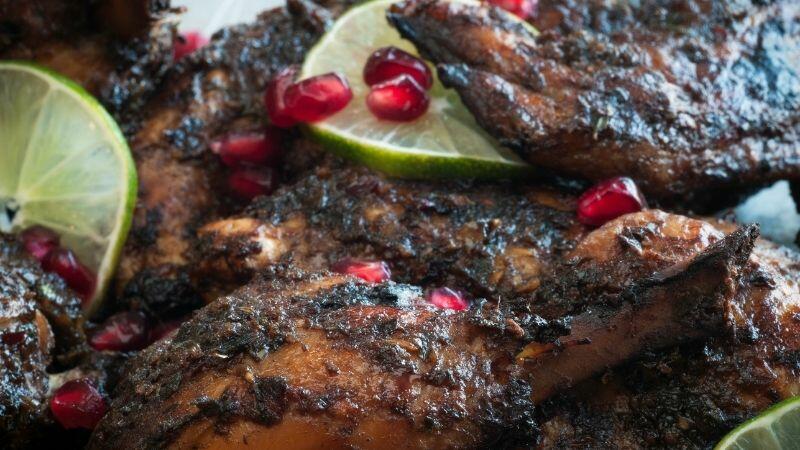
Jerk chicken is a Jamaican dish made by marinating chicken in a blend of spices, including allspice, Scotch bonnet peppers, and thyme. This gives the chicken a complex flavor that is both bold and delicious.
The chicken is then cooked over hot coals, giving it a crispy outer coating. The result is a mouthwatering dish that will satisfy any craving for spicy Caribbean cuisine.
Jibarito

The Jibarito is a sandwich from Puerto Rico made with flattened and fried green plantains instead of bread. The plantains contain toppings, including chicken, steak, or shrimp.
This unique sandwich is both crispy and delicious, providing the perfect balance of textures and flavors. The combination of spices and tastes makes the Jibarito a must-try for any fan of spicy food.
Jjamppong

Jjamppong is a spicy Korean noodle soup made with seafood and vegetables. The broth of jjamppong is made with various spices, including ginger, garlic, and onion.
The soup also features a variety of seafood, including shrimp and fish balls. This gives the soup a rich and flavorful flavor that will please any palate.
Spicy Foods That Start With K
Kaeng Tai Pla

Kaeng Tai Pla is a Thai dish made of fermented fish. Before fermentation, the fish is typically marinated in soy sauce, ginger, garlic, and chili pepper.
It’s a favorite dish from Southern Thailand and is often eaten with rice and vegetables. The result is a spicy, flavorful, and healthy dish.
Kaeng Som

Kaeng som is a Thai soup made with tamarind broth and various vegetables. The soup is also typically made with fish, shrimp, or pork.
The soup is seasoned with various spices, including lemongrass, galangal, kaffir lime leaves, and chili peppers. This gives the soup a complex flavor that is both sour and spicy.
Kaeng som is a popular dish in Thai restaurants. You can find it across the country, but for the best experience, recommend visiting authentic places in southern Thailand.
Kazakh Manti

Manti is a type of dumpling that is popular in many different cuisines. The Kazakh version of manti is made with lamb and onion filling and served in broth.
The broth is typically made with spices, including cumin and chili pepper. This gives the soup a complex flavor that is both bold and delicious.
Kazy

Kazy is a Kazakh dish made of horse meat. The meat is marinated in various spices, including cumin and chili pepper.
It is then slow-cooked over an open fire. The result is a tender and flavorful piece of meat that is perfect for any fan of spicy food.
Khao Soi

Khao soi is a rich and flavorful soup that is recognized as one of the most iconic dishes of Northern Thailand. Khao Soi is the latest no.1 best soup in the world ranked by the website TasteAtlas. This dish draws upon various regional influences, bringing together coconut milk, red curry paste, and a range of meats, including chicken, beef, and pork.
Whether enjoyed on its own or paired with other Thai delicacies, khao soi is an unforgettable dish that genuinely showcases the unique culinary heritage of this region.
Topped with crispy fried noodles and fresh cilantro, khao soi is served in a mildly spicy broth that includes coconut milk and red curry paste. The dish is often accompanied by tangy pickled cabbage, sliced shallots, and fresh chilis to add even more flavor.
Khua Kling

Khua Kling is a Thai dish made with ground meat and various spices. The most common meats in Khua Kling are chicken, pork, and beef.
The dish is typically made with a paste of chili peppers, galangal, lemongrass, and kaffir lime leaves. This gives the dish a complex flavor that is both hot and sour.
If you reading from above to this line, you may curious Is Thai food supposed to be spicy? this article can help explain about Thai cuisine and how to order milder version of food.
Kimchi

Kimchi is a Korean dish made of fermented vegetables. The most common kimchi is made with cabbage, but other vegetables, such as radishes and carrots, can also be used.
The vegetables are fermented with chili peppers, ginger, garlic, and onion. This gives the kimchi a spicy, flavorful, and healthy one.
If you don’t like spicy, there is also a mild kimchi version called Baek Kimchi.
Kozhi Curry

Kozhi Curry is a popular dish from Kerala, India. The dish is made with chicken and various spices, including chili pepper, turmeric, coriander, and cumin.
The curry is typically served with rice or bread. It can also be enjoyed on its own as a soup.
Kolhapuri Chicken

Kolhapuri chicken is a rich and spicy chicken curry that showcases the varied and complex flavors of traditional Maharashtrian cooking.
This bold and flavorful dish is made by simmering chicken in a delicious base of onions, tomatoes, garlic, and aromatic spices like cumin, coriander, cardamom, and cloves.
The finished dish is packed with bold, spicy flavor, making it the perfect choice for special occasions or indulgent meals.
Kubba

Kubba is a type of dumpling that is popular in many different cuisines. The Kurdish kubba is made with rice and ground meat, usually lamb or beef.
The dumplings are then simmered in a flavorful broth made with spices, tomatoes, and onions.
Spicy Foods That Start With L
Lagman

Lagman is a Uyghur dish from Xinjiang, China. It is made with a variety of noodles, vegetables, and meat. The most common meats used in Lagman are lamb or beef.
The dish is typically served with a spicy sauce made of chili peppers, garlic, and vinegar.
Lahmacun

Lahmacun is a Turkish dish of flatbread topped with minced meat and vegetable topping. The most common meats used in Lahmacun are lamb or beef.
The topping is typically made with tomatoes, peppers, onions, and spices. The finished dish is then cooked in a wood-fired oven.
Lahori Paye
Lahori Paye is a traditional dish that originated in Central Asia and was later adapted by Muslim cooks from the Mughal period.
This hearty, lip-smacking dish consists of a thick, nutritious gravy served over slices of lemon, diced ginger, and fresh coriander.
Lau Thap Cam

Lau Thap Cam is a Vietnamese stew made with various vegetables and meats. The most common meats in Lau Thap Cam are chicken, pork, and beef.
The dish is typically served with rice or noodles. It can also be enjoyed on its own as a soup.
Leche de Tigre

Leche de Tigre is a Peruvian dish with fish, shrimp, or crab. The dish is marinated in a spicy sauce made of chili peppers, lime juice, and garlic.
The finished dish is typically served with white rice and boiled eggs.
Linguica sausage

Linguica sausage is a classic dish of Portugal, made from flavorful and heavily-spiced pork blended with paprika, chilies, and garlic. After being stuffed into casings, these links are smoked over hickory logs in a pit-barbecue style. With its rich flavor and spicy kick, linguica makes a delicious addition to any meal.
To take your linguica to the next level, try caramelizing some onions and loading them into soft rolls along with the sausage. This combination will satisfy your taste buds and leave you wanting more!
If you’re looking for something different to serve at your next party or gathering, consider including linguica in a spicy cheese board full of Latin flavors.
Lomo Saltado

Lomo Saltado is a Peruvian dish with beef, tomatoes, onions, and peppers. The beef is typically marinated in a
The finished dish is served over white rice or potatoes.
Spicy Foods That Start With M
Mala

Mala is a spicy and fiery seasoning made from Sichuan peppercorn and red chili peppers. This popular ingredient is typically prepared as a sauce by simmering it in oil and other aromatic spices. It is characteristic of Sichuan cuisine, particularly the regional cuisine of Chongqing.
Due to its popularity and unique flavor profile, mala has become one of the Chinese cuisine’s most widely used seasonings. It can be found in many regional variations throughout the country.
Mapo Tofu

Mapo Tofu is a dish from the Sichuan province of China. It is made with tofu, ground beef, and a spicy sauce made of chili peppers and bean paste.
It’s become established in every Chinese restaurant menu in the world.
Massaman curry

Massaman curry is a Thai dish with beef, potatoes, and a coconut milk-based sauce flavored with Massaman paste. The paste contains various spices, including cumin, coriander, cloves, and cardamom. The soup may look like Khao Soi but Khao Soi has more complex flavors.
The finished dish is typically served with steamed rice.
Merguez sausage
Merguez sausage is a type of spicy sausage that originated in North Africa. It is made with lamb or beef and seasoned with various spices, including cumin, chili peppers, paprika, and garlic.
After being formed into links, the sausage is typically grilled or roasted. It can be enjoyed independently or as part of a larger meal.
Meat Jerky

Jerky is a dried and spiced meat that originated in South America. It is typically made with beef but can also be made with chicken, pork, or fish.
The finished jerky is chewy and has a spicy, smoky flavor. It can be enjoyed as a snack or as part of a meal.
Mee Goreng

Mee Goreng is a dish from Indonesia made with noodles, vegetables, and meat. The most common meats in mee Goreng are chicken, shrimp, and beef.
The dish contains various spices, including chili pepper, turmeric, and garlic. It is typically served with a fried egg on top.
Misir Wat

Misir wat is a dish from Ethiopia made with red lentils, spiceberry, and berbere. Berbere is a
The finished dish is typically served with injera, a sourdough flatbread.
Mohinga

Mohinga is a Burmese dish made with fish, rice noodles, and various herbs and spices. The soup is traditionally made with catfish but can also be made with other types of fish.
The finished soup is typically garnished with cilantro, green onions, fried garlic, and lime.
Moussaka

Moussaka is a Greek dish made with eggplant, ground meat, and various spices. The eggplant is typically sliced and fried before being layered with meat and sauce.
The dish is then baked until it is hot and bubbly. Moussaka can be served as a main course or as a side dish.
Mongolian Hotpot
Mongolian hotpot is a dish from Mongolia made with a variety of meats, vegetables, and noodles. The hotpot is cooked in a shared pot of boiling broth, and each person can customize their bowl.
The dish is typically served with a dipping sauce made of chili pepper, ginger, and garlic.
Moqueca

Moqueca is a Brazilian dish with fish, onions, tomatoes, and cilantro. The fish is typically marinated in lime juice before being cooked in a clay pot.
The finished dish is typically served with white rice and beans.
Morisquetas
Morisquetas are Venezuelan sausages made with beef, pork, and various spices. The sausage is typically grilled or roasted before being served.
It can be enjoyed independently or as part of a larger meal.
Mulligatawny soup

Mulligatawny soup is an Indian dish with chicken, vegetables, and spices. The soup is typically served with rice and a dollop of yogurt.
Mutton Karahi

Mutton karahi is a Pakistani dish with mutton, tomatoes, and spices. The dish is typically served with naan, a type of flatbread.
Spicy Foods That Start With N
Nam Phrik

Nam phrik is a Thai dish made with various spices and ingredients. The most common ingredients in nam phrik are chili peppers, fish sauce, and shrimp paste. The dish can be served as a condiment or as a main course.
There are many variations of Nam phrik, and each region has its unique recipe. Here are some recommendations to try:
Nam Phrik Kra Pi – A nam phrik made with dried chili peppers, shrimp paste, and fish sauce. It is typically served with steamed vegetables or boiled eggs.
Nam Phrik Maeng Da – A nam phrik made with roasted chili peppers, shrimp paste, and fish sauce. It is typically served with grilled meats or boiled eggs.
Nam Phrik Narok – A nam phrik made with fresh chili peppers, shrimp paste, and fish sauce. It is typically served with grilled meats or boiled eggs.
Nam Phrik Pla Too – A nam phrik made with pickled fish, shrimp paste, and chili peppers. It is typically served with steamed rice or boiled eggs.
Naengmyeon

Naengmyeon is a Korean dish made with noodles, vegetables, and meat. The noodles are typically made from buckwheat or sweet potato starch.
The finished dish is served with a vinegar-based dressing and a hard-boiled egg.
Nasi Dagang

Nasi Dagang is a Malaysian dish with coconut milk, rice, and fish. The rice is typically cooked in coconut milk and seasoned with turmeric.
The finished dish is served with a curry sauce and pickled vegetables.
Nasi Goreng

Nasi goreng is an Indonesian dish with rice, vegetables, and spices. The rice is typically fried with various seasonings, such as soy sauce, kecap manis (sweet soy sauce), and chili peppers.
Nasi Kandar

Nasi Kandar is a traditional Malaysian dish that originated in Penang and has become popular among Indian Muslim traders. This steamed rice meal can be flavored and served with a variety of flavorful curries and other tasty side dishes.
Nasi Kandar is often served with various aromatic curries and other flavorful dishes. The name Nasi Kandar comes from the fact that the rice seller traditionally carries two large vessels of rice and accompaniments on their shoulders, allowing customers to quickly stop by and purchase a serving of this delicious dish.
Nasi Kerabu

Nasi Kerabu is a Malaysian dish with blue rice, vegetables, and spices. The rice is typically dyed with blue pea flowers and cooked in coconut milk.
The finished dish is served with various side dishes, such as fried chicken, salted fish, and pickled vegetables.
Nihari

Nihari is a Pakistani dish made with beef, lentils, and spices. The beef is slow-cooked until it is very tender.
The finished dish is filled with naan, a type of flatbread.
Nuoc Cham

Nuoc cham is a Vietnamese condiment with fish sauce, chili peppers, and lime juice. It is used as a dipping sauce or dish dressing.
Here are some recommendations on how to use Nuoc Cham:
- Use it as a dipping sauce for spring rolls or chicken skewers.
- Add it to a salad or use it as a dressing for noodles dishes.
- Use it as a marinade for grilled meats or seafood.
Spicy Foods That Start With O
Okra Stew

Okra stew is a hearty and delicious dish made with garlic, cilantro, tomato sauce, and beef or lamb. Also called yakhnit bamyeh in Arabic, this dish is made with fresh or frozen okra, which adds a rich and creamy texture to the stew.
Originating in West Africa, okra is a widely-used ingredient in many regional cuisines across the continent. While its exact origins are somewhat disputed, some historians believe that it may be linked to early references to the region now known as Ethiopia.
Regardless of its precise origin, okra remains an essential and beloved staple in many African kitchens.
Spicy Foods That Start With P
Pad Cha Talay

Pad Cha Talay is a Thai seafood dish with squid, shrimp, fish, and vegetables. The seafood is stir-fried with chili peppers, garlic, and ginger.
Paratha

Paratha is a flatbread made from whole wheat flour, ghee (clarified butter), and salt. It is served with curries or other savory dishes.
Paratha originated in the Indian subcontinent and is popular in many South Asian countries, such as Pakistan, India, and Bangladesh. In India, it is often eaten for breakfast or as a snack.
Pav Bhaji

Pav bhaji is an Indian dish with potatoes, vegetables, and spices. The vegetables are cooked in a curry sauce and served with soft bread rolls.
Pav bhaji originated in Mumbai (formerly Bombay), India, in the 19th century. It was a quick and easy meal for the city’s working-class population.
Pav bhaji is served with soft bread rolls, such as pav or roti.
Pernil

Pernil is a Puerto Rican dish with pork shoulder, garlic, oregano, and pepper. The pork slow-cooked until it is very tender.
Pernil served with white rice and beans. It can also be served with mashed potatoes or sweet plantains.
Phaal Curry
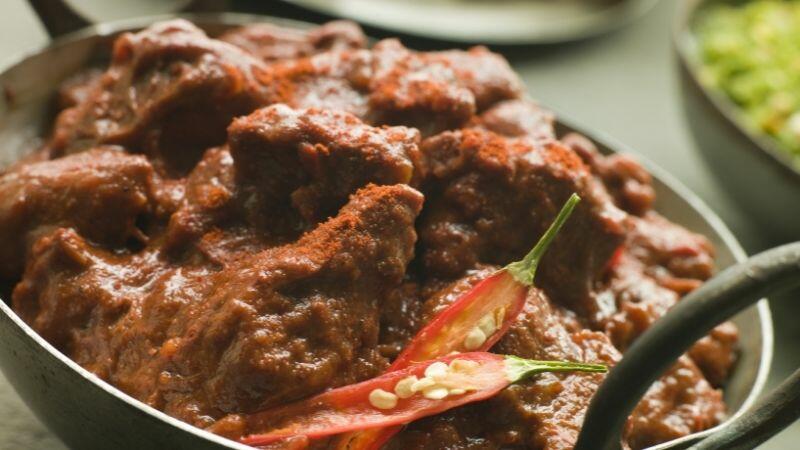
It’s one of the spiciest food in the world. It is made with Bhut Jolokia peppers, some of the world’s hottest peppers.
Phaal curry is a dish of Indian origin that has become popular in the United Kingdom. It is made with chicken, lamb, or beef.
Pho

Pho is a Vietnamese soup with rice noodles, meat (usually beef), and herbs. Simmering beef bones typically make the broth for several hours.
Pho originated in Vietnam in the early 20th century. It was initially simple rice noodles and beef broth dish, but it has since evolved into a complex and flavorful soup.
Pho is served with a variety of toppings, such as scallions, cilantro, bean sprouts, and lime.
Piri Piri Chicken

Piri Piri chicken is a dish of Portuguese origin that has become popular in many countries worldwide. The chicken is marinated in a sauce made with Piri Piri peppers, garlic, and lemon juice. It is then grilled or roasted.
Piri Piri chicken served with rice, potatoes, or vegetables.
Plov

Plov is a dish of Central Asian origin that is popular in many countries, such as Uzbekistan, Kazakhstan, and Kyrgyzstan. It is made with rice, meat (usual lamb), carrots, and onions. The ingredients are cooked together in a large pot or cauldron.
Plov served with a side of yogurt or sour cream.
Picante Eggplant Sauce

Picante eggplant sauce is a dish of Argentinean origin that is popular in many South American countries. It is made with eggplant, tomatoes, onions, garlic, and chili peppers.
Picante eggplant sauce served over pasta or rice. It can also be used as a dip for bread or vegetables.
Pilaf

Pilaf is a dish made with rice and meat (usually chicken, lamb, or beef). The rice is cooked in broth and typically flavored with onions, spices, and herbs.
Pilaf is a popular dish in many countries, such as India, Pakistan, Afghanistan, and Iran. It can serve as a main dish or a side dish.
Poke

Poke is a Hawaiian dish made with raw fish (usual tuna), rice, and vegetables. The fish marinated in a sauce made with soy sauce, sesame oil, and chili peppers.
Poke originated in Hawaii in the 1970s. It was originally a dish made by fishermen using the unwanted parts of the fish they had caught.
Puerto Rican Sancocho

Sancocho is a traditional stew or soup found in several Latin American cuisines. This hearty dish is characterized by its use of chicken, smoked ham, and other meat and vegetable ingredients.
In Puerto Rico, Sancocho is a rustic and simple dish, typically made with chicken and pork and flavored with spices like ginger and coconut milk.
It can also prepare using beef short ribs or fish and shellfish, along with various tubers, squash, green bananas, corn on the cob, and rice dumplings.
To complete the meal, Sancocho is served with pique criollo, tostones (fried plantain slices), and bread.
Spicy Foods That Start With Q
Spicy Foods That Start With R
Rendang

Rendang is a dish of Indonesian origin that has become popular in many Southeast Asian countries. It is made with beef, coconut milk, ginger, lemongrass, and chili peppers.
The ingredients are simmered over several hours until the beef is tender. This one is good for those who looking for halal spicy food.
Rigatoni Al Ajillo

Rigatoni Al Ajillo is a dish of Spanish origin that is popular in many Latin American countries. It is made with rigatoni pasta, garlic, chili peppers, and olive oil.
The pasta is cooked in garlic-infused olive oil until it is al dente. Then, the chili peppers are added and cooked until they are slightly charred.
Rista
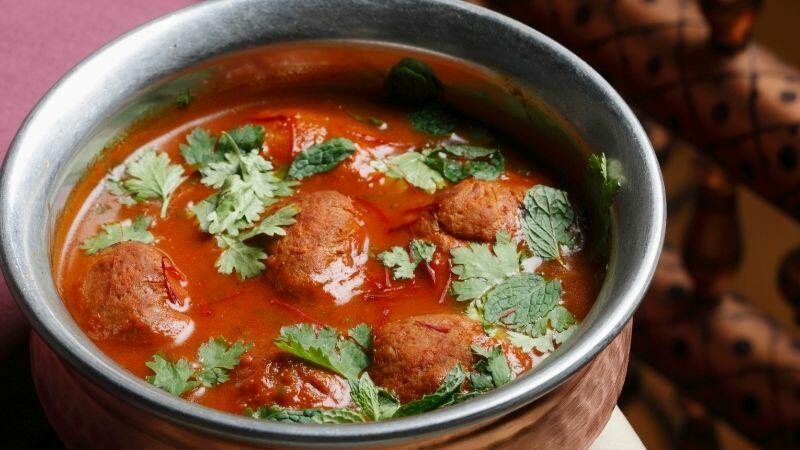
Rista is a dish of Albanian origin popular in many Balkan countries. It is made with lamb, peppers, and tomatoes.
The lamb is marinated with vinegar, salt, and pepper. Then, it is grilled or roasted. The peppers and tomatoes are cooked in a pan until they are soft.
Rocoto Relleno

Rocoto Relleno is a dish of Peruvian origin that is popular in many Latin American countries. It is made with rocoto peppers, cheese, eggs, and milk.
The rocoto peppers are stuffed with cheese and eggs. They are then dipped in milk and fried.
Ropa Vieja

Ropa Vieja is a dish of Cuban origin that is popular in many Latin American countries. It is made with beef, peppers, onions, and tomatoes.
The beef is cooked until it is very tender. Then, the peppers, onions, and tomatoes are added and cooked until they are soft.
Spicy Foods That Start With S
Sambal

Sambal is a sauce or pastes made with chili peppers, shrimp paste, and various other ingredients. It is popular in many Southeast Asian countries.
Sambal can be used as a condiment or as an ingredient in dishes such as nasi goreng (Indonesian fried rice) and rendang (Indonesian beef stew).
Sambal is typically very spicy.
Sajji
Sajji is a dish of Pakistani origin that is popular in many Middle Eastern countries. It is made with chicken, lamb, or beef stuffed with rice, spices, and herbs.
The meat roasted on a skewer over an open flame.
Saliva chicken

Saliva chicken is a dish of Chinese origin that is popular in many Southeast Asian countries. It is made with chicken, rice wine, ginger, and green onion.
The chicken is marinated in rice wine, ginger, and green onion for several hours. Then, it is cooked over low heat until the meat is tender and the sauce thickens.
Salsa Verde

Salsa verde is a sauce made with tomatillos, chili peppers, and various other ingredients. It is popular in many Latin American countries.
Salsa verde can be used as a condiment or ingredient in dishes such as enchiladas and huevos rancheros.
Sarupe Kurdish
Sarupe is a dish of Kurdish origin that is popular in many Middle Eastern countries. It is made with lamb, rice, and spices.
The lamb and rice are cooked together in a pot until the lamb is tender and the rice is fluffy. Then, the spices are added and cooked for a few more minutes.
Satay

Satay is a dish of Indonesian origin that is popular in many Southeast Asian countries. It is made with chicken, lamb, or beef that is marinated in spices and then grilled on a skewer over an open flame.
Satay is served with peanut sauce for dipping.
Seekh Kabab
Seekh kabab is a dish of Pakistani origin that is popular in many Middle Eastern countries. It is made with lamb, beef, or chicken that is minced and mixed with spices.
The mixture is then shaped into long, thin cylinders and grilled on a skewer over an open flame.
Sichuan Boiled Beef

Sichuan boiled beef is a dish of Chinese origin that is popular in many Southeast Asian countries. It is made with beef, chili peppers, Sichuan peppercorns, and various other ingredients.
The beef is cooked in a broth with chili peppers, Sichuan peppercorns, and other spices. Once the beef is cooked, it is served in the broth.
Sichuan boiled beef is typically very spicy.
Sichuan hot pot

Sichuan hot pot is a dish of Chinese origin that is popular in many Southeast Asian countries. It is made with a broth that is heated at the table, and various ingredients are added to the broth to cook.
The most common ingredients in Sichuan hot pot are beef, lamb, chicken, fish, tofu, and vegetables.
Sik Sik Wat

Sik Sik Wat is a dish of Ethiopian origin that is popular in many African countries. It is made with beef, berbere (a
The beef is cooked in a stew with berbere and other spices. Once the beef cooked, it is served with the sauce.
Shiro Wat

Shiro Wat, also known as Shuro or Shiro Wot, is a classic Ethiopian dish that forms the centerpiece of any vegetarian platter. This thick stew is made from slow-simmered chickpeas, steeped in a flavorful blend of spices like cloves, chili, and beso bela (Ethiopian holy basil).
Its creamy texture is rich and velvety thanks to the addition of chickpea flour, making it halfway between a soup and a mash.
Traditionally served in an earthenware dish, Shiro Wat accompanied by injera, a sourdough flatbread made from teff flour, a staple of Ethiopian cuisine.
This unique bread pairs perfectly with the savory stew, creating a delicious combination that people have enjoyed throughout Ethiopia and Eritrea for millennia.
Shakshouka
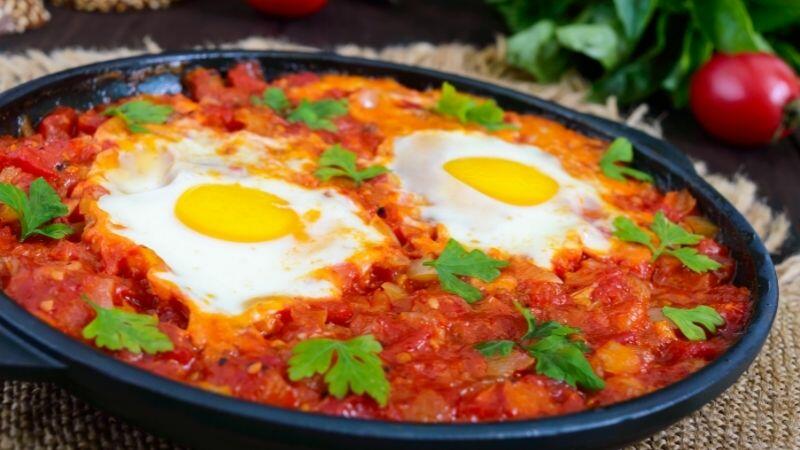
Shakshouka is a dish of Israeli origin popular in many Middle Eastern countries. It is made with eggs, tomatoes, peppers, and other ingredients.
The eggs are cooked in a stew with tomatoes, peppers, and other spices. Once the eggs are cooked, they are served in the stew.
Shurpa

Shurpa is a dish of Uzbek origin that is popular in many Central Asian countries. It is made with lamb, vegetables, and various other ingredients.
The lamb and vegetables are cooked together in a pot until the lamb is tender and the vegetables are soft. Then, the spices are added and cooked for a few more minutes.
Speca te Mbushur me Oriz

Speca te Mbushur me Oriz is a dish of Albanian origin popular in many Balkan countries. It is made with peppers, rice, and various other ingredients.
The peppers are stuffed with rice and then baked in the oven. Once they cooked, they served with the sauce.
Spicy Salami Jalapeno and Olive Pizza

Spicy Salami Jalapeno and Olive Pizza is a dish of Italian origin popular in many countries. The pizza dough is topped with salami, jalapeno peppers, olives, and other spices. Then, it is baked in the oven.
Sriracha Sauce
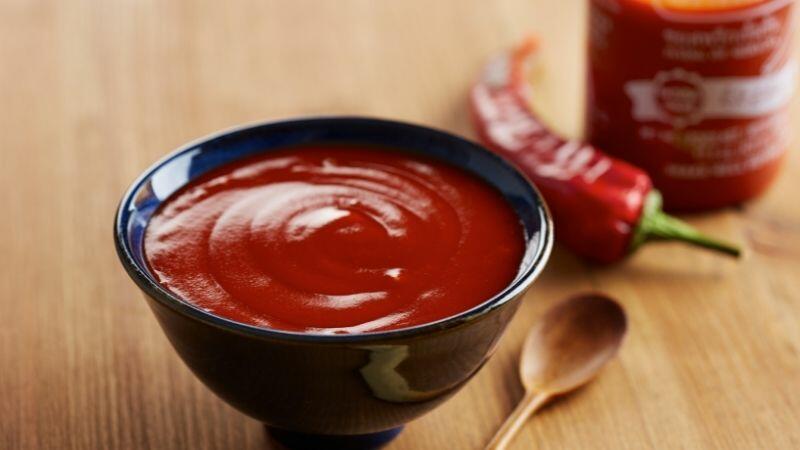
Sriracha sauce is a hot sauce of Vietnamese origin that is popular in many Southeast Asian countries. It is made with chili peppers, garlic, sugar, and other ingredients.
The sauce is typically very spicy and has a strong flavor. It is often used as a condiment or dipping sauce.
Sofrito

Sofrito is a fragrant, versatile puree made from tomatoes, peppers, cilantro, onions, and garlic. This ingredient is the secret behind many Latin Caribbean dishes like alcapurrias, and it’s easy to make at home.
To prepare sofrito, you’ll need a knife and cutting board to chop the ingredients. Then you can use a food processor or blender to blend the ingredients into a smooth puree.
There is no need to cook the elements, giving sofrito its name as a lightly fried ingredient that is added early in the cooking process.
With its rich flavor and aroma, sofrito adds depth and complexity to many dishes. It’s a great way to add bold flavor without resorting to other heavy seasonings or spices.
Som Tum

Som Tum is a dish of Thai origin that is popular in many Southeast Asian countries. It is made with green papaya, chili peppers, garlic, and various other ingredients.
Like other salads, Som Tum has many variations, but it typically combines the flavors of salt, sour, and sweet, and you can enjoy spicy at your level.
Szechuan chili chicken

Szechuan chili chicken is a dish of Chinese origin that is popular in many East Asian countries. It is made with chicken, chili peppers, and various other ingredients.
The chicken is marinated in soy sauce, rice wine, and spices. Then it is fried until crisp and tossed with a sweet and spicy sauce.
Spicy Foods That Start With T
Tantuni

Tantuni is a dish of Turkish origin that is popular in many Middle Eastern and Central Asian countries. It is made with beef, vegetables, and various other ingredients.
The beef is thinly sliced and cooked with onions, tomatoes, and spices. Then it is served wrapped in flatbread.
Taliwang Chicken

Taliwang Chicken is a dish of Indonesian origin that is popular in many Southeast Asian countries. It is made with chicken, chili peppers, and various other ingredients.
The chicken is marinated with chili peppers, garlic, and ginger. Then it is grilled or roasted until cooked through. The chicken is served with a spicy chili sauce.
Tom Laeng
Tom Laeng is a dish of Thai origin that is popular in many Southeast Asian countries. It is made with pork ribs, chili peppers, and other ingredients.
Tom Laeng is a great way to enjoy pork ribs for those who like it spicy. The soup is cooked until the pork ribs are tender. Many Thai restaurants serve Tom Laeng with many chili peppers, so be careful if you can’t handle the heat.
Tom Yum Goong

When thinking about Thai Food, Tom Yum Goong is the first menu that comes to mind. It is a dish of Thai origin that is popular in many Southeast Asian countries. It is made with shrimp, chili peppers, and various other ingredients.
Tom Yum Goong soup has a distinct flavor that comes from the use of kaffir lime leaves, lemongrass, galangal, and other ingredients. The soup is typically very spicy and has a strong flavor.
Tom Yum Goong has two differences: Tom Yum Nam Khon and Tom Yum Nam Sai. The first one has coconut milk, while the second one is without coconut milk.
Tom Yum Goong is a must-try dish if you like shrimp and spicy food. And if you are allergic to shrimp, there are alternative versions of Tom Yum soup that you can try, such as Tom Yum Kai (Chicken), Tom Yum Moo Sub (Minced Pork), etc.
Tteokbokki
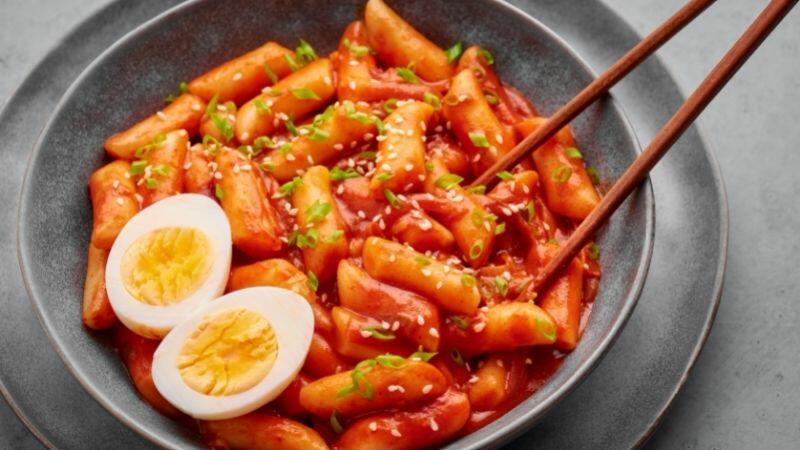
Tteokbokki is a dish of Korean origin that is popular in many East Asian countries. It is made with rice cakes, chili peppers, and other ingredients.
Tteokbokki is popular street food in Korea. The rice cakes are cooked in a spicy sauce made with gochujang (Korean chili paste) and served with vegetables and eggs.
Tteokbokki is a great way to enjoy spicy rice cakes for those who like it. The rice cakes are chewy, and the sauce is very flavorful.
Spicy Foods That Start With U
Ulava Charu
Ulava Charu is a traditional Andhra dish made from horse gram lentils. This thick, hearty soup is typically served with fresh cream or butter and served over steamed rice as a rich and flavorful entrée.
Typically served at parties and weddings, Ulava Charu is a beloved dish in homes throughout the region. With its complex flavor profile and hearty texture, this unique rasam has earned its place as a culinary delicacy.
Spicy Foods That Start With V
Vaca Atolada

Vaca Atolada is a dish of Venezuelan origin that is popular in many South American countries. It is made with beef, chili peppers, and other ingredients.
The beef is cooked in a stew with chili peppers, onions, and garlic. Then it is served with white rice and black beans.
Vindaloo
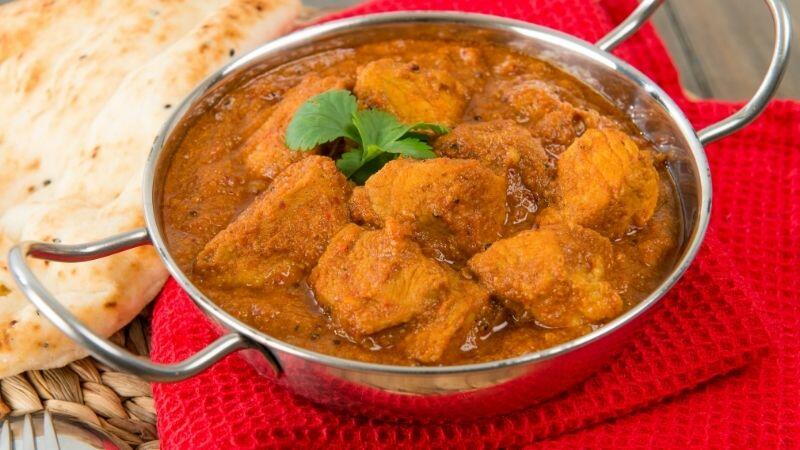
Vindaloo is a dish of Indian origin popular in many South Asian countries. It is made with pork, chili peppers, and other ingredients.
Vindaloo is typically very spicy and has a strong flavor. The pork is marinated in vinegar, chili peppers, and spices. Then it is cooked in a stew with potatoes.
Spicy Foods That Start With W
Wasabi
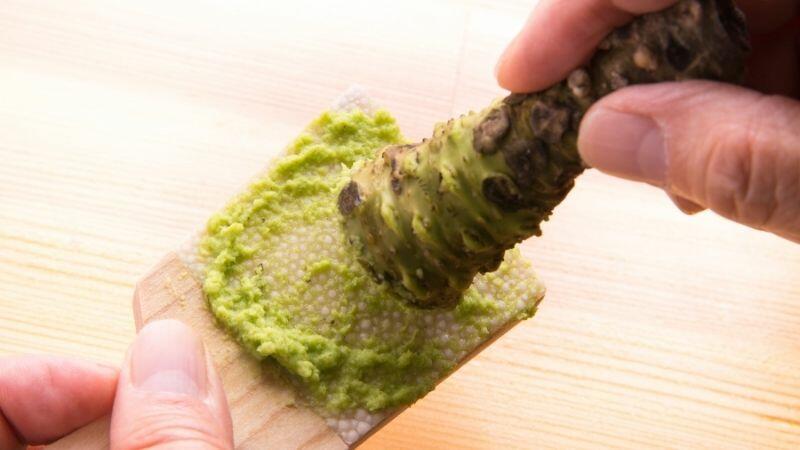
Wasabi is a plant of the mustard family that is established in Japanese cuisine. It is used as a
Wasabi is used as a condiment for sushi and sashimi. It is also used in various sauces and dressings.
Spicy Foods That Start With X
Xacuti

Xacuti is a dish of Indian origin that is popular in many South Asian countries. It is made with chicken, chili peppers, and other ingredients.
The chicken is cooked in a stew with chili peppers, coconut milk, and spices. Then it is served with rice.
Spicy Foods That Start With Y
Yangnyeom Chicken

Known as a popular Korean fried chicken variety, Yangnyeom Chicken is seasoned with a sweet and spicy gochujang-based sauce and other spices like sugar and garlic.
Traditionally eaten while drinking or as an “anju” dish, this dish is extremely flavorful and has become a popular choice among diners of all ages.
Due to its delicious taste and texture, Yangnyeom Chicken has gained widespread popularity in Korea and around the world and can be found at many different restaurants and food stalls.
Yukgaejang

Yukgaejang is a Korean soup with shredded beef, vegetables, and gochujang (red chili pepper paste). It is hearty, filling, and very spicy.
The spiciness comes from the gochujang, which gives the soup a deep red color. Yukgaejang is typically served with a bowl of rice and a side of kimchi.
Yunnan Noodles

Yunnan noodles are a type of Chinese noodle that is made with wheat flour and egg. The noodles are thin and chewy, typically served in a clear soup with vegetables and meat.
The soup is usually not very spicy, but the Yunnan noodles themselves can be pretty spicy due to the chili oil used for cooking them.
Spicy Foods That Start With Z
Zhug

Zhug is a Yemenite hot sauce made with chili peppers, cilantro, and other spices. It is typically used as a condiment for stews, soups, and grilled meats.
Zhug is very spicy and has a strong flavor. It is traditionally eaten with a flatbread called lahoh.
And that is our list of spicy food from around the world! We hope you enjoyed reading and are now Inspired to try some of these dishes. Remember, when in doubt, always ask your server how spicy the dish is before ordering. Happy eating!