How many poblano peppers are in a pound depends on size, but you’ll typically get three to five peppers per pound. That variance matters when you’re scaling a recipe for stuffed peppers or calculating how much to buy for a dinner party. This guide breaks down exact weights, size categories, and the practical conversions that make grocery shopping and cooking easier.
I stood in the produce aisle last week, poblanos in hand, trying to figure out if four peppers would be enough for eight chiles rellenos. The scale said 1.1 pounds. I bought two more anyway.
The Quick Answer: Poblano Peppers Per Pound
Three to five poblano peppers weigh approximately one pound, with four being the safest estimate for most shopping trips. Individual peppers range from 3 to 6 ounces depending on size, which explains the wide count range.
| Recipe Amount | Peppers Needed | Total Weight |
|---|---|---|
| 1 pound | 3-5 peppers | 16 oz |
| 2 pounds | 6-10 peppers | 32 oz |
| Single serving | 1-2 peppers | 6-12 oz |
| Family meal (4-6 servings) | 4-6 peppers | ~1.5 lbs |
Produce managers recommend counting on four peppers per pound as your baseline. This accounts for natural size variation and ensures you won’t run short mid-recipe. When in doubt, grab an extra pepper. They keep well and work in everything from eggs to tacos.
Understanding Poblano Pepper Sizes and Weights
Poblano peppers fall into three distinct size categories, and knowing which you’re buying changes your pepper count significantly. Grocery stores rarely label size, so visual estimation becomes your best tool.
Small Poblanos (2-3 oz)
Small poblanos measure roughly 4 inches long and weigh between 2-3 ounces each. You’ll need 5-6 of these to hit one pound. They’re perfect for slicing into strips for fajitas but too small for traditional stuffing.
Medium Poblanos (3-4 oz)
Medium-sized peppers hit the 4-5 inch range and weigh 3-4 ounces individually. This is the most common size in grocery stores, requiring 4-5 peppers per pound. Their walls are thick enough for stuffing while still being manageable in a standard baking dish.
Large Poblanos (5-6 oz)
Large poblanos stretch 5-6 inches and weigh 5-6 ounces each. Only 2-3 of these fill a pound. These are ideal for chiles rellenos because they hold more filling and present beautifully on the plate.
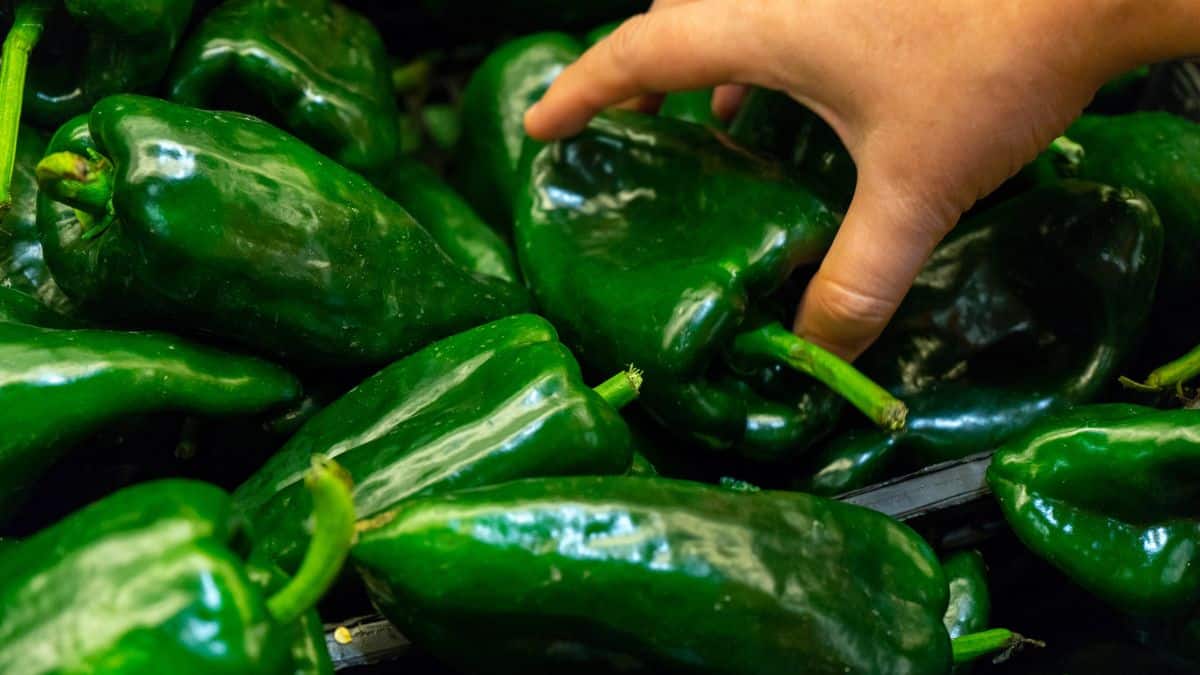
Dark green color indicates a mature pepper ready for harvest. Look for glossy skin without wrinkles. A pepper that feels heavy for its size contains more moisture and flesh. Lighter-feeling peppers often have thinner walls and less usable interior space.
Poblano Weight Conversion Chart for Recipes
Converting between whole peppers, pounds, and cups requires understanding how poblanos break down during prep. A whole pepper looks substantial, but roasting and seeding removes significant mass.
Common Recipe Conversions
| Measurement | Conversion | Notes |
|---|---|---|
| 1 medium pepper | ~45g / 1.6 oz | Before cleaning |
| 1 cup chopped | ~125g / 4.2 oz | About 2 medium peppers |
| 1/2 cup diced | ~75g | About 1 medium pepper |
| 1 pound fresh | 3-5 whole peppers | Depends on size |
| 1 pound roasted | ~10-11 oz usable | After peeling and seeding |
Bulk Cooking Measurements
Scaling up for meal prep or large gatherings requires accounting for prep loss. Fresh poblanos lose 30-40% of their weight after roasting, peeling, and seeding.
| Starting Amount | Peppers (approx) | Usable Roasted Weight |
|---|---|---|
| 1 pound fresh | 3-5 peppers | 9-11 oz |
| 5 lbs of poblano | 15-25 peppers | 3-3.5 lbs |
| 10 lbs fresh | 30-50 peppers | 6-7 lbs |
Buy 25% more than your recipe’s roasted weight requirement. A dish calling for two pounds of roasted poblanos needs nearly three pounds fresh from the store. Mixed Kreations confirms this ratio holds across different pepper sizes.
Why Poblano Pepper Size Varies
Two poblanos from the same grocery bin often differ by an ounce or more. This isn’t random. Growing conditions, harvest timing, and origin all influence final pepper size.
Growing Conditions
Soil quality drives pepper size more than any other factor. Nitrogen-rich, well-draining soil produces larger fruit. Consistent watering of 1-2 inches weekly prevents growth-limiting stress. Poblanos need 6-8 hours of full sun daily to reach their maximum potential dimensions.
Water stress creates smaller but often hotter peppers. A drought-stressed plant concentrates capsaicin as a defense mechanism. You might prefer this for salsas but not for stuffing.
Harvest Timing
Peppers picked earlier stay smaller. Growers balance size against quantity. Letting peppers mature longer increases individual size but reduces total harvest volume. University of Georgia research shows fall-harvested poblanos often grow larger than spring crops due to cooler temperatures and consistent moisture.
Regional Differences
Mexican-grown poblanos show more consistent sizing than domestic varieties. This comes from generations of cultivation knowledge and ideal growing climates. Locally sourced peppers from farmers markets vary more in size but often taste better due to shorter time between harvest and sale.
Seasonal availability peaks in late summer through early fall. During this window, you’ll find the largest selection and most consistent sizing. Winter poblanos are almost exclusively imported and tend toward medium sizes.
How to Choose and Buy Poblano Peppers by Weight
Selecting quality poblanos takes seconds once you know what to look for. The difference between a good pepper and a disappointing one is visible and tactile.
What to Look For at the Store
Fresh poblano peppers should feel firm with glossy, unwrinkled skin. The stem should be green and fresh-looking, not brown or dried. Soft spots signal decay starting underneath. Heavy peppers contain more flesh.
- Firmness: Press gently. The pepper should resist without feeling rock-hard
- Color: Deep, consistent green without yellowing or pale patches
- Skin: Shiny and smooth, no wrinkles or blemishes
- Weight: Should feel substantial when you hold it
- Stem: Green and pliable, not dried or black
Buying in Bulk
Weight-based pricing typically runs $1.49-$4.99 per pound depending on your store and region. Budget stores like El Rancho and Cardenas Markets price around $1.50-$1.79 per pound. Premium grocers charge $4.00+ per pound.
| Store Type | Price Range/lb | Best For |
|---|---|---|
| Discount grocers | $1.49-$1.79 | Large batches, meal prep |
| Standard supermarkets | $3.19-$3.99 | Regular shopping |
| Premium markets | $4.29-$4.99 | Consistent quality |
| Costco (5 lb bag) | ~$1.80/lb | Bulk buying |
16 oz bag poblano peppers offer convenience but limit your ability to inspect individual peppers. Loose peppers let you choose exactly what you want. For same-day recipes, loose wins. For meal prep over several days, bagged works fine.
Same-day delivery options from Instacart, Costco, and major grocery chains make bulk buying easier. Check local availability before planning a large cooking project. Costco Business Center offers 5-pound bags at significant savings.
Popular Recipes and Poblano Quantities Needed
Knowing pepper counts for classic dishes eliminates guesswork. Each recipe treats poblanos differently, affecting how many you need.
Chile Rellenos
Classic stuffed peppers require one large poblano per serving. For four people, buy 4-6 peppers to account for any that tear during roasting. The mild heat and rich flavor of poblanos makes them the traditional choice. Jalapeños are too small and too hot. Bell peppers lack depth.
Rajas con Crema
This creamy pepper strip dish uses 4-6 poblanos for 4-6 servings. Roast, peel, and slice into strips. The peppers cook down significantly in the cream sauce. Don’t skimp on quantity here.
Poblano Cream Soup
Blend 4-6 roasted poblanos with broth and cream for a rich soup serving 4-6 people. The earthy, slightly smoky flavor intensifies when pureed. Add an extra pepper if you want pronounced pepper flavor rather than subtle background notes.
Poblanos work across cuisines beyond Mexican or Tex-Mex dishes. Dice them into cornbread, stuff them with Italian sausage, or blend into hummus. Their versatile nature comes from that perfect balance of flavor and manageable heat at only 1,000-2,000 Scoville units.
Storing and Preserving Poblano Peppers
Buying in bulk saves money only if your peppers don’t spoil. Proper storage extends usability from days to months.
Refrigerator Storage
Fresh poblanos last 1-2 weeks in the refrigerator. Store them in a perforated plastic bag in the crisper drawer. The perforations prevent moisture buildup that accelerates rot. Don’t wash until ready to use. Moisture on the skin shortens shelf life.
Freezing Methods
Freezing preserves poblanos for 6-12 months. Roast and peel first for best texture after thawing. Lay peeled peppers flat on a baking sheet, freeze until solid, then transfer to airtight bags. This prevents them from freezing into an unusable clump.
Raw freezing works but changes the texture significantly. Frozen-raw poblanos turn mushy when thawed. Only use this method if you’re planning to blend them into sauces or soups where texture doesn’t matter.
Drying into Ancho Chiles
Fully ripened red poblanos become ancho chiles when dried. The weight conversion runs approximately 5:1, meaning five pounds of fresh peppers yield one pound of dried anchos.
Sun-dry, oven-dry at 150°F for 8-12 hours, or use a dehydrator. Properly dried anchos store for 1-2 years in airtight containers. They rehydrate beautifully for mole sauces and enchilada sauces.
Chile Mulato is ancho’s darker cousin, made from a specific poblano variety that turns nearly black when ripe. Same drying process, sweeter and smokier result. If you see dark-skinned poblanos at the market, grab them for mulatos. PepperGeek provides detailed preservation methods for both varieties.
FAQ
How do I know if a poblano pepper is ripe?
Ripe poblanos turn from dark green to deep red. Most recipes call for green poblanos, which are mature but not fully ripe. Green peppers have earthier flavor while red ones taste sweeter.
Are poblano peppers hot?
Poblanos rank 1,000-2,000 Scoville Heat Units, making them mild compared to jalapeños at 8,000 SHU. Most people find them pleasantly warm without being uncomfortable. Occasional peppers run hotter, so taste a small piece first.
What can I substitute for poblano peppers?
Anaheim peppers work as the closest substitute with similar size and mild heat. Bell peppers provide the shape for stuffing but lack any heat. Cubanelle peppers offer comparable thickness and subtle warmth.
Why are my poblanos different sizes in the same package?
Grocers package by weight, not count. A one-pound package might contain three large or five small peppers. This is normal and reflects natural growing variation. Check packages for the pepper count you prefer.
How many poblanos do I need for stuffed peppers for 8 people?
Plan on 8-10 poblanos for eight servings. Buy extra because some peppers tear during roasting or have thin walls unsuitable for stuffing. Leftover roasted poblanos freeze well for future use.
Do poblano peppers need to be roasted before eating?
Roasting isn’t required but improves flavor and removes the tough skin. Raw poblanos work in fresh salsas and salads. Roasting brings out smoky sweetness and makes them easier to digest.
What’s the difference between poblano and pasilla peppers?
Fresh poblanos become dried ancho chiles. Pasilla refers to a different dried pepper, the chilaca. Some regions mislabel dried poblanos as pasillas. True pasillas are longer and thinner with different flavor profiles.
How long do roasted poblanos last in the refrigerator?
Roasted, peeled poblanos keep 4-5 days refrigerated in an airtight container. Cover them with a light layer of olive oil to extend freshness. For longer storage, freeze immediately after roasting.