Standing at the grocery store with a recipe calling for “one pound of peppers” feels like a guessing game when you’re staring at bins of different sizes. How many peppers in a pound depends entirely on variety, with counts ranging from 2 large bell peppers to over 70 tiny Thai chilies. This guide gives you exact counts for every common pepper type, plus the conversion charts that’ll make your next shopping trip effortless.
I learned this the hard way last summer, hauling home what I thought was enough jalapeños for three batches of salsa. Turns out I’d grabbed barely half what I needed. That’s when I started weighing everything.
Quick Reference: How Many Peppers in a Pound by Type
The number of peppers per pound varies dramatically based on variety. Small hot peppers pack 50 or more into a pound, while large bell peppers rarely exceed three.
| Pepper Variety | Peppers Per Pound | Weight Per Pepper | Best Uses |
|---|---|---|---|
| Bell Pepper (large) | 2-3 | 5-8 oz | Stuffing, salads |
| Bell Pepper (medium) | 3-4 | 4-5 oz | General cooking |
| Jalapeño | 12-15 | 0.5-1.5 oz | Salsa, pickling |
| Habanero | 40-50 | 0.3-0.5 oz | Hot sauce, marinades |
| Anaheim | 6-8 | 2-3 oz | Roasting, stuffing |
| Shishito | 35-45 | 0.35-0.5 oz | Blistering, appetizers |
| Serrano | 25-35 | 0.4-0.6 oz | Pico de gallo, sauces |
| Thai Chili | 70-100 | 0.15-0.25 oz | Stir-fry, curry |
| Poblano | 4-6 | 3-4 oz | Chile rellenos |
| Cayenne | 20-30 | 0.5-0.8 oz | Drying, hot sauce |
Growing conditions, season, and even your specific grocery store affect these numbers. Farmers market peppers often run smaller than commercial ones, so buy a few extra if you’re shopping local. Colorado State University Food Source Information confirms that cultivar selection and climate create significant weight variations within the same variety.
How Many Bell Peppers in a Pound
Expect 2-3 medium bell peppers per pound, with larger specimens tipping the scales at nearly half a pound each. This makes bell peppers one of the easiest varieties to estimate at the store.
Green Bell Peppers
Green bell peppers average 6-7 ounces each, putting three medium peppers right at one pound. These are actually unripe peppers harvested early, which explains their slightly lighter weight compared to colored varieties.
- Most consistent size at grocery stores
- Crunchier texture, slightly bitter flavor
- Best for cooking where color doesn’t matter
- Typically the least expensive option
Red Bell Peppers
Red bell peppers weigh slightly more due to higher sugar and water content from full ripening. You’ll typically need only 2-3 peppers to hit one pound.
The extra ripening time means more nutrients too. Red bells contain nearly twice the vitamin C of green peppers and significantly more beta-carotene. That extra weight translates to sweeter flesh and softer texture.
Yellow and Orange Bell Peppers
Yellow and orange bell peppers fall between green and red in both ripeness and weight. Plan on 2-3 medium peppers per pound, identical to red varieties.
These mid-ripeness peppers offer a balance of sweetness without the full softness of red bells. They’re perfect when you want visual variety but need peppers that’ll hold up to cooking.
Chopped Bell Pepper Measurements
One pound of bell peppers yields approximately 3 cups chopped, making kitchen math straightforward. A single medium pepper produces about one cup of chopped pieces.
| Preparation | Yield Per Pound | Yield Per Pepper |
|---|---|---|
| Chopped | 3 cups | 1 cup |
| Sliced | 3.5 cups | 1.2 cups |
| Diced | 2.75 cups | 0.9 cups |
| Rings | 2.5 cups | 0.8 cups |
The chopping method affects volume because of air gaps between pieces. Sliced peppers pile loosely, while diced pieces pack more densely. HowMuchIsIn.com provides detailed conversion data confirming these yields.
How Many Jalapenos in a Pound
A pound of jalapenos contains 12-15 medium peppers, though this count swings widely based on size. Store-bought jalapeños tend toward uniformity, while homegrown specimens vary from thumb-sized to massive.
Fresh Jalapeno Counts
Fresh jalapeños at the grocery store typically weigh 0.5-1 ounce each, with medium specimens averaging around 0.75 ounces. This puts the per-pound count between 16-32 peppers depending on the batch.
- Small jalapeños: 25-30 per pound
- Medium jalapeños: 12-15 per pound
- Large jalapeños: 8-10 per pound
The heat level doesn’t correlate with size. Smaller peppers aren’t necessarily hotter, despite the common myth. Growing conditions and plant stress affect capsaicin levels far more than pepper dimensions.
Jalapeno Size Variations
Homegrown jalapeños frequently run larger than commercial ones, sometimes reaching 40 grams each. Commercial growers harvest at specific sizes for consistency, while backyard gardeners often let peppers grow bigger.
Store-bought peppers pass through sorting equipment that removes outliers. This explains why supermarket jalapeños look nearly identical while farmers market bins show dramatic size differences. Colorado State University notes that individual jalapeño weights range from 5 to 40 grams.
Chopped and Sliced Measurements
One pound of jalapeños produces approximately 4 cups sliced or 2.5 cups diced. A single medium jalapeño yields about 2 tablespoons chopped.
For recipes calling for sliced jalapeños, the ring thickness matters. Thin slices give you more pieces per pepper but cook faster. Thick rounds hold up better for pickling and add visual impact to nachos.
Remember that seeds and membranes contain most of the heat. Removing them drops the spice level significantly while barely affecting your yield measurements.
How Many Habaneros in a Pound
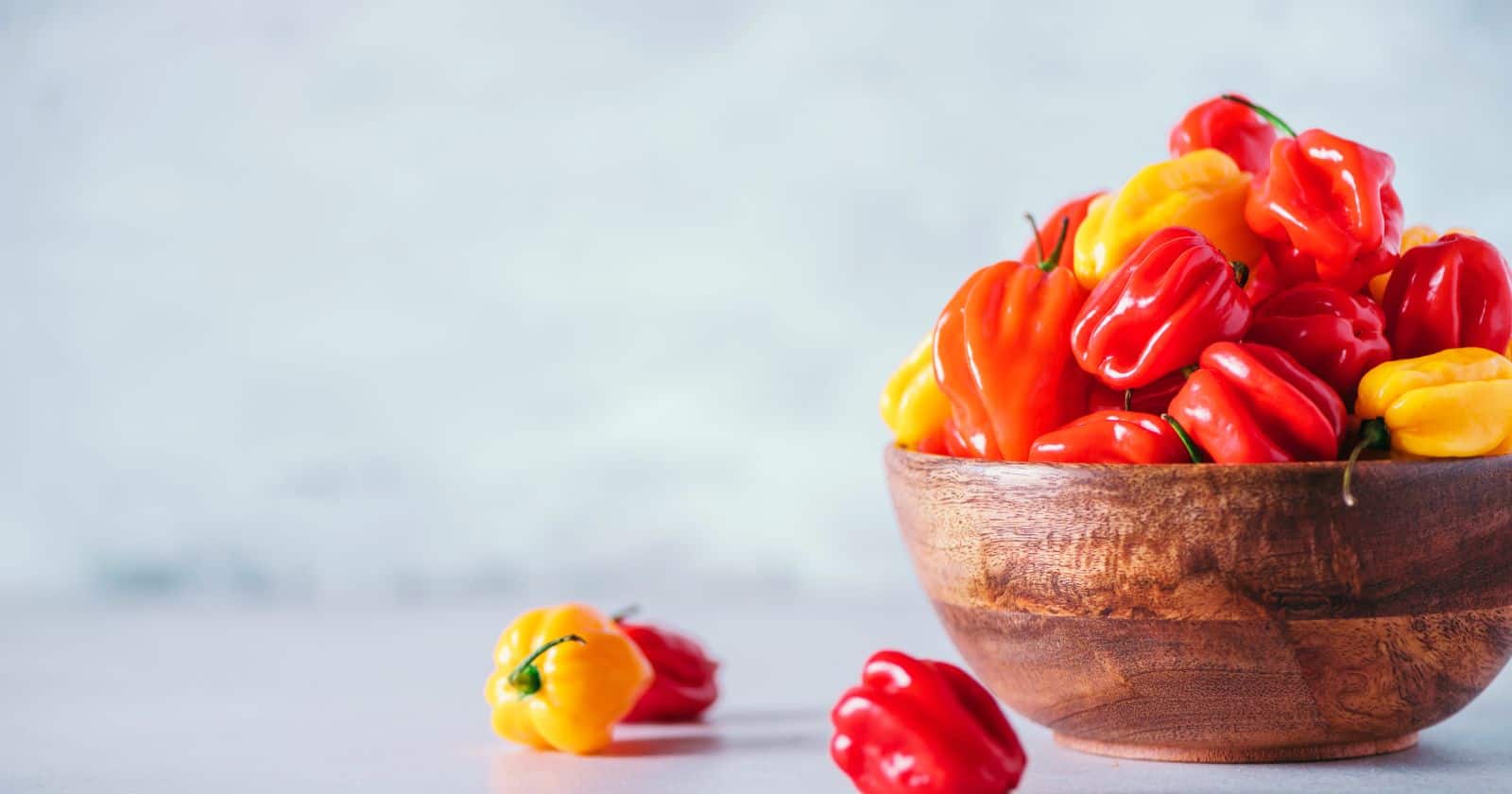
Roughly 40-50 habaneros make up a pound, with individual peppers weighing a mere 0.3-0.5 ounces each. These small lantern-shaped peppers pack serious heat into a tiny package.
Fresh Habanero Measurements
Fresh habaneros run smaller than most people expect. Each pepper measures 1-2.5 inches long and 1-2 inches wide, with that distinctive wrinkled, bulbous shape.
| Size Category | Weight | Count Per Pound |
|---|---|---|
| Small | 0.25-0.35 oz | 45-60 |
| Medium | 0.35-0.45 oz | 35-45 |
| Large | 0.45-0.55 oz | 28-35 |
Handle habaneros with gloves. The capsaicin that makes them hot persists on skin for hours, and touching your eyes or face after handling creates serious discomfort. Wash cutting boards and knives immediately after use.
Dried vs Fresh Weight Differences
Dried habaneros weigh roughly 10% of their fresh weight due to water loss. A pound of fresh habaneros shrinks to about 1.5-2 ounces dried.
This concentration intensifies both heat and flavor. Dried habaneros deliver a smokier, more complex taste alongside their substantial 100,000-350,000 Scoville Heat Units. For comparison, jalapeños register 2,500-8,000 SHU.
When substituting dried for fresh, use about one dried habanero for every five fresh ones. The heat concentrates, but the flavor changes enough that equal weights produce different results. ChiliPepperMadness provides detailed habanero weight and heat information.
How Many Anaheim Peppers in a Pound
Six to eight Anaheim peppers typically equal one pound, with each pepper weighing 2-3 ounces. These long, mild chiles stretch 6-10 inches, making them ideal for roasting whole or stuffing.
Anaheim peppers offer approachable heat at 500-2,500 Scoville units. They’re named after the California city where they were first commercially grown, though they originated in New Mexico.
- Perfect for: Chiles rellenos, roasting, salsas
- Similar weight to: Poblano peppers
- Heat level: Mild, about 1/10th of a jalapeño
- Peak season: Summer through early fall
The thick flesh and large cavity make Anaheims excellent stuffing peppers. Their mild heat means you get pepper flavor without overwhelming spice, perfect for family-friendly dishes.
How Many Shishito Peppers in a Pound
A pound of shishito peppers contains 35-45 individual peppers, each weighing about 0.35-0.5 ounces. These thin-skinned, wrinkled peppers have become restaurant favorites for good reason.
Shishitos offer a unique gamble. About one in ten packs unexpected heat, while the rest remain mild and slightly sweet. This Russian roulette quality makes them fun party appetizers.
| Serving Size | Pepper Count | Typical Use |
|---|---|---|
| Per person (appetizer) | 6-8 peppers | Blistered, salted |
| Small gathering (4 people) | 25-30 peppers | Shared plate |
| One pound | 35-45 peppers | Serves 4-6 |
The best preparation method involves high heat and minimal oil. Blister shishitos in a screaming hot cast iron pan until charred spots appear, then finish with flaky salt. Total cooking time runs about 3-4 minutes.
One pound serves 4-6 people as an appetizer, making quantity planning straightforward.
Other Hot Peppers: Counts Per Pound
The general rule holds true: smaller peppers mean higher counts per pound. Here’s what to expect from other popular hot varieties.
Serrano Peppers
Serrano peppers yield 25-35 per pound, with individual peppers weighing 0.4-0.6 ounces. They’re smaller than jalapeños but pack 2-5 times the heat at 10,000-23,000 Scoville units.
Serranos work best in fresh applications where their crisp texture shines. They’re the traditional choice for pico de gallo and add brightness to guacamole. Unlike jalapeños, serranos maintain their heat even when cooked.
Thai Chilies
Tiny Thai chilies pack 70-100 peppers per pound, with each weighing a mere 0.15-0.25 ounces. Their small size belies serious heat at 50,000-100,000 Scoville units.
- Essential for authentic Southeast Asian cuisine
- Heat releases quickly when bitten
- Dried Thai chilies keep indefinitely
- Red and green versions have similar heat
A single Thai chili can transform an entire dish. Start with one or two and add more gradually. The heat hits fast but doesn’t linger as long as habanero burn.
Cayenne Peppers
Cayenne peppers average 20-30 per pound, with long, slender pods weighing 0.5-0.8 ounces each. These peppers dry beautifully and form the base of most red pepper flakes.
Fresh cayennes offer a cleaner heat than dried, with grassy undertones that disappear during dehydration. At 30,000-50,000 Scoville units, they’re manageable for most spice lovers but still demand respect.
Poblano Peppers
Large poblano peppers count only 4-6 per pound, with individual peppers weighing 3-4 ounces each. These dark green, heart-shaped peppers are Mexico’s most popular for stuffing.
Poblanos must be roasted to remove their tough skin. The roasting process also deepens their flavor, adding smokiness to their mild 1,000-2,000 Scoville heat. Dried poblanos become ancho chiles, a staple in Mexican mole sauces.
The FDA sampling data on hot pepper varieties confirms these approximate counts align with agricultural standards for each variety.
Pepper Weight Conversion Charts
Understanding weight conversions helps when scaling recipes or shopping internationally. These charts cover the most useful conversions for home cooks.
Pounds to Ounces
One pound equals exactly 16 ounces. This foundation makes calculating pepper quantities straightforward once you know individual weights.
| Fraction of Pound | Ounces | Typical Use |
|---|---|---|
| 1/4 lb | 4 oz | Small recipe |
| 1/2 lb | 8 oz | Medium recipe |
| 3/4 lb | 12 oz | Large batch |
| 1 lb | 16 oz | Standard recipe |
| 2 lb | 32 oz | Canning batch |
Most recipes calling for “a handful” of peppers mean roughly 2-4 ounces. When precision matters, especially for canning, always weigh rather than count.
Metric Conversions (Grams and Kilograms)
For international recipes or precise cooking, metric measurements eliminate confusion. One pound equals 454 grams, while one kilogram equals approximately 2.2 pounds.
| Imperial | Metric | Bell Peppers | Jalapeños |
|---|---|---|---|
| 1 oz | 28g | ~1/6 pepper | ~1 pepper |
| 4 oz | 113g | ~1 pepper | 4-5 peppers |
| 8 oz | 227g | 1-2 peppers | 8-10 peppers |
| 1 lb | 454g | 2-3 peppers | 12-15 peppers |
| 1 kg | 1000g | 5-6 peppers | 26-33 peppers |
European and Asian recipes typically use grams. American recipes favor cups and pounds. Having both systems memorized saves constant calculator checks.
Cups of Chopped Peppers Per Pound
Volume measurements vary by pepper type because of different flesh densities and piece sizes. Here’s what one pound yields across common varieties.
| Pepper Type | Cups Chopped | Cups Sliced |
|---|---|---|
| Bell Pepper | 3 cups | 3.5 cups |
| Jalapeño | 2.5 cups | 4 cups |
| Habanero | 2 cups | 3 cups |
| Anaheim | 2.5 cups | 3 cups |
| Poblano | 2.5 cups | 3 cups |
These yields assume standard chopping with seeds removed. Keeping seeds increases volume slightly while dramatically increasing heat in hot varieties. Traditional Oven’s conversion tool provides additional verification for these measurements.
Factors That Affect Pepper Weight
The counts in this guide represent averages. Real-world peppers vary based on several factors worth understanding.
Seasonal Variations
Peak season peppers run larger because optimal growing conditions produce maximum fruit size. Bell pepper season spans May through September in most US growing regions, with California and Florida accounting for over 82% of domestic production.
Summer peppers from local farms often weigh 10-20% more than winter imports. The extended sunlight and warm temperatures let plants direct more energy into fruit development.
Late-season peppers sometimes run smaller as plants redirect energy to seed production. If your recipe requires precise quantities, buying mid-season gives the most consistent sizing.
Growing Conditions
Temperature, water, and nutrients all affect final pepper size. According to University of Kentucky Extension, nighttime temperatures between 68-75°F produce the largest fruit.
- Water stress: Underwatered peppers stay smaller
- Nutrient availability: Proper fertilization maximizes size
- Plant load: Many peppers on one plant means smaller individual fruits
- Temperature extremes: Below 64°F or above 90°F reduces pollination
These variables explain why homegrown peppers differ so much from commercial ones. Backyard gardeners rarely maintain the precise conditions commercial growers achieve.
Store-Bought vs Farmers Market
Supermarket peppers pass through sorting and grading systems that ensure uniformity. Farmers market peppers skip this step, creating wider size variation in each purchase.
Commercial growers select varieties bred for consistent sizing. Heirloom varieties at farmers markets prioritize flavor over uniformity. Both approaches have merit, but they produce different shopping experiences.
Buy 10-15% extra when shopping at farmers markets. The size variation means your “three peppers” might not hit the target weight. This buffer prevents mid-recipe discovery that you’re short on ingredients.
Practical Applications: Using Pepper Measurements
Knowing pepper counts becomes valuable when scaling recipes, preserving harvests, or planning meals. Here’s how to apply this information practically.
Recipe Scaling
When doubling or halving recipes, weight provides more accuracy than count. A recipe calling for “4 jalapeños” assumes average-sized peppers. If yours run large, you’ll get more heat than intended.
| Recipe Calls For | By Weight | By Count (Average) |
|---|---|---|
| 1 bell pepper | 6 oz | 1 medium |
| 1 cup chopped bell | 5.3 oz | 1 medium |
| 2 jalapeños | 1.5 oz | 2 medium |
| 4 habaneros | 1.5 oz | 4 small-medium |
For hot peppers especially, starting with less and adding more beats overshooting the heat. You can always add spice but cannot remove it.
Canning and Preserving
The USDA and Ball canning guidelines specify pepper quantities by weight for food safety reasons. Proper acidity levels depend on accurate measurements.
- Pickled peppers: 1 pound fills approximately 1 pint jar
- Pepper relish: 2 pounds yields about 4 half-pint jars
- Hot sauce: 1 pound peppers plus vinegar fills 2-3 half-pint jars
- Frozen peppers: 1 pound fresh equals 1 pound frozen (no prep loss)
Never reduce vinegar or lemon juice in canning recipes to accommodate pepper quantity changes. The acid prevents botulism growth. Adjust peppers to fit the recipe, not the other way around. MSU Extension’s guide on preserving peppers provides detailed safe canning procedures.
Meal Prep Planning
Planning weekly meals with peppers requires estimating both quantity and storage life. Fresh peppers last 1-2 weeks refrigerated, with bells outlasting hot varieties.
| Meal Type | Peppers Per Serving | Weekly Prep (4 servings) |
|---|---|---|
| Stuffed bells | 1 bell pepper | 4 peppers (1.5 lb) |
| Fajitas | 1/2 bell pepper | 2 peppers (0.75 lb) |
| Salsa | 2 jalapeños | 8 jalapeños (0.5 lb) |
| Stir-fry | 1/4 bell + 1 Thai | 1 bell + 4 Thai |
Prep peppers at the week’s start by washing, seeding, and slicing. Store in airtight containers with a paper towel to absorb moisture. Pre-cut peppers last 4-5 days refrigerated.
When substituting between pepper types, match by weight rather than count. Two bell peppers don’t equal two jalapeños in any meaningful way. Adjust heat by starting with 1/4 the weight of a hotter variety and increasing to taste.
FAQ
How do I know if my peppers are average sized?
Weigh a few peppers at the store using the produce scale. If bell peppers hit 5-7 ounces each, they’re medium. Jalapeños at 0.5-1 ounce qualify as standard. Anything significantly above or below means adjusting your count.
Do pepper weights change after cooking?
Cooked peppers lose 15-25% of their weight through water evaporation. One pound of raw bell peppers yields approximately 12-13 ounces cooked. Account for this shrinkage when planning portions.
Should I weigh peppers with or without stems and seeds?
Recipes typically assume whole peppers with stems, though you’ll discard these parts. One medium bell pepper loses about 1 ounce to stem and seed removal. For precise recipes, weigh after cleaning.
How many peppers should I buy for salsa?
For a standard batch yielding 4 cups, buy 1 pound of tomatoes, 4-6 jalapeños (about 1/3 pound), and one medium onion. This ratio provides balanced heat and flavor.
Can I substitute one pepper type for another by weight?
Yes, but adjust for heat differences. One pound of habaneros equals approximately 40 times the heat of one pound of bell peppers. Start with 1/4 the weight when substituting hotter varieties and increase gradually.
Why do my grocery store peppers seem smaller than the guide suggests?
Retailers sometimes stock smaller peppers at lower price points. Check the per-pound price rather than per-pepper. Smaller peppers at the same pound price mean less value. Ask produce staff when larger shipments arrive.
How long do different peppers last after purchase?
Bell peppers refrigerate well for 1-2 weeks. Jalapeños and serranos last 2-3 weeks. Habaneros can persist 3-4 weeks due to their waxy skin. Store all peppers unwashed in the crisper drawer.
What’s the best way to measure peppers for canning?
Always use a kitchen scale for canning. Volume measurements vary too much based on how you cut peppers. The USDA canning guidelines specify weights specifically because cup measurements lack precision for food safety calculations.