How to Make Buffalo Sauce Without Hot Sauce: 5 Easy Homemade Recipes

How to make buffalo sauce without hot sauce comes down to one secret: cayenne pepper, butter, and vinegar create the exact same flavor profile as bottled hot sauce. Most commercial hot sauces are simply aged cayenne peppers blended with vinegar and salt. Skip the middleman and you get fresher taste with complete control over heat levels.

I discovered this while staring into my pantry at 4 PM on Super Bowl Sunday, realizing my Frank’s RedHot bottle was bone dry. What started as kitchen desperation became my preferred method. The homemade version tastes brighter, costs pennies per batch, and lets you dial heat from kindergarten-friendly to face-melting.

Why Make Buffalo Sauce Without Hot Sauce?

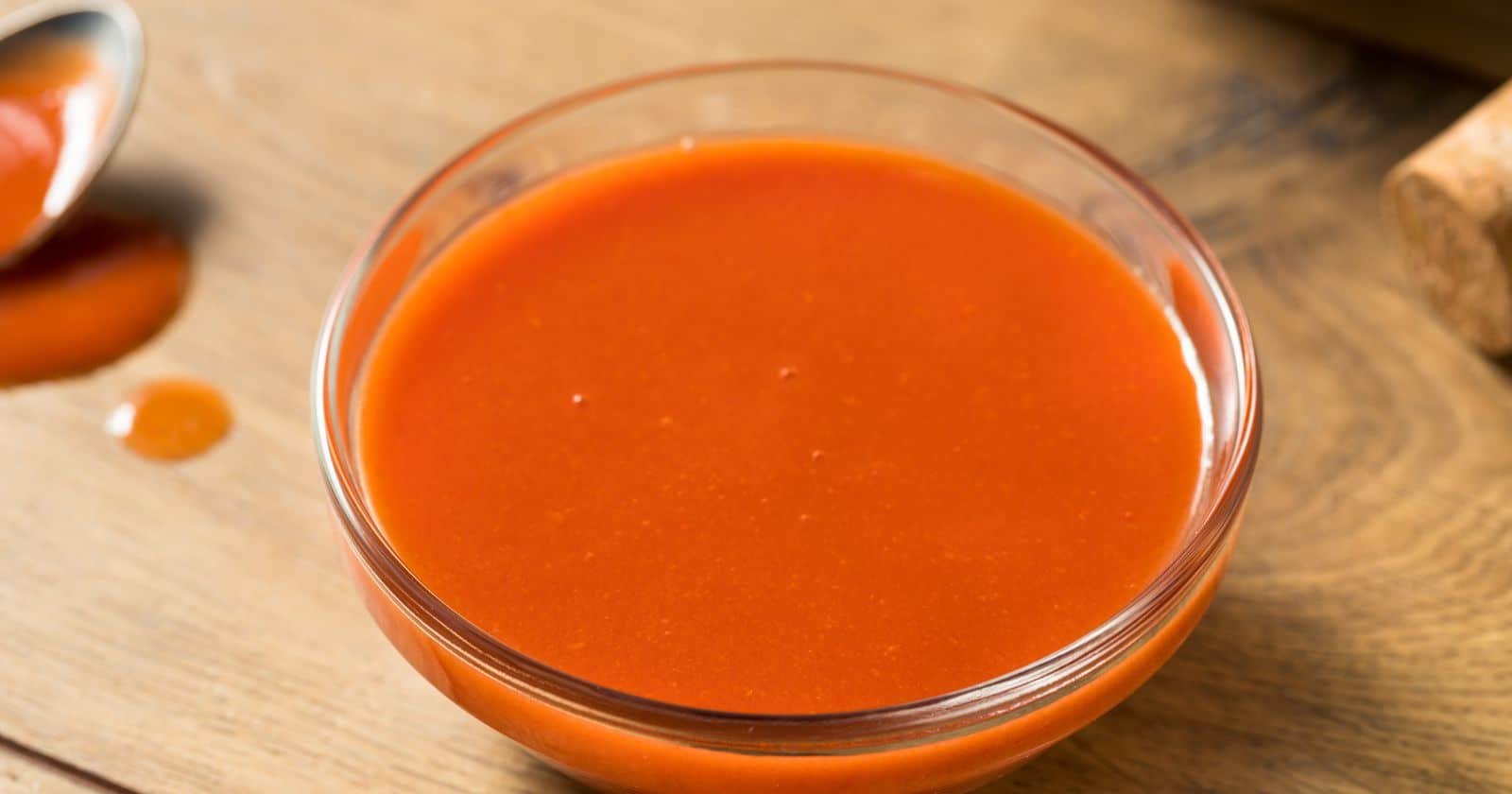
Bowl of homemade buffalo sauce made without hot sauce, showing creamy ingredients and red pepper seasoning

Skipping bottled hot sauce gives you precise control over every flavor element in your buffalo sauce. You choose the heat intensity, salt level, and tang without being locked into a manufacturer’s formula.

Control over heat and sodium: Commercial hot sauces pack significant sodium. Frank’s RedHot contains 190mg per teaspoon. Building your sauce from cayenne and spices lets you cut sodium by 60-80% while hitting your exact preferred spice level.

Fresher, brighter flavor: Bottled hot sauces sit on shelves for months. Fresh cayenne pepper and quality butter produce a more vibrant, aromatic sauce. The difference hits immediately on first taste.

Cost efficiency at scale: A bottle of Frank’s costs $4-6 and makes about 1.5 cups of buffalo sauce. The same amount from pantry staples costs under $1. For party-sized batches, savings multiply quickly.

Dietary flexibility: Many hot sauces contain preservatives, added sugars, or allergens. Starting from whole ingredients accommodates keto, Whole30, low-sodium, and other dietary needs without sacrificing authentic buffalo flavor.

The Cup of Zest recipe demonstrates how unsalted butter combined with measured cayenne provides controlled salt and spice levels impossible with bottled alternatives.

Essential Ingredients for Hot Sauce-Free Buffalo Sauce

Essential ingredients for making buffalo sauce without hot sauce including butter, vinegar, and spices

Building authentic buffalo flavor requires four core components: heat, fat, acid, and aromatics. Each ingredient serves a specific purpose in recreating the classic wing sauce profile.

The Heat Source: Cayenne Pepper and Alternatives

Cayenne pepper delivers the signature buffalo heat. Start with 2 teaspoons per 1/2 cup butter for medium heat. Reduce to 1 teaspoon for mild or increase to 4 teaspoons for serious fire.

Heat Level Cayenne Amount Scoville Range Best For
Mild 1 teaspoon 5,000-10,000 Kids, sensitive palates
Medium 2 teaspoons 15,000-25,000 Classic buffalo flavor
Hot 3 teaspoons 30,000-40,000 Spice enthusiasts
Extra Hot 4+ teaspoons 50,000+ Heat seekers only

Paprika adds depth and color without significant heat. Smoked paprika introduces a subtle complexity that elevates the sauce.

The Base: Butter vs. Dairy-Free Options

Butter creates buffalo sauce’s signature silky texture and mellows the cayenne’s sharp bite. Unsalted butter provides the cleanest flavor canvas and total sodium control.

For dairy-free versions: – Vegan butter mimics traditional texture most closely – Olive oil works but produces a thinner, sharper sauce – Coconut oil adds slight sweetness, works best refined – Avocado oil offers neutral flavor with healthy fats

Butter’s fat content cools the heat perception on your palate. This explains why dairy-free versions often taste spicier at the same cayenne levels.

The Flavor Builders: Vinegar, Garlic, and More

Distilled white vinegar provides the classic buffalo tang. Apple cider vinegar adds subtle sweetness. Use 2-3 tablespoons per 1/2 cup butter for proper acid balance.

  • Garlic powder: 1/2 teaspoon adds savory depth
  • Worcestershire sauce: 1/2 teaspoon contributes umami
  • Sugar or honey: 1/2 teaspoon balances acidity
  • Salt: Start with 1/4 teaspoon, adjust to taste

These supporting ingredients create complexity without overpowering the core butter-cayenne-vinegar trinity that defines buffalo sauce.

Classic Buffalo Sauce Recipe Without Hot Sauce

This recipe produces 1 cup of sauce in under 10 minutes. The technique ensures smooth texture and proper emulsification every time.

Ingredients List

Ingredient Amount Purpose
Unsalted butter 1/2 cup (1 stick) Base and texture
Cayenne pepper 2 teaspoons Primary heat
Paprika 1 teaspoon Color and depth
Garlic powder 1/2 teaspoon Savory notes
Sugar 1/2 teaspoon Balance
Distilled vinegar 2 tablespoons Tang and emulsification
Salt 1/4 teaspoon Seasoning

Step-by-Step Instructions

Step 1: Melt butter in a small saucepan over medium heat. Watch carefully to prevent browning.

Step 2: Add cayenne, paprika, garlic powder, and sugar to the melted butter. Whisk constantly for 2 minutes until spices become fragrant and butter absorbs their color.

Step 3: Remove from heat. Strain through a fine-mesh sieve into a heat-safe bowl. This step eliminates graininess and produces restaurant-quality smoothness.

Step 4: Slowly whisk in vinegar, adding a tablespoon at a time. Continue whisking vigorously until the sauce appears uniform and glossy.

Step 5: Add salt, taste, and adjust heat or tang as needed. Serve immediately or keep warm over lowest heat.

Total active time: 5-7 minutes. The sauce holds well at room temperature for 2 hours.

Tips for Perfect Consistency

Straining the butter mixture is non-negotiable for smooth sauce. Spice particles create an unpleasant gritty texture on the tongue.

Never boil the sauce after adding vinegar. High heat breaks the emulsion and causes the butter fat to separate into an oily mess.

Whisk while adding vinegar. Slow, steady incorporation with constant motion creates stable emulsification. Dumping vinegar in all at once risks separation.

The Domestic Fits recipe emphasizes this emulsification technique as the key difference between homemade and restaurant-quality buffalo sauce.

How to Customize Heat Levels

Adjusting spice intensity requires more than simply adding cayenne. Proper heat customization balances multiple elements for the best flavor at any spice level.

Mild Buffalo Sauce

Use 1/2 teaspoon cayenne per 1/2 cup butter. Increase paprika to 2 teaspoons to maintain color and depth without heat. Add 1 tablespoon honey to further smooth any spice edges.

This version works perfectly for kids’ wing nights or guests who want buffalo flavor without the burn.

Medium Heat Version

The standard 2 teaspoons cayenne produces classic buffalo heat. This level warms without overwhelming, allowing you to eat multiple wings comfortably.

Add 1/4 teaspoon crushed red pepper flakes for texture variation. The flakes provide small pockets of extra heat throughout the sauce.

Extra Spicy Variation

Push cayenne to 4 teaspoons or higher. Reduce or eliminate the sugar since sweetness moderates heat perception.

For maximum intensity, add: – 1/2 teaspoon crushed red pepper flakes1/4 teaspoon ground white pepperPinch of ghost pepper powder for serious heat seekers

Always taste cautiously when experimenting with high heat levels. Add small amounts, wait 30 seconds for heat to develop fully, then adjust.

The Now You’re Cooking guide recommends gradual spice increases of 1/4 teaspoon at a time to avoid over-spicing an entire batch.

Vegan and Dairy-Free Buffalo Sauce Variations

Plant-based buffalo sauce requires strategic fat substitution. The goal: maintain that characteristic creaminess and heat-mellowing quality without dairy.

Vegan butter performs closest to traditional butter. Brands like Earth Balance melt smoothly and emulsify predictably with vinegar.

Butter Substitute Texture Result Flavor Notes Best Use
Vegan butter Creamy, classic Neutral All applications
Olive oil Thinner, lighter Slight fruitiness Dressings, marinades
Coconut oil (refined) Creamy when warm Mild sweetness Wings, dips
Avocado oil Light, smooth Very neutral Health-conscious recipes

Cashew cream creates an exceptionally rich dairy-free sauce. Soak 1/2 cup raw cashews for 4 hours, blend with 1/4 cup water until smooth, then use as your fat base.

For oil-free options, blend 2 tablespoons tahini with the spices and vinegar. The sesame paste provides creaminess and healthy fats without added oils.

The Veggiekins Blog demonstrates how tahini-based buffalo sauce achieves authentic flavor while eliminating both dairy and added oils.

Achieving the Perfect Sauce Texture and Consistency

Texture separates amateur buffalo sauce from the good stuff. Understanding emulsion science prevents the most common failures.

Separation happens when fat and water components refuse to stay mixed. Causes include: – Adding vinegar too quickly – Overheating after emulsification – Letting sauce cool and reheat repeatedly – Insufficient whisking during preparation

Fix a broken sauce by removing it from heat and whisking in 1 tablespoon cold butter cut into small pieces. The fresh butter acts as an emulsifier and brings the sauce back together.

For thicker sauce, whisk 1 teaspoon cornstarch into 1 tablespoon cold water until smooth. Add this slurry to warm sauce while whisking, then heat gently until thickened.

Temperature management is critical: – Melt butter over medium heat only – Add spices off the heat or on low – Never boil after adding vinegar – Serve warm or at room temperature

The Hey Grill Hey guide emphasizes that maintaining consistent low temperatures throughout the process prevents most texture problems.

Storing and Preserving Homemade Buffalo Sauce

Proper storage extends your sauce’s life from days to months. Container choice and cooling methods matter significantly.

Refrigerator Storage

Cool sauce to room temperature within 2 hours of cooking. Transfer to glass jars with airtight lids. Avoid plastic, which absorbs odors and stains orange.

Refrigerated buffalo sauce lasts 3-4 weeks when properly sealed. The vinegar content provides natural preservation.

Before using refrigerated sauce, let it warm to room temperature or heat gently while whisking. Cold sauce will be solid and thick due to butter solidification.

Freezing for Long-Term Use

Buffalo sauce freezes well for 3-6 months. Use freezer-safe containers or silicone ice cube trays for portion control.

Leave 1/2 inch headspace in containers since the sauce expands when frozen.

Thaw overnight in the refrigerator. Reheat slowly over low heat while whisking to re-emulsify. Expect slight texture changes after freezing. Additional whisking restores smoothness.

Signs of spoilage include: – Sour or off smell beyond normal tang – Visible mold growth – Significant color changes (darkening or graying) – Unusual texture that doesn’t smooth with whisking

According to Chili Pepper Madness, the vinegar and salt in buffalo sauce provide natural antimicrobial properties that extend shelf life beyond most homemade sauces.

Scaling the Recipe for Large Batches

Party-sized batches require more than simple multiplication. Heat distribution and seasoning intensity change at larger volumes.

Batch Size Butter Cayenne Vinegar Serves
Single 1/2 cup 2 tsp 2 tbsp 2-4 lbs wings
Double 1 cup 3.5 tsp 3.5 tbsp 4-8 lbs wings
Triple 1.5 cups 5 tsp 5 tbsp 6-12 lbs wings
Party (5x) 2.5 cups 8 tsp 8 tbsp 10-20 lbs wings

Notice the ratios don’t scale linearly. Salt, cayenne, and vinegar concentrate at larger volumes. Start with 75-80% of the mathematically scaled amount, then taste and adjust.

Use a wide, heavy-bottomed pan for large batches. Surface area determines evaporation rate and reduction time. Narrow pots trap steam and create watery sauce.

Stir more frequently with bigger batches. Hot spots develop easily and burn spices stuck at the bottom.

Batch cooking tip: Make sauce in advance and refrigerate. Wings generate enough heat to warm refrigerated sauce when tossed together fresh from the fryer or oven.

Beyond Wings: Creative Ways to Use Buffalo Sauce

Buffalo sauce transforms ordinary ingredients into crave-worthy dishes. The butter-cayenne-vinegar combination works far beyond poultry.

Buffalo Chicken Dip: Mix 2 cups shredded chicken with 8 oz cream cheese, 1/2 cup ranch, 1/2 cup buffalo sauce, and 1 cup shredded cheddar. Bake at 350°F until bubbly.

Pizza drizzle: Thin sauce with additional butter and drizzle over any pizza. Works especially well on barbecue chicken or margherita styles.

Vegetarian applications: – Roasted cauliflower tossed in buffalo sauce – Crispy baked tofu cubes with buffalo coating – Buffalo chickpea lettuce wraps – Stuffed mushrooms with buffalo cream cheese

Dressings and marinades: Blend 1/4 cup buffalo sauce with 1/2 cup ranch or blue cheese dressing for salads. Marinate chicken breasts in diluted sauce for 2-4 hours before grilling.

Sandwich spread: Mix buffalo sauce with mayo at a 1:2 ratio for chicken sandwiches, wraps, or burgers.

The Whipped It Up guide showcases how this versatile sauce enhances everything from appetizers to main courses.

FAQ

How long does homemade buffalo sauce last in the refrigerator?

Properly stored in an airtight glass container, homemade buffalo sauce keeps for 3-4 weeks refrigerated. The vinegar content provides natural preservation. Always check for off odors or mold before using older sauce.

What makes my buffalo sauce separate and how do I fix it?

Separation occurs from adding vinegar too fast, overheating, or insufficient whisking. Fix it by removing from heat and whisking in 1 tablespoon cold butter cut into small pieces until the sauce comes back together.

Is homemade buffalo sauce spicier than store-bought?

Homemade sauce spice level is entirely customizable. Store-bought versions use standardized cayenne amounts. Your version lets you adjust from mild (1/2 teaspoon cayenne) to extremely hot (4+ teaspoons) based on preference.

Does buffalo sauce taste the same without Frank’s RedHot?

The flavor profile is nearly identical because Frank’s primary ingredients are cayenne pepper, vinegar, and salt. Using these same components produces authentic buffalo taste with fresher, brighter notes from quality butter.

What vinegar works best for buffalo sauce?

Distilled white vinegar provides the classic buffalo tang. Apple cider vinegar adds subtle sweetness and complexity. Rice wine vinegar creates a mellower acidity. All work well depending on your flavor preference.

How much buffalo sauce do I need per pound of wings?

Plan for approximately 1/4 cup of sauce per pound of wings for light coating, or 1/3 cup for heavily sauced wings. A standard recipe (1/2 cup butter base) adequately covers 2-4 pounds of wings.

Is cayenne pepper the only option for heat in buffalo sauce?

Cayenne delivers the most authentic buffalo flavor, but alternatives include Korean gochugaru for smokier heat, chipotle powder for earthy spice, or a blend of paprika and crushed red pepper for milder complexity.

Why strain the butter and spice mixture?

Straining removes spice particles that create gritty, unpleasant texture. This single step transforms homemade sauce from amateur to restaurant quality. The extra 30 seconds produces noticeably smoother results.

Share your love
Bill Kalkumnerd
Bill Kalkumnerd

I am Bill, I am the Owner of HappySpicyHour, a website devoted to spicy food lovers like me. Ramen and Som-tum (Papaya Salad) are two of my favorite spicy dishes. Spicy food is more than a passion for me - it's my life! For more information about this site Click

Leave a Reply

Your email address will not be published. Required fields are marked *