What to Do with Green Cayenne Peppers: 15 Delicious Uses for Your Harvest

What to do with green cayenne peppers becomes an urgent question when your garden produces faster than you anticipated. These unripe peppers pack 30,000 to 50,000 Scoville Heat Units alongside a bright, grassy flavor that their red counterparts lose during ripening. You’re about to discover how to transform every single pepper into hot sauces, pickles, salsas, and preserved goods that last up to a year.

I remember standing in my garden last August, staring at dozens of green cayennes that needed harvesting before an early frost. The plants kept producing, and I had no idea whether these unripe peppers were even worth saving. Three days of experimenting later, my refrigerator held six jars of pickles, two bottles of hot sauce, and enough frozen peppers to last through winter.

Understanding Green Cayenne Peppers

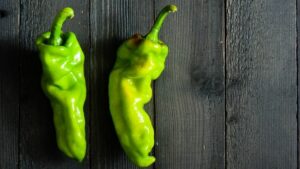
Fresh green cayenne peppers displayed showing their vibrant color and elongated shape for culinary use

Green cayenne peppers are simply cayennes picked before full maturity. They offer a fresher, more vegetal bite than red cayennes while delivering respectable heat that works beautifully in dishes where you want spice without overwhelming sweetness.

Green vs Red Cayenne: What’s the Difference?

The color difference signals more than ripeness. Green cayennes taste brighter with subtle bitter notes, while red cayennes develop fruity sweetness during their extra weeks on the plant.

Feature Green Cayenne Red Cayenne
Heat Level 30,000-50,000 SHU 30,000-50,000+ SHU
Flavor Grassy, bright, slightly bitter Sweet, fruity, complex
Vitamin C ~80mg per 100g Higher carotenoids
Best Uses Pickles, fresh salsa, stir-fries Dried powder, sweet sauces
Texture Firm, crisp Softer, more pliable

Green cayennes retain more vitamin C because less sun exposure degrades this nutrient during ripening. The heat difference between stages remains modest but noticeable. Green delivers sharper, more immediate spice while red builds gradually. Specialty Produce notes the firm texture makes green cayennes superior for pickling applications.

Heat Level and Flavor Profile

Expect immediate, sharp heat that hits the front of your tongue before fading relatively quickly. The capsaicin concentration increases as peppers ripen, so green cayennes sit at the lower end of the cayenne spectrum.

  • Flavor notes: Fresh grass, green bell pepper undertones, slight citrus brightness
  • Heat character: Quick onset, medium duration, front-of-mouth sensation
  • Texture: Crisp walls, firm flesh, satisfying crunch when fresh
  • Aroma: Vegetal, slightly earthy, less pungent than red varieties

Harvest green cayennes when they reach 2-3 inches long with glossy skin and firm flesh. Waiting for any red coloring means you’ve missed the green cayenne window. The peppers remain perfectly edible at this stage. Gardenia confirms green cayennes are ready approximately 70 days after transplanting.

Fresh Cooking Methods for Green Cayenne Peppers

Cooking fresh green cayenne peppers requires understanding how heat affects their flavor. Quick, high-temperature methods preserve brightness while longer cooking mellows the spice and brings out subtle sweetness.

Stir-Fries and Sautés

Slice green cayennes into thin rings or strips and add them during the final 3-5 minutes of cooking. Their firm texture holds up remarkably well to high heat without turning mushy.

  • Thai basil chicken: Add sliced cayennes with the basil for authentic heat
  • Pepper steak: Combine with bell peppers for layered spice levels
  • Scrambled eggs: Sauté diced cayennes in butter before adding eggs
  • Fried rice: Toss in during the last minute for fresh, bright heat

The key is medium-high heat and constant movement in the pan. Green cayennes release their heat into cooking oil, distributing spice throughout the dish. Spice Alibaba recommends this technique for building flavor without creating hot spots.

Roasting Green Cayennes

Roasting transforms green cayennes into something entirely different. The dry heat caramelizes natural sugars while mellowing the sharp bite into a deeper, more complex warmth.

Preheat your oven to 400°F (200°C). Arrange whole or halved peppers on a parchment-lined sheet. Drizzle with olive oil and roast 10-15 minutes until skins blister and char slightly. The flesh softens while maintaining structure.

Roasted green cayennes blend beautifully into sauces, soups, and dips. Their smoky-sweet character pairs wonderfully with cream cheese, goat cheese, or blended into hummus. I keep a container of roasted cayennes in my refrigerator for adding to sandwiches and grain bowls throughout the week.

Adding Raw Heat to Dishes

Raw green cayennes deliver the purest expression of their grassy, sharp flavor. Slice them paper-thin for maximum surface area and even heat distribution across your dish.

  • Pizza topping: Scatter thin rings over finished pizza
  • Tacos: Add raw slices alongside cilantro and onion
  • Sandwiches: Layer with meats and cheeses for spicy contrast
  • Salads: Dice finely and toss through green salads

The raw application works best when you want distinct pockets of heat rather than overall spiciness. Each bite containing a pepper slice delivers a punch, while bites without remain mild. This technique suits people who enjoy controlling their spice level bite by bite.

Making Hot Sauce with Green Cayenne Peppers

Homemade cayenne pepper sauce from green peppers produces a bright, tangy condiment completely different from commercial red sauces. The grassy notes create something closer to a green Tabasco with more complexity.

Simple Green Cayenne Hot Sauce Recipe

This vinegar-based recipe yields approximately 1.5 cups of shelf-stable hot sauce ready in 15 minutes.

Ingredients:
– 10 green cayenne peppers, roughly chopped (about 2 cups)
– 1/2 cup distilled white vinegar
– 1/4-1/2 teaspoon sea salt
– 2 cloves garlic (optional)
– 1 teaspoon lime juice (optional)

Process:
1. Combine all ingredients in a blender
2. Blend until completely smooth
3. Taste and adjust salt and acid levels
4. Transfer to a clean glass bottle
5. Shake well before each use

The ratio to remember: 2 cups peppers to 1/2 cup vinegar. Scale up or down as needed. This sauce keeps refrigerated for one month or longer if you pasteurize by heating to 180°F (82°C) for 10 minutes before bottling. Chili Pepper Madness notes properly pasteurized sauces last 6-12 months.

Fermented Hot Sauce Method

Fermentation creates deeper, more complex flavors while extending shelf life significantly. The process takes 5-10 days but produces a sauce with tangy depth impossible to achieve any other way.

  1. Chop 10 green cayennes and place in a clean glass jar
  2. Add 2 cloves garlic and 1 teaspoon salt per cup of water to make brine
  3. Pour brine over peppers until fully submerged
  4. Weight peppers down to keep them below the liquid surface
  5. Cover with cloth and ferment at room temperature 5-10 days
  6. Taste daily until desired tanginess develops
  7. Blend with 1/2 cup vinegar and strain if desired

Fermented sauces keep 6-12 months refrigerated because lactic acid acts as a natural preservative. The longer you ferment, the tangier and milder the heat becomes. I prefer stopping around day 7 for balanced flavor.

Flavor Variations and Add-Ins

Green cayenne hot sauce welcomes experimentation. Each addition shifts the profile in interesting directions.

Addition Amount Flavor Effect
Mango 1/2 cup Sweet, tropical brightness
Cilantro 1/4 cup Herbaceous freshness
Cumin 1/2 tsp Earthy, Mexican-style depth
Pineapple 1/2 cup Sweet-tart tropical notes
Smoked paprika 1 tsp Smoky complexity

Start with small amounts and taste as you blend. The green cayenne base accepts these additions gracefully without losing its essential character.

Pickling Green Cayenne Peppers

Pickled peppers rank among the easiest and most rewarding preservation methods. The acidic brine mellows heat slightly while adding tangy complexity that makes these peppers addictive on sandwiches, nachos, and straight from the jar.

Quick Refrigerator Pickles

This method produces ready-to-eat pickles in 24 hours with minimal effort. No special canning equipment required.

Basic Brine Recipe:
– 1 cup white wine or apple cider vinegar (5% acidity minimum)
– 1 cup water
– 1-2 teaspoons salt
– 1 teaspoon sugar (optional)

Slice peppers into rings or leave whole with two small slits to prevent bursting. Pack into clean jars. Heat brine until salt dissolves but do not boil. Pour over peppers, seal, and refrigerate.

Quick pickles keep up to 3 months in the refrigerator. The flavor improves after the first week as brine fully penetrates the pepper flesh. The Bossy Kitchen recommends waiting at least 48 hours for optimal flavor development.

Canning for Long-Term Storage

Water bath canning extends shelf life to one year at room temperature. This method requires more equipment but produces shelf-stable pickles perfect for gift-giving.

Process:
1. Pack prepared peppers into sterilized jars
2. Pour hot brine over peppers, leaving 1/2 inch headspace
3. Remove air bubbles with a clean utensil
4. Wipe jar rims and apply lids
5. Process in boiling water bath 10-15 minutes (adjust for altitude)
6. Remove and cool on a towel for 12-24 hours
7. Check seals before storing

Sliced peppers absorb brine faster than whole ones. Whole peppers maintain better texture but require those slits to release air during processing. Either approach works well depending on your intended use.

Making Salsa with Green Cayenne Peppers

Green cayenne peppers create exceptional salsa verde with more heat than traditional jalapeño versions. The bright, grassy notes complement tomatillos beautifully while adding genuine spice.

Fresh Salsa Verde

This raw preparation takes 10 minutes and showcases the pepper’s fresh character. Yields approximately 3.5-4 cups.

Ingredients:
– 1-2 pounds tomatillos, husks removed and rinsed
– 1 cup fresh green cayenne peppers, washed
– 1/2 cup chopped white onion
– 2-3 garlic cloves
– 1/2 cup fresh cilantro, coarsely chopped
– 2 tablespoons lime juice
– Salt to taste

Rough chop all ingredients and pulse in a food processor until slightly chunky. Do not over-blend. Refrigerate at least 2 hours before serving to let flavors meld. The salsa keeps one week refrigerated.

Fresh tomatillos make or break this recipe. Choose ones with loose, papery husks indicating ripeness. Old tomatillos turn bitter and ruin entire batches. Mexico in My Kitchen emphasizes this selection step above all others.

Roasted Green Cayenne Salsa

Roasting adds smoky depth and sweetness while mellowing the cayenne’s sharp heat. This version tastes more complex and pairs especially well with grilled meats.

Roast tomatillos (halved), green cayennes, onion (quartered), and garlic at 425°F for 15 minutes. Watch for slight charring on the tomatillos. Peppers and garlic finish faster. Remove them after 5 minutes if needed.

Transfer everything to a food processor and blend until smooth. Simmer the puree 10-20 minutes to concentrate flavors and reach desired consistency. Add cilantro, lime juice, salt, and pepper to taste.

For milder salsa: Remove seeds and ribs from cayennes before roasting
For hotter salsa: Keep all seeds intact or add 1-2 habaneros

Freezing and Drying Green Cayenne Peppers

Preservation extends your harvest for months beyond the growing season. Both freezing and drying work excellently with green cayennes, though each method suits different culinary applications.

How to Freeze Green Cayennes

Flash freezing prevents peppers from clumping into an unusable frozen mass. This technique takes 90 minutes total but requires only 5 minutes of actual work.

  1. Wash and thoroughly dry peppers
  2. Slice into desired shapes (rings, strips, or leave whole)
  3. Arrange in a single layer on a baking sheet
  4. Freeze for 60 minutes until solid
  5. Transfer to freezer bags, removing as much air as possible
  6. Label with date and freeze up to 12 months

Frozen green cayennes work best in cooked dishes. The freezing process breaks down cell walls, making them unsuitable for raw applications. Add them directly to soups, stir-fries, and sauces without thawing. Pepper Geek confirms vacuum sealing extends quality to a full year.

Dehydrating for Pepper Flakes and Powder

Drying concentrates flavor and heat while creating versatile seasoning options. Dehydrators produce the most consistent results, though oven drying works adequately.

Method Temperature Time Pros Cons
Dehydrator 125°F (52°C) 10-12 hours Consistent, reliable Equipment cost ($50-200)
Oven Lowest setting (<165°F) 4-8 hours No new equipment Requires monitoring
Air drying Room temperature 2-3 weeks Zero energy cost Least controlled

Test for dryness by snapping a pepper in half. It should break cleanly without bending. Any flexibility means moisture remains that could cause mold during storage.

Grind dried peppers into flakes using a food processor or into fine powder using a dedicated spice grinder. Store in airtight glass jars away from light. Homemade green cayenne flakes retain heat and flavor for 1-2 years when stored properly.

Creative Recipe Ideas for Green Cayenne Peppers

Beyond the standard preservation methods, what to make with green cayenne peppers expands into appetizers, condiments, and gifts that showcase their unique character.

Stuffed Green Cayenne Peppers

These bite-sized appetizers combine creamy filling with spicy pepper walls. Perfect for parties where you want impressive presentation with minimal effort.

Filling Recipe:
– 8 oz cream cheese, softened
– 2 tablespoons minced chives
– 1 clove garlic, minced
– 1/4 teaspoon smoked paprika
– Pinch of salt

Halve peppers lengthwise and remove seeds. Pipe or spoon filling into each half. Bake at 375°F (190°C) for 15-20 minutes until golden and bubbling.

The cream cheese fat tempers the cayenne heat while the dairy proteins coat the mouth, making these more approachable than raw peppers. Adding shredded cheddar or Monterey Jack to the filling creates an even richer result.

Green Cayenne Pepper Jelly

Sweet-spicy pepper jelly transforms green cayennes into an elegant condiment. Spread it on crackers with cream cheese, glaze pork tenderloin, or swirl into yogurt.

Base Recipe:
– 1 cup finely chopped green cayenne peppers
– 6 cups sugar
– 1.5 cups apple cider vinegar
– 1 pouch (3 oz) liquid pectin

Combine peppers, sugar, and vinegar in a large pot. Bring to a rolling boil. Add pectin and boil exactly one minute. Pour into sterilized jars and process in water bath 10 minutes.

Follow tested recipes from sources like the National Center for Home Food Preservation to ensure safe acidity levels. Improvising with jelly recipes risks spoilage or unsafe products.

Infused Oils and Vinegars

Cayenne-infused olive oil adds spicy depth to dressings, marinades, and bread dipping. Safety matters critically with infused oils because improperly made versions risk botulism.

Safe Infused Oil Method:
– Use fresh, clean peppers
– Add 1 tablespoon lemon juice or vinegar per cup of oil
– Store refrigerated and use within one week
– Alternatively, freeze infused oil for longer storage

Infused vinegar presents fewer safety concerns because the acidic environment prevents bacterial growth. Chop green cayennes, cover with white or apple cider vinegar, seal, and steep 2-4 weeks in a cool, dark place. Strain before using.

Storage Tips and Shelf Life Guide

Proper storage maximizes your investment of time and peppers. Each preservation method offers different longevity and convenience trade-offs.

Method Shelf Life Storage Location Best For
Fresh (refrigerated) 1-2 weeks Crisper drawer Immediate cooking
Frozen 6-12 months Freezer Cooked dishes
Dried 1-3 years Cool, dark pantry Seasoning, rehydrating
Quick pickled 3 months Refrigerator Sandwiches, snacking
Canned 1 year Room temperature Long-term storage
Hot sauce 1-12 months Refrigerator Condiment use

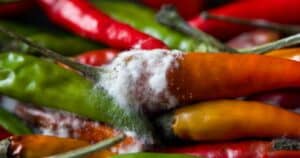
Signs of spoilage include mold (white, green, or black fuzzy spots), mushy or slimy texture, sour or fermented smell, and significant discoloration. When in doubt, discard the product.

Store fresh peppers unwashed in a paper bag inside the refrigerator crisper. The paper absorbs excess moisture while allowing airflow that prevents mold. Avoid plastic bags, which trap humidity and accelerate decay.

For dried peppers, add a food-safe desiccant packet or a few grains of uncooked rice to absorb any residual moisture. Glass containers with tight-fitting lids protect against humidity better than plastic containers.

FAQ

Do green cayenne peppers get hotter as they ripen?

Yes. Capsaicin concentration increases as peppers mature from green to red. Green cayennes measure approximately 30,000-50,000 SHU while fully ripe red cayennes can reach slightly higher levels. The difference is noticeable but not dramatic.

Are green cayenne peppers safe to eat raw?

Absolutely safe and delicious raw. Their crisp texture and bright flavor work well sliced thin on pizza, tacos, salads, and sandwiches. The heat hits immediately when eaten raw without cooking to distribute the capsaicin.

What can I substitute for green cayenne peppers?

Serrano peppers offer similar heat with a slightly different flavor profile. Green jalapeños work with about half the heat. Thai bird chiles substitute well but deliver significantly more spice. Adjust quantities based on the replacement’s heat level.

How do I reduce the burn from handling green cayenne peppers?

Always wear gloves when cutting cayennes. If you forget and experience burning, wash hands with dish soap (which cuts the oily capsaicin) or rubbing alcohol. Milk or yogurt applied to affected skin provides temporary relief.

Do green cayennes have the same nutritional benefits as red ones?

Green cayennes contain higher vitamin C levels because less degrades during the shorter growing period. Red cayennes offer more carotenoids and slightly more capsaicin. Both provide antioxidants, B vitamins, potassium, and calcium.

How long do homemade pickled green cayenne peppers last after opening?

Once opened, refrigerated pickles remain safe for 2-3 weeks. The vinegar preserves them initially, but exposure to air and utensils introduces bacteria over time. Always use clean utensils when retrieving peppers from the jar.

Can I dry green cayenne peppers in the sun?

Sun drying works in hot, dry climates with consistent temperatures above 85°F and low humidity. Most home gardeners achieve better results with dehydrators or ovens because they control temperature and protect against insects and debris.

What dishes best highlight green cayenne pepper flavor?

Fresh salsa verde, quick stir-fries, and refrigerator pickles showcase the green cayenne’s distinctive grassy brightness. Fermented hot sauce develops the most complex flavor. Cream cheese-stuffed appetizers balance heat with rich dairy perfectly.

Share your love
Bill Kalkumnerd
Bill Kalkumnerd

I am Bill, I am the Owner of HappySpicyHour, a website devoted to spicy food lovers like me. Ramen and Som-tum (Papaya Salad) are two of my favorite spicy dishes. Spicy food is more than a passion for me - it's my life! For more information about this site Click

Leave a Reply

Your email address will not be published. Required fields are marked *