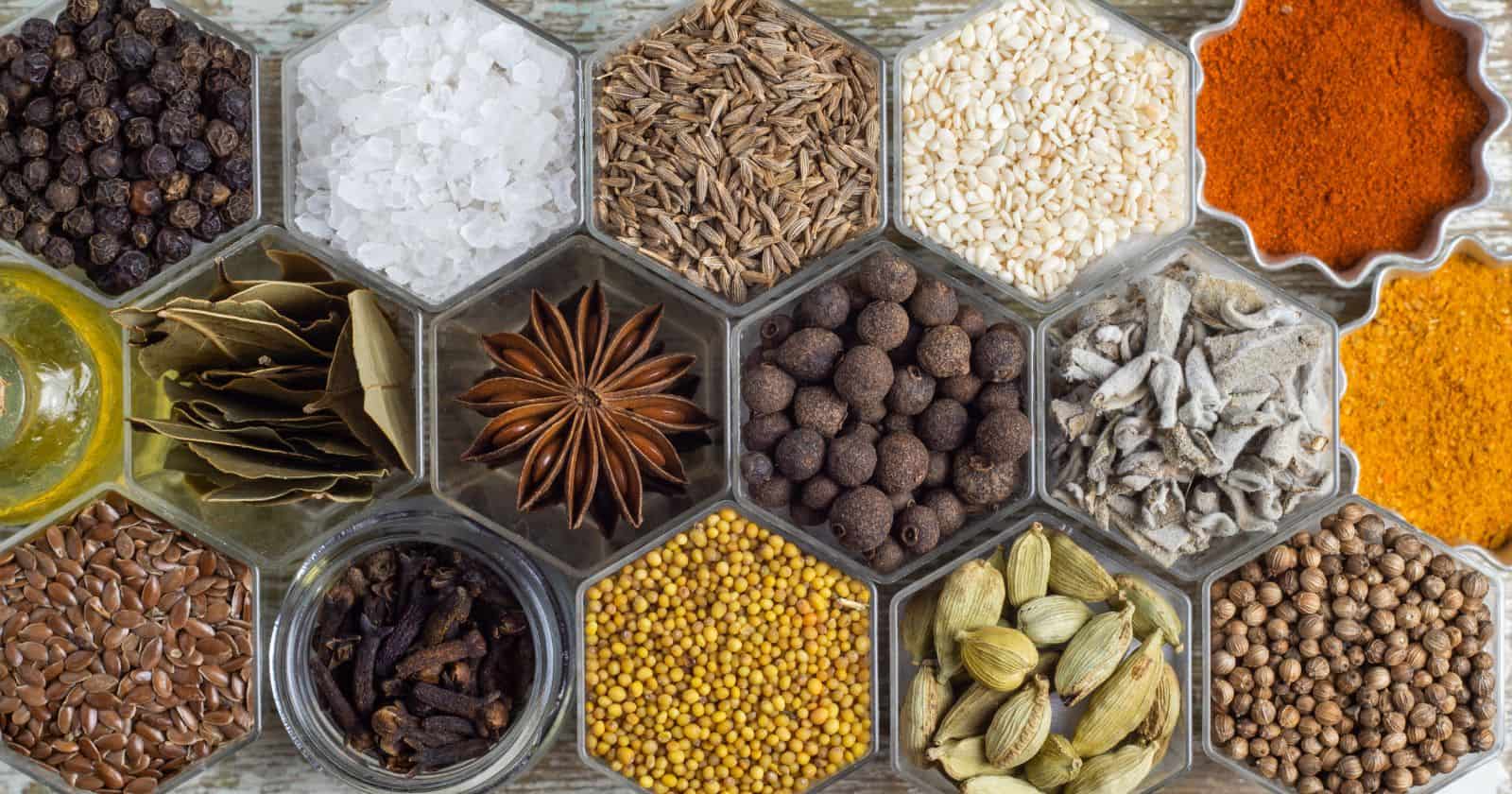
Your kitchen spice rack holds powerful tools for keeping backyard chickens healthy without synthetic supplements. Research shows bioactive compounds in common culinary spices deliver antimicrobial, antiparasitic, and immune-boosting benefits that improve growth, gut health, and egg production. This guide covers the 15 safest spices for feeding chickens, exact dosages, application methods, and seasonal strategies to transform your flock’s diet.
Why Feed Spices to Chickens? The Science Behind Natural Supplements
Culinary spices contain polyphenols, flavonoids, and essential oils that function as natural antibiotics, digestive aids, and immune modulators in poultry. These compounds work at the cellular level to neutralize pathogens, reduce inflammation, and optimize nutrient absorption. The result: healthier birds that require fewer veterinary interventions.
Antimicrobial and Antiparasitic Properties
Oregano, garlic, and cinnamon create hostile environments for harmful bacteria including E. coli, Salmonella, and Staphylococcus in the chicken gut. Thymol and carvacrol from thyme and oregano disrupt bacterial cell membranes. Garlic’s allicin compound irritates internal parasites, making your birds’ digestive tracts less hospitable to worms.
| Spice | Primary Compound | Targets |
|---|---|---|
| Oregano | Carvacrol, Thymol | E. coli, Salmonella, Coccidia |
| Garlic | Allicin | Internal parasites, bacteria |
| Cinnamon | Cinnamaldehyde | Pseudomonas, Streptococcus |
| Thyme | Thymol | Respiratory pathogens |
A meta-analysis of eight trials found that spice blends containing capsaicin, black pepper, and ginger at 250 ppm significantly improved broiler growth and antioxidant status. PMC Study
Immune System Support
Spices reduce oxidative stress by boosting enzymes like catalase, superoxide dismutase, and glutathione peroxidase in chicken blood. These antioxidants neutralize free radicals that damage cells and weaken immune response. Regular spice supplementation helps birds fight off infections before they become serious health problems.
Turmeric’s curcumin compound deserves special mention. It improves lipid metabolism, enhances gut integrity, and reduces harmful LDL cholesterol in poultry. Birds supplemented with turmeric show better resilience during stress periods like extreme weather or flock introductions.
Digestive Health Benefits
Herbs for chicken health work partly by stimulating digestive enzyme secretion. Ginger increases gut motility and reduces nausea. Fennel and dill act as carminatives, easing gas and bloating. Better digestion means better feed conversion ratios, which translates directly to improved egg production in layers and faster growth in meat birds.
The gut-egg connection matters more than most keepers realize. Healthy intestinal villi absorb more calcium, protein, and vitamins from feed. Those nutrients become stronger shells, richer yolks, and more consistent laying cycles. Spices that support gut architecture indirectly support your egg basket.
Research from The Poultry Site confirms that herbs and spices serve as sustainable alternatives to antibiotics, offering antimicrobial activity without toxicity or residue concerns. A commercial herbal blend called Poultry Herbs at 15-25 g/kg feed outperformed neomycin in body weight gain and feed intake. The Poultry Site
Top 15 Spices Safe for Feeding Chickens
Each spice brings unique benefits based on its bioactive compounds and flavor profile. Understanding these differences helps you build targeted supplement routines for your flock’s specific needs.
Oregano: The Natural Antibiotic
Oregano delivers the strongest antibacterial punch of any culinary herb, protecting against avian flu, salmonella, and coccidiosis. Its earthy, pungent flavor encourages feed consumption. Use 1-2 teaspoons dried per bird weekly, mixed into feed or offered as fresh sprigs.
Fresh oregano provides higher volatile oil content for immediate antimicrobial effects. Dried oregano concentrates these compounds and stores longer. Both work well for laying hens and meat birds seeking overall health support.
Turmeric: Anti-Inflammatory Powerhouse
Turmeric reduces joint inflammation, aids bumblefoot recovery, and supports brain function through its curcumin content. The warm, bitter-earth flavor adds vibrancy to feed without overwhelming chickens’ palates. Start with 1/4 teaspoon per bird daily.
Dried powder offers better bioavailability than fresh root, especially when combined with black pepper. The piperine in pepper increases curcumin absorption by up to 2000%. This combination particularly benefits laying hens dealing with swelling or mobility issues.
Garlic: Immune Booster and Parasite Deterrent
Garlic repels fleas, ticks, and internal worms while improving circulation and feed conversion efficiency. Its sharp, pungent flavor requires moderation to prevent egg flavor taint. Offer 1/2 fresh clove per bird, 2-3 times weekly.
Minced fresh garlic provides stronger allicin content for antiparasitic action. Dried powder works as a convenient alternative for busy keepers. Both forms support respiratory health during cold months. Avoid excessive doses, as garlic acts as a blood thinner.
Ginger: Digestive Aid
Ginger warms the digestive system, reduces nausea, and improves gut motility through its gingerol compounds. The spicy-sweet, zesty flavor appeals to most chickens. Use 1/4 teaspoon grated fresh root or dried powder per bird daily.
Fresh ginger retains more active compounds for immediate digestive relief. This spice suits meat birds focused on growth and laying hens needing consistent production support. Winter months benefit most from ginger’s warming properties.
Cinnamon: Antibacterial Properties
Cinnamon thins blood for better circulation, preventing frostbite in combs and wattles during cold weather. It treats respiratory infections and eases coughing through cinnamaldehyde’s anti-inflammatory action. Add 1/4 teaspoon dried per bird daily to feed.
The sweet-warm, woody flavor integrates easily into feed mixes. Cinnamon particularly benefits laying hens by improving blood flow to reproductive organs. Dried bark powder remains the standard choice for potency and convenience.
Cayenne Pepper: Circulation and Laying Support
Cayenne boosts circulation, enhances egg yolk color, and irritates internal parasites without bothering chickens. Birds lack capsaicin taste receptors, so they consume it freely. Add 1/4 teaspoon dried powder per bird to winter feed.
The fiery heat goes completely undetected by your flock. This spice excels for laying hens during cold months when circulation challenges emerge. Dried powder maintains heat stability better than fresh peppers.
Thyme: Respiratory Health
Thyme supports breathing through natural antiseptic properties, fighting bacteria in infection-prone flocks. Its lemony-herbal flavor freshens coops while providing immune support. Use 1 teaspoon dried or hang fresh sprigs in the coop.
Fresh thyme aids odor control through aroma. Dried thyme concentrates thymol for targeted respiratory efficacy. Both laying hens and meat birds benefit equally from regular thyme supplementation.
Rosemary: Antioxidant Rich
Rosemary provides pain relief, bacteria-fighting power, and natural insect repulsion through its antioxidant-rich essential oils. The piney, woody flavor invigorates feed while deodorizing coop spaces. Offer a handful fresh weekly or 1 teaspoon dried.
Planting rosemary around the coop provides ongoing free-choice access. Fresh sprigs maximize essential oil content for strongest effects. This herb particularly supports laying hens with respiratory concerns.
Sage: General Wellness
Sage combats salmonella and provides broad antioxidant protection through vitamin-rich leaves. Its earthy-savory flavor enhances layer feed palatability. Add 1 teaspoon dried or fresh leaves offered free-choice.
Dried sage targets disease prevention through concentrated compounds. Fresh sage offers broader nutrient profiles. Both forms benefit laying hens seeking general immune support.
Parsley: Vitamin-Rich Supplement
Parsley delivers high protein content, vitamins A, C, and K, plus iron for blood vessel development and feather growth. The fresh, bright-green flavor encourages active pecking behavior. Offer a handful fresh daily or mix dried into feed.
Fresh parsley maximizes vitamin content for laying hens. This herb functions as a laying stimulant, supporting consistent egg production. The nutrient density makes parsley valuable during molting season.
Basil: Stress Reducer
Basil calms stressed flocks through anti-inflammatory effects on mucous membranes. Its sweet-peppery, clove-like flavor suits nesting box additions. Toss fresh leaves into runs or add 1 teaspoon dried per bird to feed.
Fresh basil provides calming aromatics that reduce anxiety. This herb particularly benefits laying hens during brooding periods or flock reorganization. Nesting box additions help settle sitting hens.
Mint: Cooling and Pest Deterrent
Mint repels mites, flies, and rodents while lowering body temperature during hot weather. The refreshing menthol flavor aids respiration and digestion. Scatter fresh leaves liberally in coop and run areas.
Fresh mint provides strongest volatile compounds for pest repellency. This herb benefits all birds during summer heat stress. Dry mint for feed mixing during cooler months.
Lavender: Calming Properties
Lavender soothes stressed birds and repels insects through its antibacterial essential oils. The floral-sweet scent enhances blood circulation while promoting relaxation. Add dried or fresh to dust baths and nesting boxes.
Fresh lavender provides immediate aromatic benefits. Dried lavender extends longevity in nesting materials. Laying hens particularly benefit from lavender’s calming effects during sitting periods.
Nettle: Nutrient Dense
Nettle provides calcium and antioxidants for bone and feather support through nutrient-dense leaves. The earthy, spinach-like flavor boosts general health in all birds. Use 1 teaspoon dried leaves weekly in feed.
Drying neutralizes the plant’s sting for safe handling. Meat birds benefit from nettle’s growth-supporting nutrients. The calcium content also supports shell quality in layers.
Calendula: Egg Yolk Enhancement
Calendula naturally enriches egg yolk color through high oleanolic acid content while providing antibacterial protection. Its mild, peppery-citrus flavor integrates easily into feed. Mix 1 teaspoon dried petals per bird into feed.
Dried petals create vibrant orange yolks without flavor taint. This flower particularly benefits layers focused on egg quality. The antioxidant properties support general immune function.
Dosage Guidelines: How Much Spice to Feed Your Chickens
The standard rule among experienced chicken keepers sets spice for chicken feed ratios at 0.1%, translating to approximately 1 gram of spice per kilogram of feed. This conservative approach prevents digestive upset while delivering measurable benefits.
General Dosage Rules by Flock Size
Start at half the recommended dose for new flocks, scaling up over 1-2 weeks while monitoring behavior and droppings. Uniform mixing prevents individual birds from getting excessive amounts.
| Flock Size | Daily Total Spice | Per Bird (at 0.25 kg feed/day) |
|---|---|---|
| 5 hens | 12.5 g | 2.5 g total |
| 10 hens | 25 g | 2.5 g total |
| 20 hens | 50 g | 2.5 g total |
These measurements assume mixed spice blends. Single potent spices like garlic or cayenne require lower individual doses within the total.
Spice-Specific Measurements
Powdered forms distribute more evenly and absorb faster than whole spices. Whole spices reduce bioavailability by 30-50% due to slower digestion.
| Spice | Powder Dose per Bird/Day | Per kg Feed | Notes |
|---|---|---|---|
| Garlic Powder | 0.5-1 g | 2-4 g | Limit to avoid anemia risk |
| Paprika | 0.5 g | 2 g | Adds color, mild flavor |
| Black Pepper | 0.25 g | 1 g | Cap at 0.1% for safety |
| Dried Thyme | 0.5 g | 2 g | Anti-inflammatory |
| Cumin | 0.25-0.5 g | 1-2 g | Avoid excess in young birds |
| Oregano | 0.25 g | 1 g | Antimicrobial support |
For blends like homemade chicken feed additives, use 1-2 g total powder per kg feed to stay within safe limits. Raw Spice Bar
Frequency Recommendations
Daily supplements work best at the 0.1% ratio for consistent nutritional boosts. This approach delivers steady low-dose benefits without toxicity risk. Layers producing 4-6 eggs weekly particularly benefit from daily supplementation.
Occasional treats at double dose (0.2% or 5 g/kg feed) work for palatability boosts. Offer 2-3 times weekly as feed toppers. Whole spices shine here for foraging simulation.
Powder absorbs at 100% of stated dose. Whole spices require 1.5-2x volume for equivalent effect. Crush whole spices fresh before offering for maximum potency.
Methods for Adding Spices to Chicken Feed
Busy keepers need practical application strategies that deliver benefits without adding hours to daily routines. Multiple delivery methods exist, each suited to different schedules and flock sizes.
Mixing with Regular Feed
The simplest approach stirs dried spices directly into daily feed rations. Use 1/8 teaspoon cumin, cinnamon, fennel, or paprika per chicken daily. Stir thoroughly to prevent settling and ensure even distribution.
Grind spices finely and mix into slightly moist feed for better adhesion. This prevents lighter powders from drifting to the bottom of feeders. Monitor consumption patterns to confirm even eating across the flock.
A practical immunity booster blend combines equal parts dried garlic, ginger, parsley, thyme, basil, oregano, nettle, and calendula. Use 1/8 teaspoon total per bird daily. Chickens readily consume this mixture when properly integrated into feed. Wag and Cluck
Creating Herbal Treats and Blocks
DIY herbal treats save time for larger flocks through batch preparation. Whisk eggs with minced garlic, dandelion greens, honey, and water to create egg custard. Fry, cool, and serve 1-2 times weekly to support parasite control and feather growth.
For herb blocks, mix chopped dried basil, oregano, and parsley with molasses and rolled oats. Form into balls and dry thoroughly. Offer 1 small ball per 4-5 birds as occasional treats to stimulate appetite and provide concentrated antioxidants.
Water Infusions
Infusing spices in water delivers hydration-linked benefits. Add 1 crushed garlic clove per 4 chickens to waterers 2-3 times weekly for immune support. Strain infusions to prevent sediment buildup in water lines.
Oregano works similarly at 1/4 teaspoon dried per waterer for respiratory support. Avoid heavy spices like cinnamon in water applications. They clump rather than dissolving properly.
Prepare weekly batches by steeping fennel or dill overnight. Dilute 1:10 in fresh water daily for consistent delivery. Shared waterers ensure uniform intake across the flock.
Fresh Herb Gardens for Free-Range Flocks
Planting a dedicated herb garden provides zero-cost, low-effort supplementation. Chickens self-forage parsley, basil, oregano, dandelion, and marigolds throughout the day. This natural grazing enhances yolk color and provides calcium through diverse plant intake.
Grow herbs in pots near coops for year-round snacking opportunities. Chickens particularly favor lemongrass and nasturtium. Toss whole harvested plants into runs for natural pecking enrichment.
Seasonal strategies maximize benefits. Winter calls for warming spices like cayenne and cinnamon. Summer benefits from cooling herbs like mint and basil. Parasite season responds to increased garlic and hot spice applications. Fresh Eggs Daily
Safety Considerations and Contraindications
Natural supplements for chickens require the same careful attention as any dietary intervention. Understanding limits and warning signs prevents well-intentioned supplementation from causing harm.
Spices to Avoid or Limit
Salt requires complete avoidance. Excessive intake causes dehydration and electrolyte imbalance with serious health consequences. No culinary spice containing added salt belongs in chicken feed.
Potent spices like garlic need strict limitation. More than 1-2 teaspoons per kilo of feed risks digestive upset and potential anemia from blood-thinning effects. Cayenne lacks specific maximum limits but should remain at trace amounts despite chickens’ inability to taste capsaicin.
The general safety rule limits total spice content to 0.1% of feed. Exceeding 0.5% risks diarrhea in most flocks. Start low and increase gradually over several weeks while observing bird responses.
Signs of Overconsumption
Watch for loose stools as the first indicator of too much spice. Reduced appetite signals digestive discomfort. Lethargy or unusual behavioral changes warrant immediate reduction in supplementation.
Check droppings daily during the first week of any new spice introduction. Normal cecal droppings should not become watery or unusually colored. Respiratory distress after introducing strong antiseptic herbs like oregano indicates backing off dosage.
The introduction protocol matters. Add one new spice at a time over 3-5 days. This isolation helps identify which specific supplement causes any negative reactions.
Special Considerations for Chicks and Molting Hens
Chicks under 8-12 weeks should avoid potent spices entirely. Their immature digestive systems handle mild herbs like oregano or thyme in trace amounts only. Wait until birds reach laying age before introducing garlic or cayenne.
Molting hens benefit from anti-inflammatory support but need reduced overall spice if signs of upset appear. Prioritize immune boosters like oregano during this stress period. Turmeric’s joint support helps birds dealing with new feather growth discomfort.
Expert guidance from Chook Manor emphasizes that too much of any herb or spice upsets digestion. Prioritize fresh forms over dried for milder initial effects. Chook Manor
Growing Your Own Spices and Herbs for Chickens
A small herb garden creates a sustainable, budget-friendly supplement source that serves both your kitchen and your coop. Many chicken-safe herbs require minimal care and produce multiple harvests from a single planting.
Easy-to-Grow Herbs for Beginners
Oregano tops the list for low-maintenance growing. This drought-tolerant perennial returns year after year in most zones. High antioxidant content makes it valuable for immune support. One established plant provides enough for a small flock.
Rosemary forms a hardy, drought-tolerant shrub requiring almost no attention after establishment. Plant near the coop for natural insect repellency. The woody stems handle chicken pecking without damage.
Thyme spreads as a low-growing groundcover in most gardens. Its antibacterial properties benefit both culinary and poultry applications. A single planting fills in quickly and tolerates foot traffic.
Mint grows vigorously with zero effort. However, contain it in pots or dedicated beds. Spreading runners take over garden spaces rapidly. The pest-repellent properties make containment worth the effort.
Container Gardening Options
Single large pots of 10-15 liters work perfectly for rosemary or oregano. The container prevents root disturbance from chicken scratching. Position near the run for easy harvest access.
Window boxes or troughs along run fences hold quick-growing basil, parsley, and cilantro. These containers protect plants while keeping supplements within arm’s reach during daily feeding routines.
Cover established potted herbs with chicken wire to allow pecking without uprooting. Birds access leaves while roots remain protected for continued growth.
Perennial vs Annual Herbs
| Aspect | Perennials | Annuals |
|---|---|---|
| Examples | Oregano, thyme, rosemary, mint | Basil, dill, cilantro |
| Longevity | Return yearly | Reseed each season |
| Cost Over Time | Lower (one-time planting) | Higher (annual seeds) |
| Best Use | Permanent coop borders | Seasonal forage, kitchen harvests |
Perennials reduce long-term costs through repeated harvests from original plantings. Annuals provide variety and quick seasonal production. A mixed approach serves most keepers best.
Division and propagation stretch herb budgets further. Split established oregano, thyme, and mint plants to create new starts. These divisions transplant easily and establish quickly.
Storing and Preserving Spices for Chicken Feed
Proper storage maintains spice potency for maximum chicken benefit. Degraded spices waste money and provide diminished nutritional value.
Shelf Life Considerations
Properly stored dried herbs retain potency for 1-2 years. However, use supplies within 6-12 months for peak effectiveness in chicken feed. Immune-supporting benefits from oregano or thyme diminish with extended storage.
Low-moisture spices like marjoram and dill last longer than high-moisture varieties like basil and mint. Rotate stock regularly using oldest supplies first. Test aroma and crumble texture frequently.
Drying Fresh Herbs
Harvest mid-morning after dew evaporates but before afternoon sun burns off essential oils. Select healthy leaves free from insects, wilted portions, or disease damage.
Air-drying preserves maximum potency. Bundle 5-10 stems and hang upside down in a warm, ventilated, dark room. Ready herbs crumble easily after 1-2 weeks. Paper bags around bundles protect from dust without trapping moisture.
Dehydrators and ovens work for moisture-heavy herbs like basil that resist air-drying. Spread leaves on racks at low heat with doors ajar. This method prevents mold in humid climates.
Label dried herbs with harvest dates for rotation tracking. Separate chicken-designated herbs from kitchen supplies to prevent cross-contamination with any seasonings containing salt or other additives.
Bulk Buying and Storage Tips
Tightly sealed glass jars protect dried herbs from air, light, and moisture. Dark storage locations away from heat sources prevent essential oil degradation. Humidity promotes mold growth, especially in tender herbs.
Buy or grow herbs in bulk during peak summer season. Dry large batches via air-drying racks or oven for year-round chicken feed at minimal cost. Custom blends like oregano-thyme for respiratory health cost far less than commercial poultry supplements.
Divide bulk purchases into small glass jars for airtight storage. Crush herbs post-drying and portion into feed buckets. A few cupfuls per batch stretch supplies efficiently while maintaining freshness.
Cost-Benefit Analysis: Is It Worth Feeding Spices to Chickens?
Spice supplementation costs roughly $0.05-$0.15 per chicken monthly at recommended dosages. This minimal investment delivers measurable returns through improved production and reduced veterinary expenses.
Comparing Costs: Spices vs Commercial Supplements
Culinary spices cost 70-90% less than commercial poultry supplements. Enzymes, probiotics, and anticoccidials often exceed $0.30 per kg of feed. Spices providing similar immune-boosting effects run under $0.10 per kg.
| Supplement Type | Cost per kg Feed | Benefit |
|---|---|---|
| Culinary Spices | $0.02-$0.10 | Immune support, no proven ROI data |
| Commercial Enzymes | ~$0.10-$0.20 | Feed efficiency improvement |
| Probiotics | $0.30+ | Gut health support |
| Insect Meal (20%) | $0.20-$0.50 | Protein, 2.12 cost-benefit ratio |
For a 30-bird flock, monthly spice expenditure stays under $5. Commercial supplements for equivalent benefits often exceed $15-20. The savings compound across laying cycles.
Potential Savings on Veterinary Bills
Spice supplementation cuts veterinary expenses by 20-50% through natural antimicrobial action. Weekly oregano rotation and herbal dust baths reduce parasite loads, avoiding chemical treatments costing $0.50-$2 per bird annually.
A 30-bird flock spending $10-20 monthly on spices potentially offsets $50-100 yearly in medication costs. Prevention proves cheaper than treatment across nearly every health scenario.
Impact on Egg Production and Quality
Spices enhance nutrient digestibility and immunity, potentially boosting egg production by 5-15% through improved gut health. Better absorption means more dietary calcium and protein reaching reproductive systems.
Calendula supplementation visibly enriches yolk color within 2-3 weeks. These vibrant, deep orange yolks command premium prices at farmers markets. The visual improvement alone often justifies supplementation costs for sellers.
The verdict: spices deliver positive returns for small flocks under 100 birds through negligible costs, production gains, and veterinary savings. Large commercial operations skip spices due to unproven scalability at industrial volumes. Spice Alibaba
Seasonal Spice Feeding Guide
Matching spice selections to seasonal needs maximizes benefits throughout the year. Each season brings different physiological challenges requiring targeted support.
Winter Warming Spices
Cold months demand warming spices that support circulation and immune function. Garlic, oregano, turmeric, cinnamon, and cayenne form the core winter rotation. These compounds boost internal heat production and ward off respiratory infections common during confinement.
The winter immune blend combines 1 g oregano + 0.5 g turmeric + 0.5 g garlic powder per kg feed. This 0.2% total inclusion provides antimicrobial support without overwhelming digestive systems.
Cayenne stimulates blood flow to combs and wattles, preventing frostbite during extreme cold. Echinacea and elderberry additions further strengthen immune response during peak illness season.
Summer Cooling Herbs
Hot weather calls for mint, lavender, lemon balm, thyme, and rosemary. These cooling herbs aid respiration, ease digestion, and repel summer pests. Fresh delivery works best during warm months.
Create a summer cooling tray with fresh mint, lemon balm, and lavender sprigs. Position in shady areas of the run. Birds peck as needed while aromatic compounds deter flies and mites.
Fennel and dill serve as digestive carminatives, easing bloating during heat stress periods. Fresh herbs also encourage natural foraging behavior that helps birds self-regulate body temperature.
Molting Season Support
Feather regrowth demands extra protein and circulation-supporting herbs. Parsley, anise, dill, fennel, garlic, and nettles encourage healthy feather formation. Combine with high-protein treats for comprehensive molt support.
The molt recovery mash combines 1 part dried nettles + 1 part dried parsley + 1 part fennel seed. Mix into high-protein mash or egg custard treats. Offer daily until regrowth improves visibly.
Reduce overall spice volume if birds show digestive upset during molt stress. Prioritize immune boosters like oregano while backing off potent options like cayenne.
Laying Season Optimization
Peak production periods benefit from parsley, oregano, thyme, nettles, and dandelion. These herbs support reproductive health while maintaining immune function through heavy laying cycles.
The laying booster combines dried parsley with crushed oyster shell, offered free choice. Sprinkle small amounts of dried oregano into treats for ongoing immune support without disrupting calcium intake.
Nutrient-dense herbs help layers maintain body condition during production stress. The combination of immune support and mineral delivery creates optimal laying conditions. Abundant Permaculture
FAQ
What spices should I never feed my chickens?
Avoid anything containing added salt, which causes dehydration and electrolyte problems. Skip pre-mixed seasoning blends from grocery stores. Stick to pure, single-ingredient spices without anti-caking agents or flavor enhancers.
How quickly will I see results from spice supplementation?
Yolk color changes appear within 2-3 weeks of calendula or paprika supplementation. Immune benefits develop gradually over 4-6 weeks of consistent feeding. Parasite reduction timelines vary based on infestation severity.
Will spices change the taste of my eggs?
Most spices at recommended doses produce no detectable flavor change. Excessive garlic creates noticeable egg flavor. Stick to 0.5-1 g garlic powder per bird maximum to prevent taste transfer.
Are dried spices better than fresh for chicken feed?
Dried spices offer concentrated compounds and longer storage. Fresh herbs provide higher volatile oil content for immediate effects. Use dried for daily feed integration and fresh for treats and coop applications.
How do I introduce spices to a picky flock?
Start with half the recommended dose mixed into moistened feed. Increase gradually over 1-2 weeks. Milder spices like parsley and thyme gain acceptance faster than pungent options like garlic.
Do organic spices work better for chickens?
Organic spices eliminate pesticide residue concerns in eggs and meat. Potency differences between organic and conventional remain minimal. Choose organic if chemical-free production matters to your operation.
When should I stop feeding spices to my chickens?
Discontinue any spice causing loose droppings, reduced appetite, or behavioral changes. Pause supplementation during veterinary treatment unless your vet approves continued use. Resume after full recovery.
How do spices compare to commercial poultry supplements?
Spices cost 70-90% less than commercial supplements while providing similar immune and digestive benefits. Commercial products offer standardized dosing and guaranteed concentrations. Spices require more keeper attention to proper measurement and mixing.