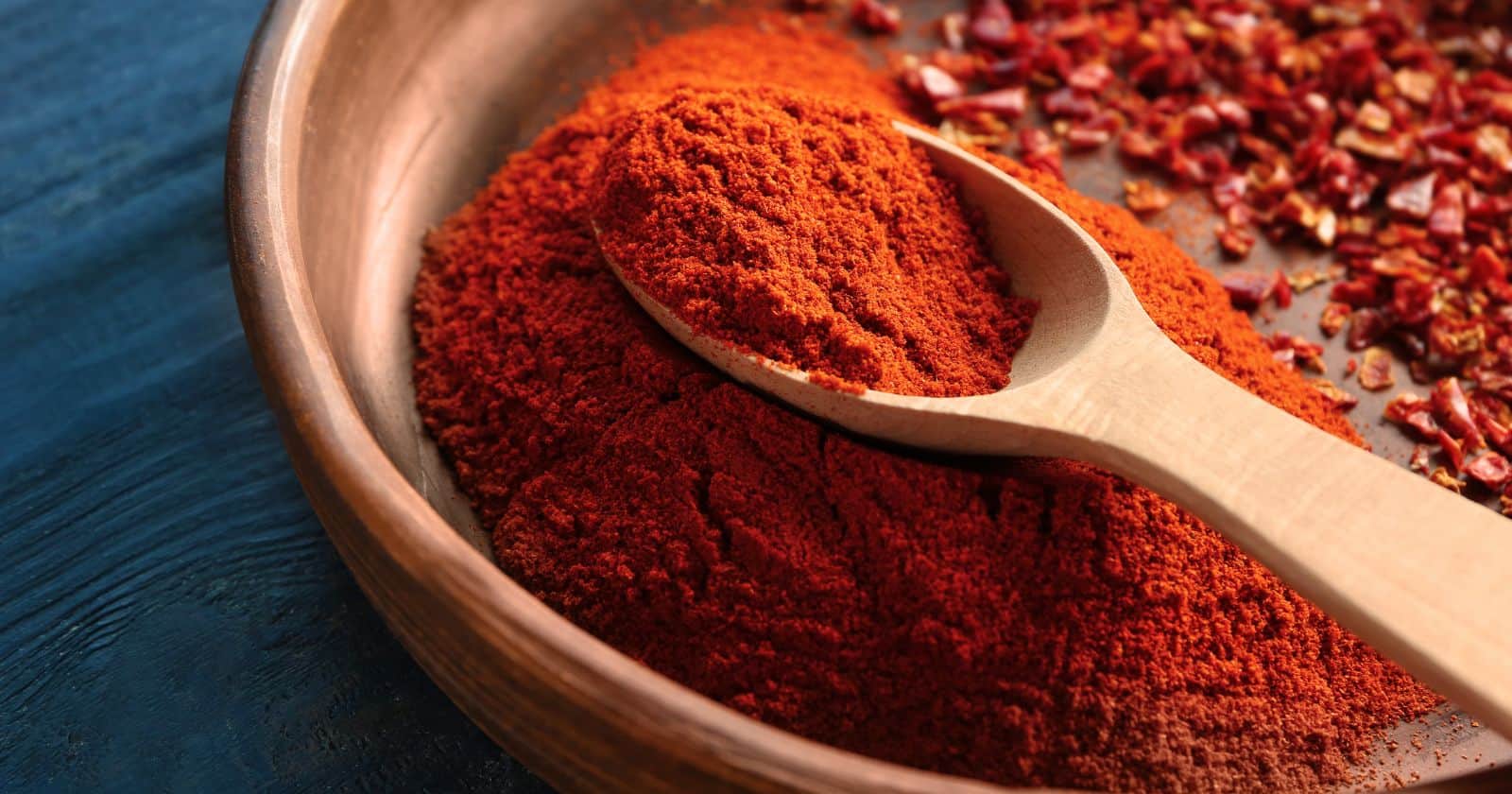
Chili powder substitutes work because commercial chili powder is already a blend, not a single spice. That familiar jar contains paprika, cumin, garlic powder, oregano, and cayenne working together. Once you understand this, you realize your spice cabinet holds everything needed to recreate or improve upon it.
I discovered this the hard way. Halfway through browning beef for a batch of chili, I grabbed my chili powder jar and found nothing but red dust clinging to the sides. Instead of running to the store, I started experimenting. What I learned changed how I think about spice blends entirely.
Understanding Chili Powder: What You’re Replacing
American chili powder is a Tex-Mex invention designed for convenience, combining five or six spices into one scoop. Knowing what goes into that blend makes substitution straightforward.
What Is Chili Powder Made Of?
Commercial chili powder contains paprika as the dominant ingredient, providing color and mild sweetness. Cumin adds earthy depth. Garlic and onion powders contribute savory complexity. Oregano brings herbal brightness. Cayenne controls heat level.
The exact proportions vary between brands, but most follow this general formula:
| Ingredient | Role in Blend | Flavor Contribution |
|---|---|---|
| Paprika | Primary base | Color, mild sweetness |
| Cumin | Secondary | Earthy, nutty warmth |
| Garlic Powder | Accent | Savory depth |
| Onion Powder | Accent | Umami richness |
| Oregano | Accent | Herbal brightness |
| Cayenne | Variable | Heat adjustment |
Store-bought versions stay deliberately mild, hovering around 1,000 to 1,500 Scoville Heat Units. This keeps the blend family-friendly while delivering consistent flavor. The Spice House notes that commercial formulas avoid preservatives, salt, or oils in their pure form.
Flavor Profile Breakdown
The taste profile reads as rich, bittersweet, and mildly spicy with layered complexity. Paprika provides the sweet pepper foundation. Cumin grounds everything with earthy warmth. The oregano lifts the blend, preventing heaviness.
This complexity explains why single-spice substitutes often fall flat. Swapping in pure cayenne adds heat but loses the soul of the blend. Pure paprika brings color without character. The magic happens in combination.
One critical distinction separates chili powder from chile powder. The spelling matters. Chili powder with an “i” refers to the spice blend. Chile powder with an “e” means a single ground pepper variety like ancho or guajillo. Using them interchangeably throws off heat levels and flavor balance dramatically.
Best Single-Ingredient Chili Powder Substitutes
When your spice cabinet offers limited options, these individual ingredients provide the closest matches. Each brings distinct characteristics worth understanding.
Paprika (Best Overall Substitute)
Paprika delivers the safest swap because it already forms the backbone of most chili powder blends. Use a 1:1 ratio and expect mild, slightly sweet pepper flavor with vibrant red color.
Heat level sits between 0 and 500 SHU, making paprika significantly milder than standard chili powder. This works in your favor when cooking for heat-sensitive eaters or children. Sweet paprika stays subtle. Smoked paprika adds depth without adding fire.
The trade-off: paprika alone lacks the earthy cumin notes and savory complexity. Your dish will taste different, though still pleasant. Raw Spice Bar recommends paprika as the most forgiving substitute for maintaining original flavor balance.
Cayenne Pepper (For Heat Seekers)
Cayenne brings pure fire without the layered flavors that make chili powder interesting. At 30,000 to 50,000 SHU, cayenne runs roughly 20 times hotter than commercial chili powder.
Use 1/4 teaspoon cayenne per 1 teaspoon chili powder needed. Start there and taste before adding more. Heat builds during cooking, so what seems mild initially intensifies.
Cayenne works best when you need heat as the primary goal and other seasonings already provide flavor complexity. It performs poorly as a complete replacement because it offers nothing beyond spiciness.
Ancho Chile Powder (For Authentic Flavor)
Ancho chile powder provides the closest flavor match to the pepper component of commercial blends. Made from dried poblano peppers, ancho delivers mild heat with sweet, fruity notes reminiscent of raisins.
Start with 1/2 teaspoon ancho powder per teaspoon of chili powder needed. The concentrated pepper flavor requires less volume than you might expect. Ancho shines in Mexican dishes like enchilada sauce and mole where authentic chile character matters.
This ancho chile substitute approach works particularly well when you want depth over heat. The bittersweet quality adds sophistication to sauces and stews.
Chipotle Powder (For Smoky Depth)
Chipotle powder transforms dishes with smoky intensity that regular chili powder cannot match. Made from smoked and dried jalapeños, chipotle registers between 2,500 and 8,000 SHU with dominant smoke notes.
Use 1/2 teaspoon chipotle per teaspoon of chili powder called for. The smokiness concentrates quickly and can overwhelm other flavors if you add too much. This substitute excels in barbecue applications, bean dishes, and Southwestern recipes where smoke enhances rather than competes.
Be warned: chipotle changes your dish’s character significantly. The smoke flavor announces itself. Only use when that assertive quality fits your intended result.
Red Pepper Flakes (In a Pinch)
Red pepper flakes provide heat and visual interest when powder options run dry. The flaked texture distributes unevenly, creating pockets of spice throughout your dish.
Use 1/2 teaspoon flakes per teaspoon of chili powder needed. Results work best in soups, stews, and braises where the texture blends in. Red pepper flakes perform poorly in dry rubs or smooth sauces where visible flakes seem out of place.
| Substitute | Heat Level (SHU) | Best Application |
|---|---|---|
| Paprika | 0-500 | Color without heat |
| Cayenne | 30,000-50,000 | Pure heat boost |
| Ancho | 1,000-2,000 | Authentic Mexican |
| Chipotle | 2,500-8,000 | Smoky dishes |
| Red Pepper Flakes | Variable | Rustic soups, stews |
DIY Homemade Chili Powder Blend Recipes
Making your own blend takes five minutes and produces results superior to most commercial options. You control the heat, adjust the flavors, and skip any additives.
Classic Homemade Chili Powder Recipe
This foundational recipe mimics store-bought chili powder while allowing easy customization. Mix these ingredients and store in an airtight container.
- 2 tablespoons paprika
- 1 teaspoon ground cumin
- 1 teaspoon garlic powder
- 1/2 teaspoon onion powder
- 1/2 teaspoon dried oregano
- 1/4 teaspoon cayenne pepper
Combine thoroughly and use as a direct 1:1 replacement for commercial chili powder. This yields approximately 3 tablespoons of blend. The flavor profile lands squarely in familiar territory while tasting fresher than jarred alternatives.
Mild Family-Friendly Blend
For households with heat-sensitive members, reduce the cayenne significantly or eliminate it entirely. Increase paprika to 3 tablespoons to maintain color and body.
Adding 1/2 teaspoon smoked paprika compensates for lost complexity when removing cayenne. The smoke adds interest without adding heat. Children and spice-averse adults appreciate this version without feeling like they received a lesser product.
Extra Spicy Blend for Heat Lovers
Heat seekers should increase cayenne to 1 teaspoon or replace it entirely with chipotle powder for smoky fire. Adding 1/4 teaspoon ground chile de arbol brings sharp, focused heat.
This version suits experienced spice eaters and dishes where bold heat defines the character. Start with less than you think you need. Tasting and adjusting prevents accidentally creating something inedible.
Store any homemade blend in an airtight container away from light and heat. Expect peak potency for 6 months, though blends remain usable longer with gradual flavor decline. Kevin Is Cooking recommends labeling containers with blend date and ingredients for tracking freshness.
Alternative to Ancho Chili Powder: Complete Guide
Ancho holds a special place in Mexican cooking, and finding the right alternative to ancho chili powder requires understanding what makes it unique.
What Makes Ancho Chile Unique
Ancho chile powder comes from dried poblano peppers and delivers mild heat between 1,000 and 2,000 SHU. The flavor profile includes sweet, fruity notes with hints of raisin, coffee, and subtle earthiness.
This complexity makes ancho essential for mole sauces, enchiladas, and traditional Mexican preparations. The sweetness distinguishes it from sharper chile varieties. Standard chili powder cannot replicate these characteristics because it blends multiple spices together rather than showcasing a single pepper’s personality.
Best Ancho Substitutes Ranked
When seeking an ancho chile replacement, these options provide the closest matches:
| Substitute | Flavor Match | Heat Match | Best Use |
|---|---|---|---|
| Mulato Powder | Excellent | Slightly milder | Mole, barbecue rubs |
| Pasilla Powder | Very good | Similar | Sauces, stews, birria |
| Guajillo Powder | Good | Slightly hotter | Enchiladas, general cooking |
| New Mexico Chile | Moderate | Similar | Mild applications |
| Chili Powder + Cocoa | Approximate | Varies | Quick home fix |
Mulato chile powder offers the closest flavor match, sharing ancho’s chocolate and raisin notes with slightly less heat. For ancho chile dried substitute needs in mole, mulato performs admirably.
Pasilla chile powder brings earthy, berry-like complexity with a bit more heat. The flavor differs from ancho but complements similar dishes effectively.
A surprisingly effective home trick: mix regular chili powder with a pinch of cocoa powder to approximate ancho’s characteristic sweetness. PepperScale suggests this approach when authentic chile powders remain unavailable.
Korean Chili Powder Substitutes (Gochugaru)
Gochugaru presents unique substitution challenges because its flavor profile differs significantly from Western chili powders.
Korean chili flakes balance moderate heat with fruity sweetness and subtle smokiness. Made from sun-dried Korean red peppers, gochugaru ranges from 4,000 to 8,000 SHU with a coarse, flaky texture crucial for dishes like kimchi.
The best substitute: Aleppo pepper flakes match gochugaru’s texture, moderate heat, and fruity character most closely. Use a 1:1 ratio for marinades, stews, and most applications.
For a DIY option, combine 3 parts sweet paprika with 1 part cayenne and a pinch of sugar. This mixture approximates the heat-sweetness balance though not the exact flavor.
Mixing crushed red pepper flakes with paprika (equal parts) provides another workable alternative. The texture matches better than powder-based substitutes.
Accept that no substitute perfectly replicates authentic gochugaru for traditional Korean dishes like kimchi. The fermented results will taste different. For fusion cooking or adapted recipes, these alternatives perform adequately.
Chili Powder Substitute Conversion Chart
Quick reference eliminates guesswork when substituting on the fly. Use this chart for confident measurements.
| Substitute | Ratio to 1 tsp Chili Powder | Heat Level | Color Impact | Best For |
|---|---|---|---|---|
| Paprika + Cumin + Cayenne | 1 tsp blend (2:1:1/4 ratio) | Medium | Strong red | General cooking |
| Paprika only | 1 tsp | Mild | Strong red | Heat-sensitive dishes |
| Cayenne only | 1/4 tsp | Very hot | Bright red | Heat boost |
| Ancho Powder | 1/2-1 tsp | Mild-medium | Dark red | Mexican dishes |
| Chipotle Powder | 3/4 tsp | Medium-hot | Brown-red | Smoky applications |
| Red Pepper Flakes | 1/2 tsp | Medium-hot | Minimal | Soups, stews |
| Aleppo Pepper | 1 tsp | Medium | Deep red | General cooking |
| Taco Seasoning | 1 tsp | Varies | Varies | Tacos, Mexican |
| Hot Sauce | 1/2-1 tsp | Varies | Minimal | Liquid dishes only |
The 1 tsp chili powder substitute question comes up constantly. For most applications, the paprika-cumin-cayenne blend at proper ratios delivers the most reliable results. When time matters, straight paprika provides acceptable backup.
Color changes matter for presentation. Pure cayenne brightens dishes. Chipotle darkens them. Paprika-based substitutes maintain expected red tones. Plan accordingly when appearance matters for the final dish.
Best Substitutes by Dish Type
Different dishes demand different substitute approaches. What works in stew fails in dry rubs. Match your substitute to your cooking method.
For Homemade Chili and Stews
The classic paprika-cumin-cayenne blend excels here because these forgiving dishes allow flavors to meld during extended cooking. Use the standard ratio and add ingredients at the same stage you would add commercial chili powder.
Smoked paprika elevates beef chili particularly well. The smoke complements browned meat without requiring chipotle’s intensity. Start with 1/4 of your paprika as smoked and adjust next time based on results.
For Tacos and Mexican Dishes
Ancho chile powder delivers authentic flavor that standard chili powder cannot match. The fruity sweetness works beautifully with seasoned meats, beans, and tomato-based sauces.
For quick weeknight tacos, a DIY blend of 2 parts paprika, 1 part cumin, 1/2 part garlic powder, and a pinch of oregano produces satisfying results. Reduce added salt if using taco seasoning as a substitute since commercial versions contain significant sodium.
For Dry Rubs and Marinades
Chipotle powder transforms meat with smoky depth that grilled proteins love. The smoke penetrates during cooking, creating complexity throughout rather than just on surfaces.
Use 3/4 teaspoon chipotle per teaspoon of chili powder called for. Reduce other heat sources in your rub since chipotle brings its own fire. This approach works exceptionally for brisket, ribs, and chicken thighs.
For Soups and Sauces
Hot sauce provides an alternative when liquid-based dishes allow it. The vinegar and salt in hot sauce require recipe adjustments, but the flavor integration happens smoothly in wet applications.
Start with 1/2 teaspoon hot sauce per teaspoon of chili powder needed. Taste before adding more. Reduce other salt and acidic ingredients to compensate for what the hot sauce contributes.
Hot Sauce as a Chili Powder Substitute
Hot sauce substitution requires understanding what you gain and what you lose in the exchange.
Use hot sauce only in liquid-based dishes where the additional moisture integrates naturally. Soups, stews, braised beans, and sauces handle hot sauce well. Dry rubs and non-liquid applications do not.
Conversion guidance: start with 1/2 to 1 teaspoon hot sauce per teaspoon of chili powder the recipe calls for. Two dashes (approximately 1/8 teaspoon each) provide a conservative starting point.
Popular options perform differently:
- Cholula: mild to medium heat, balanced vinegar
- Valentina: tangy with medium heat, Mexican-style
- Tapatio: spicier, vinegar-forward profile
Reduce added salt when using hot sauce since most brands contain significant sodium. Also reduce other liquids slightly to maintain proper consistency. Fine Dining Lovers recommends tasting throughout the cooking process since hot sauce heat and flavor vary considerably between brands.
Nutritional Comparison of Chili Powder Substitutes
Health-conscious cooks should understand how substitutions affect nutritional profiles.
Calorie differences remain minimal across substitutes, ranging from 14 to 23 calories per tablespoon. These amounts prove insignificant in typical recipe quantities.
| Substitute | Calories/oz | Sodium/oz | Notable Benefits |
|---|---|---|---|
| Chili Powder | 335 | 4,616 mg | Varies by brand |
| Paprika | 282 | 68 mg | High vitamin A |
| Cayenne | 318 | Variable | High capsaicin |
| Ancho Powder | Similar | Low | Antioxidants |
Sodium content varies dramatically. Commercial chili powder blends often contain significant salt, sometimes exceeding 4,600 mg per ounce. Pure spices like paprika (68 mg/oz) offer much lower sodium. Making your own blend controls salt intake entirely.
Paprika provides exceptional vitamin A from its carotenoid content. This makes paprika-heavy blends nutritionally advantageous beyond flavor considerations.
Capsaicin in hotter substitutes like cayenne and chipotle offers potential metabolic and anti-inflammatory benefits. Research suggests capsaicin supports cardiovascular health and may boost metabolism, though amounts in typical cooking remain modest.
All discussed substitutes remain naturally gluten-free and vegan. Commercial blends occasionally contain additives worth checking if you have specific dietary requirements.
Storing Your Homemade Spice Blends
Proper storage preserves the work you put into making custom blends.
Keep blends in airtight containers away from heat, light, and moisture. Glass jars with tight-fitting lids work well. Tinted or opaque containers provide additional light protection.
Avoid storing spices near stoves, ovens, or dishwashers where heat and steam concentrate. The convenient spice rack above your range actively degrades your collection. A cool, dark cabinet preserves potency far longer.
Expect peak flavor for 6 months to 1 year with proper storage. Blends remain usable beyond this window but lose intensity gradually. Ground spices degrade faster than whole spices because grinding exposes more surface area to air.
Signs your blend has lost potency:
- Color appears duller or faded
- Aroma requires close sniffing to detect
- Taste lacks expected punch
- Clumping indicates moisture contamination
Label containers with date and contents. Include the blend date, ingredients, and intended use. Six months later you will appreciate knowing exactly what each jar contains and when you made it.
For long-term storage, vacuum-sealing or freezing extends shelf life to several years. Allow frozen containers to reach room temperature before opening to prevent condensation from causing moisture contamination.
FAQ
What ratio works best for replacing 1 tablespoon of chili powder?
Combine 2 teaspoons paprika, 1 teaspoon cumin, and 1/4 teaspoon cayenne for a direct tablespoon replacement. This formula captures the balanced heat, earthiness, and color of commercial blends. Adjust cayenne up or down based on your heat preference.
Does paprika taste the same as chili powder?
Paprika tastes milder and sweeter than chili powder because it lacks the cumin, garlic, and onion components. Paprika provides excellent color and pleasant pepper flavor but misses the savory complexity. Adding cumin and garlic powder alongside paprika closes the flavor gap significantly.
Is cayenne pepper hotter than chili powder?
Cayenne runs approximately 20 times hotter than standard chili powder. Commercial chili powder measures 1,000-1,500 SHU while cayenne registers 30,000-50,000 SHU. Always reduce cayenne quantities dramatically when substituting. Start with 1/4 the amount called for.
What works as an alternative for ancho chili powder in mole?
Mulato or pasilla chile powder provide the closest flavor matches for mole applications. Both share ancho’s earthy sweetness and mild heat. Mulato offers chocolate and raisin notes particularly suited to mole. Mix regular chili powder with a pinch of cocoa powder for a quick approximation.
How long does homemade chili powder stay fresh?
Expect full potency for 6 months when stored properly in airtight containers away from heat and light. Blends remain usable for up to a year with gradual flavor decline. Label containers with the blend date so you know when to refresh your supply.
Which substitute works for Korean recipes calling for gochugaru?
Aleppo pepper flakes match gochugaru’s texture, moderate heat, and fruity sweetness most closely. For DIY, combine 3 parts sweet paprika with 1 part cayenne and a pinch of sugar. Note that authentic Korean dishes like kimchi will taste different with any substitute.
What substitute adds smokiness like chipotle but with less heat?
Smoked paprika delivers smoke flavor without significant heat. Use it at a 1:1 ratio to add smoky depth while keeping spiciness mild. For moderate heat with smoke, blend smoked paprika with a small amount of cayenne rather than using straight chipotle powder.
Does hot sauce work as a chili powder replacement?
Hot sauce works only in liquid-based dishes like soups, stews, and sauces. Use 1/2 to 1 teaspoon per teaspoon of chili powder needed. Reduce added salt and other liquids to compensate for what hot sauce contributes. Avoid using hot sauce in dry rubs or non-liquid applications.