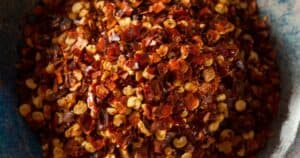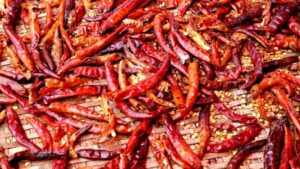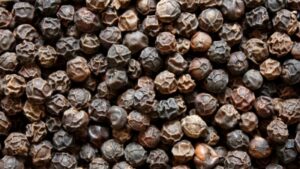
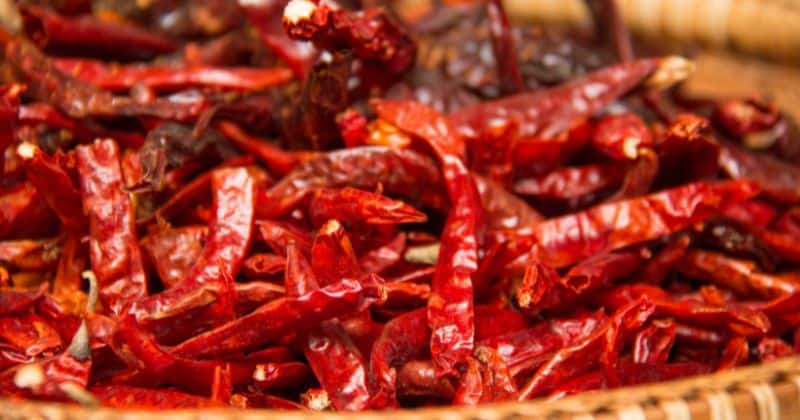
Do dried chilis go bad? They won’t make you sick if kept dry, but their flavor fades long before they become unsafe. Most dried chilis stay at peak quality for 12 to 24 months, though whole peppers stored in airtight containers can remain flavorful for up to four years. You’ll learn exactly when to toss them, how to store them right, and what to do with that forgotten bag in your pantry.
I found a bag of guajillos behind my rice last month. They’d been there at least two years, maybe three. The color looked faded, the smell was weak, and I wondered if they were worth keeping. That moment sent me down a research rabbit hole about dried chili preservation.
Do Dried Chilis Actually Expire?
Dried chilis don’t expire the way milk or bread does. The dehydration process removes the moisture bacteria need to grow, so properly stored dried peppers remain safe to eat indefinitely. What changes over time is their quality, not their safety.
The Difference Between Expiration and Quality Loss
Food safety expiration marks when something becomes dangerous to eat. Quality degradation means food loses flavor, aroma, or texture but won’t harm you. Dried chili peppers fall firmly in the second category.
- Safety window: Essentially unlimited if kept dry and mold-free
- Peak flavor window: 12-24 months from purchase
- Acceptable quality: Up to 3-4 years with proper storage
- Still usable: Beyond 4 years, though significantly diminished
That bag of guajillos I found? Safe to eat. But when I toasted one, the aroma was barely there. The heat remained, but the complex fruity notes had vanished.
Why Dried Chilis Have Such Long Shelf Life
The science is straightforward. Fresh chilis contain 70-90% water. Drying reduces moisture content to around 10%, creating an environment where bacteria and mold struggle to survive. Capsaicin, the compound responsible for heat, remains remarkably stable during this process and degrades slowly over years.
The volatile compounds that create complex flavor profiles are another story. These aromatic oils evaporate at room temperature, which explains why old dried chilis often retain heat but lose their distinctive taste. According to Spice Alibaba, freshly dried chilis contain up to 23% more volatile flavor compounds within three months of drying.
How Long Do Dried Peppers Last?
Expect 1-2 years of optimal flavor from dried chilis stored at room temperature in airtight containers. After that, they remain safe but increasingly bland. Freezing extends quality to 3-4 years.
Pantry Storage Timeline
Your kitchen conditions dramatically affect how long dried peppers last. Temperature, humidity, and light exposure all play roles.
| Storage Method | Quality Duration | Flavor Retention |
|---|---|---|
| Open container on counter | 3-6 months | 50-60% |
| Airtight jar in dark pantry | 12-18 months | 70-90% |
| Refrigerator in sealed container | 18-24 months | 85-95% |
| Freezer, vacuum-sealed | 2-4 years | 90-95% |
The biggest mistake people make is leaving dried chilis in their original plastic bags. Those bags aren’t truly airtight, and every time you open them, moisture and air sneak in. Transfer to glass jars immediately after purchase.
Refrigerator and Freezer Storage
Refrigeration works well in humid climates where pantry storage invites mold. The key is preventing condensation. Use airtight containers with minimal headspace, and never open cold containers immediately after removing from the fridge.
Freezer storage offers the longest preservation. Vacuum-sealed bags work best, removing oxygen that degrades flavor compounds. When ready to use frozen chilis, let the sealed bag reach room temperature before opening. This prevents moisture from condensing on the peppers.
Different Pepper Types and Their Longevity
Whole dried peppers outlast crushed or ground versions because less surface area contacts air and light. Here’s what to expect from common varieties:
| Pepper Type | Whole | Crushed/Flakes | Powder |
|---|---|---|---|
| Ancho chiles | 2-3 years | 2 years | 1-2 years |
| Dried poblano peppers | 2-3 years | 2 years | 1-2 years |
| Red chile pods | 2-3 years | 2 years | 1-2 years |
| Peppercorns | 3-4 years | 2-3 years | 2-4 years |
Thick-walled peppers like anchos and mulatos tend to hold up slightly better than thin-skinned varieties. Magic Plant Farms notes that grinding dried peppers fresh as needed preserves flavor far better than buying pre-ground.
Signs Your Dried Chilis Have Gone Bad
Mold is the only sign that means immediate disposal. White, green, or fuzzy spots indicate spoilage that cooking won’t fix. Everything else signals quality loss, not safety concerns.
Visual Indicators of Spoilage
Mold growth produces mycotoxins that survive cooking temperatures. Don’t try to cut away moldy spots or salvage partially affected chilis. Throw them all out.
Beyond mold, watch for:
- Discoloration: Vibrant reds fading to dull brown or gray
- Black spots: Different from natural dark areas, indicates advanced degradation
- Insect damage: Small holes or webbing mean pantry pests got there first
- Dust-like appearance: Extreme dryness causing crumbling
Color fading alone doesn’t mean your chilis are dangerous. It signals flavor loss. Those faded guajillos I found were safe but tasted like mild dust rather than fruity heat.
Smell and Texture Changes
Fresh dried chilis smell earthy, slightly sweet, and distinctly peppery. Trust your nose. Musty, rancid, or sour odors mean disposal time.
Texture tells its own story. Properly dried chilis snap cleanly when bent. Problems appear when they:
- Feel leathery or soft (moisture absorption, mold risk)
- Show damp spots (spoilage imminent)
- Crumble to dust when touched (over-dried, flavor gone)
The snap test takes two seconds and reveals a lot. A crisp break means the chili retained its structure. Bendiness without breaking suggests moisture problems.
When to Throw Them Out vs When They’re Still Usable
Throw out immediately: – Any visible mold, regardless of size – Musty, rancid, or off odors – Soft, damp, or sticky texture – Evidence of insects
Still usable but diminished: – Faded color with normal texture – Weak aroma but no off smells – Excessive brittleness without dust
Testing borderline chilis is simple. Crush a small piece between your fingers. If you smell that characteristic pepper scent and taste some heat, use them generously to compensate for flavor loss. If nothing happens, they’ve served their purpose.
How to Store Dried Chiles Properly
Cool, dark, and dry remains the universal storage mantra. Temperatures below 70°F (21°C) and humidity under 60% create ideal conditions for storing dried chiles long-term.
Best Storage Containers Compared
Container choice matters more than most people realize. Here’s how options stack up:
| Container | Moisture Barrier | Light Protection | Durability | Best Use |
|---|---|---|---|---|
| Glass jars with rubber gaskets | Excellent | Poor unless opaque | High | Long-term pantry |
| Ceramic containers | Excellent | Excellent | High | Display storage |
| Vacuum-sealed bags | Superior | Poor | Medium | Freezer storage |
| Freezer bags | Good | Poor | Low | Short-term storage |
| Original plastic bags | Poor | Poor | Low | Temporary only |
Mason jars with rubber gaskets create the most reliable seal for pantry storage. Dark glass or ceramic containers add light protection. Spices Inc. recommends glass over plastic because plastic can absorb and transfer odors over time.
Ideal Storage Conditions
Location within your kitchen affects chili longevity significantly. Avoid:
- Cabinets above the stove (heat rises)
- Windowsills (light and temperature fluctuations)
- Near dishwashers (humidity spikes)
- Open shelving (light exposure)
The back of a cool, dark pantry works best. If you live in a humid climate, consider adding silica gel packets to containers. They absorb excess moisture before it reaches your chilis.
Long-Term Preservation Methods
For serious chili collectors or bulk buyers, vacuum sealing combined with freezer storage offers maximum preservation. The process removes oxygen while the cold temperatures slow chemical degradation.
Steps for freezer storage:
- Ensure chilis are completely dry
- Portion into meal-sized amounts
- Vacuum seal or use freezer bags with air pressed out
- Label with date and variety
- Store in freezer’s coldest zone
When retrieving frozen chilis, patience prevents problems. Let the sealed package warm to room temperature before opening. This takes about 30 minutes and prevents condensation from forming on cold pepper surfaces.
How Quality Degrades Over Time
Even perfect storage conditions can’t stop degradation entirely. Understanding the timeline helps you plan purchases and prioritize usage of older stock.
Flavor and Heat Loss Timeline
Flavor compounds and heat components degrade at different rates. Volatile aromatics that create complex flavor profiles evaporate first. Capsaicin remains more stable, so old chilis often retain some heat while tasting flat.
| Timeframe | Flavor Status | Heat Status | Overall Quality |
|---|---|---|---|
| 0-12 months | Peak | Peak | Excellent |
| 12-18 months | Declining | Stable | Good |
| 18-24 months | Noticeably weaker | Beginning decline | Acceptable |
| 2-3 years | Significantly reduced | Moderate decline | Use more quantity |
| 3+ years | Minimal | Variable | Consider replacing |
Ground chilis lose potency faster than whole pods. The increased surface area accelerates oxidation. PepperScale recommends buying whole dried peppers and grinding fresh to maximize flavor retention.
Color and Aroma Changes
Color fading serves as a visual indicator of internal degradation. Vibrant reds and deep browns transition to dull, ashy tones. The same oxidation process affecting color also breaks down flavor potency.
Aroma weakens alongside color changes. Fresh dried chilis release strong scent when crumbled. Older chilis require crushing and sniffing directly to detect remaining volatile compounds. When even that produces minimal scent, heat potency has likely diminished as well.
Testing older chilis before committing to a recipe saves disappointment. Toast a small piece in a dry pan for 30 seconds, then taste. Adjust quantities based on what you detect.
Dried Chilis vs Fresh: Which Lasts Longer?
Dried chilis outlast fresh by months or years. A fresh poblano pepper survives 1-2 weeks refrigerated. Its dried counterpart, the ancho, maintains quality for 2-3 years properly stored.
The longevity difference makes dried chilis ideal for pantry stocking. Buying dried in bulk reduces per-unit costs and ensures you always have peppers available. Fresh peppers require immediate use or preservation efforts like freezing.
| Pepper Form | Typical Shelf Life | Best Storage |
|---|---|---|
| Fresh poblano | 1-2 weeks | Refrigerator crisper |
| Dried poblano (ancho) | 2-3 years | Cool, dark pantry |
| Fresh cayenne | 1-2 weeks | Refrigerator |
| Dried cayenne | 2-3 years | Airtight container |
Cost efficiency favors dried for regular chili users. A pound of dried chilis costs more upfront but provides months of cooking versus weeks from fresh. Less waste means better value. Seasonal availability doesn’t affect dried peppers, ensuring year-round access to any variety.
Reviving and Using Older Dried Chilis
Older dried chilis aren’t trash. They need different treatment than fresh stock. Proper rehydration and adjusted quantities extract remaining value from aged peppers.
Rehydration Techniques
Rehydrating dried chilis reveals their current quality better than any other test. Submerge cleaned, stemmed, and seeded chilis in near-boiling water for 20-30 minutes. Use a plate to keep floating peppers submerged.
For enhanced flavor, use chicken or vegetable broth instead of water. The liquid infuses additional taste while softening the peppers. Save the soaking liquid for sauces, as it contains extracted capsaicin and flavor compounds.
After rehydration, taste both the pepper and liquid. Strong flavor means your chilis have life left. Weak taste indicates the need for quantity adjustments in your recipe.
Best Uses for Aged Dried Peppers
Older dried ancho chiles and red chile pods work better in some applications than others. Dishes with multiple flavor components mask diminished pepper complexity.
Best uses for aged dried chilis:
- Braises and stews: Long cooking times extract remaining flavor
- Chili powders: Grinding concentrates whatever potency remains
- Marinades: Combined with fresh aromatics and acids
- Infused oils: Capsaicin transfers even when flavor fades
Single-pepper salsas or moles highlight quality loss in aged chilis. Save fresh stock for dishes where pepper flavor takes center stage.
Compensate for lost heat by increasing quantity 25-50% over recipe recommendations. Toast older chilis briefly in a dry pan before use. This reactivates some dormant aromatics without burning. Watch carefully, as over-dried chilis burn faster than fresh ones.
FAQ
How do you know if dried chilis are too old to use?
Crush a small piece and smell it. Fresh dried chilis release strong, earthy, peppery aromas. If crushing produces minimal scent and tasting reveals no heat, the chilis have passed usable quality regardless of their age.
Do dried chilis need refrigeration?
Refrigeration isn’t required but helps in humid climates. Pantry storage works fine if conditions stay below 70°F with humidity under 60%. Refrigerate in airtight containers if your kitchen runs warm or humid.
Why did my dried chilis get moldy?
Moisture exposure causes mold. Common culprits include storing in non-airtight containers, retrieving with wet hands, or keeping near steam sources like stoves or dishwashers. Always ensure containers seal completely.
Are faded dried chilis still good?
Faded color indicates flavor loss, not spoilage. Safe to eat but diminished in taste. Use larger quantities to compensate, or reserve for dishes where other ingredients provide primary flavor.
How do you store dried chilis after opening?
Transfer to glass jars with tight-fitting lids. Store in a cool, dark location away from heat sources. Use clean, dry utensils when removing chilis to prevent introducing moisture.
Do whole dried chilis last longer than ground?
Yes. Whole dried peppers maintain quality 2-3 years versus 1-2 years for ground. Less surface area means slower oxidation. Buy whole and grind as needed for maximum freshness.
What’s the white stuff on my dried chilis?
White powder on dried chilis is usually either mold or natural capsaicin crystals. Mold appears fuzzy or spotty and carries a musty odor. Capsaicin crystals look uniform and have no smell. When uncertain, discard to be safe.
Is it safe to eat very old dried chilis?
Old dried chilis that show no mold, have normal texture, and lack off odors remain safe indefinitely. The question isn’t safety but quality. Taste before committing to a recipe, and adjust expectations for diminished flavor.