Can I Eat Sushi Before a Colonoscopy? Complete Food Guide by Prep Phase

Your colonoscopy prep starts days before you drink that bowel solution. Can I eat sushi before a colonoscopy? The short answer is no for raw fish and seaweed, but cooked options have more flexibility depending on timing. This guide breaks down exactly what you can eat at each phase, with specific sushi alternatives that keep you satisfied without sabotaging your prep.

The Short Answer: Why Sushi Isn’t Ideal Before Your Colonoscopy

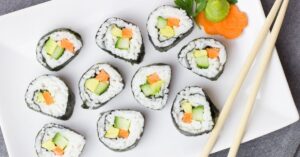
Traditional sushi fails colonoscopy prep on multiple fronts. Raw fish carries bacterial concerns when your digestive system needs to be pristine. Nori seaweed packs fiber that leaves residue on colon walls, obscuring your doctor’s view. The timing matters more than you think.

Raw Fish Concerns During Prep

Raw fish presents a unique risk during colonoscopy preparation. Your immune system and gut lining need to be in optimal condition for both the cleansing process and the procedure itself. Bacteria and parasites that might be present in raw fish pose elevated risks when your intestines are being thoroughly flushed.

The prep solution creates an environment where any bacterial contamination faces less resistance from your normal digestive defenses. This is why gastroenterologists consistently recommend avoiding raw proteins entirely in the days leading up to your procedure.

Seaweed and Rice Considerations

Nori seaweed wraps contain significant fiber content that directly contradicts low fiber diet colonoscopy requirements. Fiber leaves residue that clings to intestinal walls and reduces visibility during the examination.

Sushi rice creates a more nuanced situation:

Component 3+ Days Before 48 Hours Before 24 Hours Before
Plain white rice Acceptable Limited amounts Not allowed
Vinegared sushi rice Avoid Not allowed Not allowed
Nori seaweed Avoid Not allowed Not allowed
Raw fish Avoid Not allowed Not allowed
Cooked fish (plain) Acceptable Acceptable Not allowed

Cooked sushi options like shrimp tempura rolls or cooked salmon nigiri occupy a gray area. Three or more days before your procedure, cooked seafood without seaweed wrapping aligns with prep guidelines. Remove the nori, skip the sauces, and you have a compliant protein source.

Understanding the Colonoscopy Prep Diet Timeline

Timeline showing sushi and other foods to avoid before colonoscopy preparation

The colonoscopy prep diet follows a progressive restriction pattern designed to empty your colon completely. Your doctor wants a crystal-clear view of every fold and surface during the examination. Food residue obscures polyps, lesions, and early cancer signs.

Why a Low-Fiber Diet Matters

Fiber creates bulk in your stool and slows intestinal transit time. During normal digestion, this benefits gut health. During colonoscopy prep, fiber becomes your enemy. It clings to colon walls, requires more aggressive cleansing, and increases the risk of an incomplete exam.

An incomplete colonoscopy means repeating the entire prep process. Nobody wants to drink that solution twice because they ate a fiber-rich meal at the wrong time.

What Is Low Residue?

Low residue diet takes low-fiber restrictions further by also limiting foods that leave any trace in your intestines. This includes:

  • Dairy products with high fat content
  • Tough or chewy meat fibers
  • Seeds of any size
  • Fruit and vegetable skins
  • Whole grains and bran

The standard timeline breaks down as follows. Days three through five before your procedure, start the low-fiber approach. Twenty-four hours before, switch to clear liquids only. Some physicians recommend starting restrictions earlier, particularly for patients with slower digestive transit or previous incomplete preps.

Your specific instructions depend on which prep solution you receive, your medical history, and your doctor’s preferred protocol. When in doubt, follow your printed instructions exactly. They override general guidelines like this article.

72 Hours Before Your Colonoscopy: What You Can Eat

Three days before your procedure marks the transition point. Your diet shifts from unrestricted to strategic. The goal is reducing fiber intake while maintaining adequate nutrition and enjoyment.

Allowed Proteins

Tender lean meat options give you the most flexibility during this phase:

  • Chicken breast (baked, grilled, or poached)
  • Turkey (sliced or ground)
  • Fish and seafood (cooked thoroughly, no breading)
  • Eggs (boiled, scrambled, or poached)
  • Lean pork and veal
  • Cottage cheese and mild cheeses

Avoid tough cuts with visible fat marbling, gristle, or connective tissue. These take longer to digest and leave more residue. Skip fried preparations entirely.

For sushi lovers, this means cooked fish from a sushi restaurant works fine. Order salmon or shrimp without the nori wrapper. Ask for sashimi-style presentation of cooked proteins. Plain steamed fish over white rice satisfies the craving without the prep complications.

Safe Carbohydrates

Refined white flour products become your carbohydrate foundation:

  • White bread, rolls, and bagels
  • White pasta and noodles
  • White rice (plain steamed, not vinegared)
  • Saltine crackers and plain crackers
  • Cornflakes, Rice Krispies, and puffed rice cereals
  • Pretzels without seeds

The pattern is clear. Choose refined over whole grain every time. That brown rice bowl you normally order becomes a white rice bowl for these few days.

Foods to Start Avoiding

Begin eliminating these categories now:

  • All raw vegetables including salads
  • Nuts and seeds of any kind
  • Whole grains including brown rice, whole wheat bread, and oatmeal
  • Fruits with skin or seeds
  • Popcorn and corn products
  • Legumes including beans, lentils, and chickpeas

The vegetables in sushi rolls fall squarely in the avoid category. Cucumber, avocado, and pickled vegetables all contain fiber and skins that interfere with prep effectiveness.

48 Hours Before: Tightening Your Diet

Two days out, your food choices narrow significantly. The emphasis shifts to extremely simple, easily digestible options that your body processes quickly and completely.

Best Food Choices

Your meals should come from this shorter list:

  • Plain scrambled or boiled eggs
  • Well-cooked chicken or fish (no sauce)
  • White toast with small amounts of butter
  • Plain white rice or pasta
  • Clear broths (chicken, beef, or vegetable)
  • Canned peaches or pears without skin
  • Applesauce
  • Plain gelatin (avoid red and purple colors)

Portion sizes matter now. Smaller, more frequent meals process faster than large ones. Think of this as grazing rather than traditional meal times.

What to Eliminate Now

Foods to avoid before colonoscopy at this stage include everything from the previous list plus:

  • All raw proteins including sashimi
  • Dairy products beyond mild cheese
  • Fatty foods and fried items
  • Spicy seasonings and heavy sauces
  • Any vegetables that require chewing
  • Bread with seeds or whole grain ingredients

Clear broths become increasingly important for both nutrition and satiety. Chicken broth, beef broth, and vegetable broth without solid pieces provide warmth and flavor while meeting prep requirements. You can add small amounts of salt for taste.

A practical 48-hour meal looks like this. Scrambled eggs with white toast for breakfast. Plain chicken breast with white rice for lunch. Clear chicken broth with plain crackers for dinner. Boring but effective.

24 Hours Before: The Clear Liquid Diet Phase

The day before your colonoscopy eliminates all solid foods. Clear liquids only. This is the phase where most people struggle with hunger and boredom, but strict compliance makes your prep effective and your procedure successful.

What Counts as Clear Liquids

Clear liquid diet means liquids you can see through at room temperature:

  • Water (plain, sparkling, or flavored without dyes)
  • Clear broths and bouillon
  • Apple juice and white grape juice
  • Black coffee and plain tea (no milk or cream)
  • Clear sodas like ginger ale or Sprite
  • Popsicles without fruit pieces or dairy
  • Gelatin (no red or purple)
  • Sports drinks without red or purple coloring

The “no red or purple” rule exists because these colors mimic blood during the procedure and create diagnostic confusion. Orange is sometimes restricted too. Stick to yellow, green, and clear options.

What to Avoid Completely

Sushi before colonoscopy at this stage means absolute zero. No exceptions for any variety.

Also completely forbidden:

  • All solid foods regardless of fiber content
  • Milk, cream, and dairy products
  • Smoothies and shakes
  • Juices with pulp
  • Alcohol
  • Anything you cannot see through

Your bowel prep solution typically starts during this phase. Follow the timing instructions precisely. Drinking the solution too fast causes nausea. Drinking it too slow reduces effectiveness.

Staying hydrated helps the prep solution work and reduces headaches and fatigue. Sip clear liquids throughout the day, not large amounts at once.

Complete Food Guide: What’s Allowed vs. Restricted

This comprehensive breakdown covers the most common questions about specific foods during the low-fiber preparation phase (days three through five before your procedure).

Proteins You Can Eat

Protein Source Status Notes
Chicken breast Allowed Plain preparation, no skin
Turkey Allowed Sliced or ground, avoid processed deli meat
Cooked fish Allowed Baked or steamed, no breading
Cooked shrimp Allowed Plain, no cocktail sauce
Eggs Allowed Any preparation except fried
Cottage cheese Allowed Low-fat varieties preferred
Raw fish Avoid Bacterial concerns during prep
Fried chicken Avoid Fat content creates residue
Tough steak Avoid Difficult to digest completely
Bacon and sausage Avoid High fat and processed
Nuts Avoid High fiber, difficult to digest
Legumes Avoid Beans, lentils create significant residue

Seafood works well during prep when cooked thoroughly. The key is simplicity. Baked salmon with lemon beats teriyaki salmon with sauce and sesame seeds.

Carbs and Grains

Carbohydrate Status Notes
White bread Allowed All varieties without seeds
White rice Allowed Plain steamed, not fried
White pasta Allowed Simple butter or light sauce only
Saltine crackers Allowed Plain varieties
Cornflakes Allowed No dried fruit or nuts
Bagels Allowed Plain, no seeds
Brown rice Avoid Fiber from bran layer
Whole wheat bread Avoid Contains whole grain fiber
Oatmeal Avoid Soluble fiber content
Granola Avoid Nuts, seeds, whole grains combined
Popcorn Avoid Hulls impossible to fully digest
Quinoa Avoid Whole grain classification

Fruits and Vegetables

Food Status Notes
Canned peaches Allowed Without skin, in light syrup
Applesauce Allowed Smooth varieties only
Banana Allowed Ripe, in moderation
Melon Allowed Honeydew and cantaloupe without seeds
Mashed potatoes Allowed No skin, plain preparation
Well-cooked carrots Allowed Soft enough to mash with fork
Raw salad Avoid All raw vegetables excluded
Broccoli Avoid High fiber even when cooked
Corn Avoid Hulls do not digest
Berries Avoid Seeds throughout
Grapes Avoid Skin concerns
Tomatoes Avoid Seeds and skin, unless fully pureed

The vegetable restrictions frustrate health-conscious eaters. Remember this is temporary. Four days of limited vegetables prevents a repeated colonoscopy from poor prep.

Foods to Avoid Completely

These items cause problems regardless of preparation method:

  • Seeds of any kind including sesame, poppy, chia, and flax
  • Nuts including peanut butter with chunks
  • Dried fruits like raisins, cranberries, and dates
  • Coconut in any form
  • Tough or fatty meats with gristle
  • Fried foods creating fat residue
  • Spicy foods irritating the digestive tract
  • Red and purple foods the day before the procedure

When reviewing food labels, look for hidden fiber sources. Many seemingly simple products contain added fiber, whole grains, or seeds.

Cultural and Dietary Accommodations

Colonoscopy prep creates challenges for people following specific dietary patterns. Understanding your options prevents unnecessary stress while maintaining compliance.

Vegetarian and Vegan Prep Options

Plant-based protein sources that work during prep include:

  • Plain tofu (firm varieties, simple preparation)
  • Seitan (wheat gluten-based protein)
  • Smooth peanut butter (creamy, no chunks)
  • Smooth almond butter in small amounts
  • Eggs for vegetarians who include them

Avoid high-fiber plant proteins like beans, lentils, tempeh, and chunky nut butters. These are normally healthy choices that become problematic during prep.

Vegan clear liquid options include vegetable broth, herbal tea, apple juice, and dairy-free gelatin. Some sports drinks contain animal-derived ingredients, so check labels if this matters to you.

Kosher and Halal Considerations

Religious dietary laws add complexity but remain compatible with colonoscopy prep. Practical strategies include:

Contact your gastroenterology office in advance about prep solution ingredients. Some contain animal-derived components that conflict with dietary laws. Alternatives exist.

Bring your own certified broths and approved beverages if the facility cannot accommodate your requirements. Clear broths from kosher or halal sources work identically for prep purposes.

Coordinate procedure timing around religious observances. Most facilities accommodate scheduling requests when given adequate notice.

Asian Diet Alternatives

If sushi represents your regular comfort food, these Asian-inspired alternatives satisfy cravings while meeting prep requirements:

  • Clear miso broth (strained completely, no solid pieces)
  • Plain steamed white rice with light soy sauce
  • Steamed or poached fish without breading or heavy sauce
  • Rice noodle soup with clear broth
  • Congee (rice porridge) made thin and without toppings

The emphasis on simple preparations, white rice, and clear broths aligns naturally with many Asian cuisine traditions. Think of it as minimalist eating rather than restriction.

Common Mistakes to Avoid During Colonoscopy Prep

Failed colonoscopies from poor prep waste everyone’s time and require repeating the entire process. These errors cause most failures.

Food-Related Errors

Eating high-fiber foods too close to the procedure tops the list. People think one salad two days before will not matter. It does. Fiber residue clings stubbornly to colon walls and reduces visualization significantly.

Consuming red or purple foods or drinks the day before creates diagnostic confusion. These colors appear similar to blood on camera. Your doctor cannot distinguish between grape juice residue and a concerning lesion.

Not reading labels carefully catches many people. Bread that looks white sometimes contains whole grains. Juice marketed as “clear” sometimes contains pulp. Check everything.

Timing Mistakes

Starting the low-fiber diet too late reduces its effectiveness. Three days minimum gives your digestive system adequate time to process remaining fiber. Starting one day before helps minimally.

Drinking the prep solution incorrectly undermines the entire process. Too fast causes vomiting. Too slow reduces bowel clearance. Follow the timing instructions exactly as written.

Stopping clear liquids too early before the procedure creates unnecessary discomfort and dehydration. You typically stop all intake several hours before the procedure, not the night before.

What Happens If You Eat the Wrong Thing

A single small mistake three or more days before your procedure rarely causes cancellation. Your prep solution handles residual fiber effectively when given adequate time.

Mistakes closer to the procedure create more serious problems. Eating solid food the day before your colonoscopy often results in rescheduling. Your doctor makes this call based on the visualization quality they achieve during the exam.

If you realize you ate something problematic, contact your gastroenterology office immediately. They may adjust your prep protocol or reschedule depending on timing and severity. Honesty prevents wasted procedures and repeated preps.

Tips for Managing Hunger and Discomfort During Prep

The clear liquid phase challenges everyone. Strategic approaches reduce suffering without compromising prep effectiveness.

Staying Satisfied on a Limited Diet

Clear broth provides the most satisfying option during the liquid phase. Warm beverages create a sense of fullness that cold drinks lack. Chicken broth, beef broth, and vegetable broth all work. Rotate between them to prevent flavor fatigue.

Popsicles (without red or purple coloring) satisfy sweet cravings and provide hydration simultaneously. Keep several flavors available for variety.

Gelatin offers something to chew, which psychologically helps more than liquids alone. Lemon, lime, and orange flavors meet the color restrictions.

During the low-fiber phase before clear liquids, front-load your calories. Eat substantial breakfast and lunch, then lighter dinner. This creates reserves for the liquid phase.

Managing Common Symptoms

Headaches typically indicate dehydration. Increase clear liquid intake. Caffeine withdrawal also causes headaches, so maintain your normal coffee or tea habit (black, no cream).

Fatigue results from reduced caloric intake. Expect lower energy levels. Light walking helps circulation and energy without straining your system. Avoid strenuous exercise.

Irritability affects most people during prep. Acknowledge it, warn household members, and recognize that this temporary discomfort serves an important health purpose.

Hunger pangs peak around normal meal times. Distract yourself with activities, sip warm broth, and remember that the sensation passes within 20-30 minutes.

FAQ

Can I eat cooked sushi rolls like shrimp tempura three days before my colonoscopy?

Cooked shrimp itself qualifies as acceptable protein during the low-fiber phase. The complications come from nori seaweed wrapping, tempura batter, and sauces. Order the shrimp plain and steamed, skip the roll format entirely.

What about sashimi without rice or seaweed?

Raw fish concerns exist throughout the prep period due to bacterial risks. While some guidelines suggest plain sashimi without sauce is technically compliant, cooked fish eliminates the uncertainty. The flavor difference is worth the reduced risk.

Is miso soup allowed during colonoscopy prep?

Traditional miso soup contains seaweed bits, tofu pieces, and scallions that violate prep guidelines. Fully strained, clear miso broth without any solids works during the clear liquid phase. Most restaurant preparations include solids and should be avoided.

Can I have white rice from a sushi restaurant?

Plain steamed white rice works fine during the low-fiber phase, days three through two before your procedure. Sushi rice contains added vinegar and often sugar, making it less ideal. Request plain steamed rice specifically.

What happens if I accidentally ate sushi the day before my colonoscopy?

Contact your gastroenterology office immediately. They will likely reschedule your procedure since solid food consumption the day before typically prevents adequate bowel preparation. Do not skip the prep solution hoping to compensate.

Can I eat sushi a week before my colonoscopy?

Yes. Normal dietary restrictions typically begin three to five days before the procedure. A week out, you face no limitations. Enjoy your sushi without concern at that timing.

Are edamame and seaweed salad allowed during prep?

Both contain significant fiber and fall in the avoid category starting three days before your procedure. Edamame beans and seaweed both leave residue that interferes with colon visualization.

What sushi restaurant items work for colonoscopy prep?

Steamed white rice, clear soup broth (strained), and plain cooked fish or shrimp without sauce meet prep requirements during the low-fiber phase. Avoid everything wrapped in seaweed, anything raw, and all sauces containing seeds or fiber. Consider this a temporary break from your regular order rather than an opportunity to get creative with substitutions.

Share your love
Bill Kalkumnerd
Bill Kalkumnerd

I am Bill, I am the Owner of HappySpicyHour, a website devoted to spicy food lovers like me. Ramen and Som-tum (Papaya Salad) are two of my favorite spicy dishes. Spicy food is more than a passion for me - it's my life! For more information about this site Click

Leave a Reply

Your email address will not be published. Required fields are marked *