What to do with chili pequin becomes obvious once you taste one. These rice-sized peppers pack heat that rivals cayenne but deliver a complex citrus-smoke flavor that transforms ordinary dishes into something memorable. This guide covers everything from five-minute table seasonings to fermented hot sauces you’ll make once and crave forever.
I remember the first time I bit into a dried pequin straight from the bag at a Mexican market in San Antonio. The vendor watched me with a knowing smile as my eyes watered and my tongue registered not pain but brightness, smoke, and a warmth that faded as quickly as it arrived. That moment changed how I thought about heat in cooking.
What is Chili Pequin? Understanding This Tiny Powerhouse
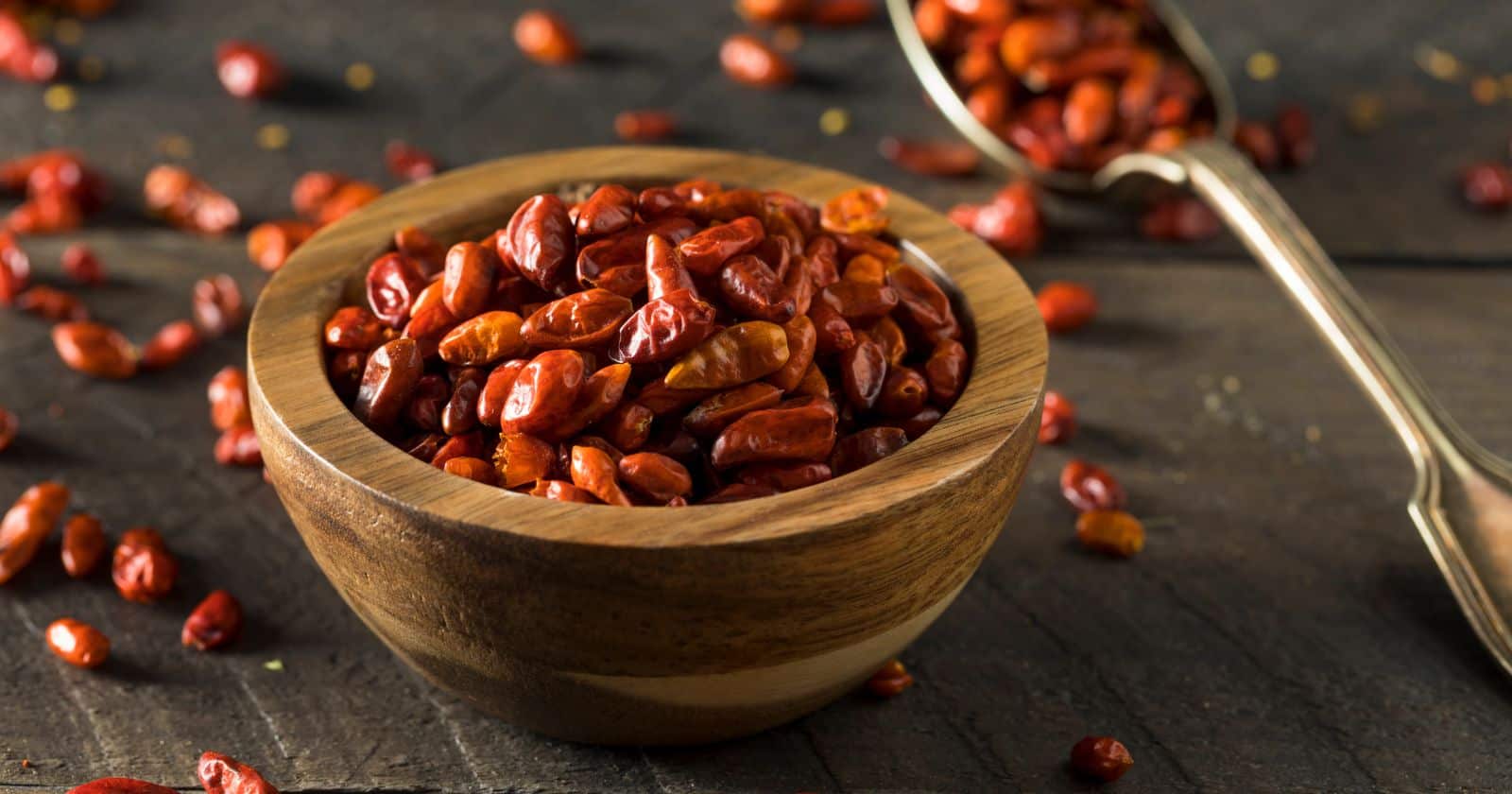
Chili pequin is a wild pepper native to northeastern Mexico and South Texas, often called the “mother of all peppers” because genetic studies suggest it’s an ancestor to jalapeños and poblanos. These tiny pods, rarely longer than your pinky fingernail, grow wild in brushlands and have been harvested by indigenous peoples for centuries.
The pequin’s reputation comes from its concentrated power. A single pepper weighs almost nothing but delivers a punch that demands respect. Birds spread the seeds because they’re immune to capsaicin, which explains another common name: bird pepper.
Heat Level and Flavor Profile
Pequin peppers register 40,000 to 60,000 Scoville Heat Units, making them roughly 5 to 8 times hotter than jalapeños but milder than habaneros. The heat hits fast and sharp, then fades within seconds, leaving behind flavor rather than lingering burn.
| Pepper | Scoville Range | Heat Comparison |
|---|---|---|
| Jalapeño | 2,500-8,000 SHU | Baseline |
| Pequin | 40,000-60,000 SHU | 5-8x jalapeño |
| Cayenne | 30,000-50,000 SHU | Similar to pequin |
| Habanero | 100,000-350,000 SHU | 2-6x pequin |
Beyond heat, pequin offers citrusy, nutty, and smoky notes that make it more interesting than one-dimensional hot peppers. Spices Inc. describes the flavor as “earthy and nutty, with hints of citrus and a burst of up-front heat that fades quickly.”
Fresh vs Dried Pequin Peppers
Fresh pequin peppers taste brighter and more herbaceous, with green ones being hotter and red ones developing fruity sweetness. Dried pequin peppers concentrate the smoky and nutty characteristics, making them ideal for spice rubs and sauces.
- Fresh green pequin: Sharpest heat, grassy notes, best for salsas and garnishes
- Fresh red pequin: Mellower heat, fruity undertones, great for pickling
- Dried whole pequin: Smoky depth, longest shelf life, crushable for instant seasoning
- Dried and ground pequin: Most concentrated flavor, easiest to incorporate into recipes
Most cooks work with dried pequin because fresh peppers are seasonal and regional. The drying process intensifies flavor without diminishing heat, which explains why a pinch goes further than you expect.
Classic Mexican Recipes Using Chili Pequin
Traditional Mexican cooking uses pequin where other cuisines might reach for cayenne or red pepper flakes. The difference is nuance. Pequin adds heat that enhances rather than overwhelms.
Molcajete Salsa with Chili Pequin
A chili pequin salsa made in a volcanic stone molcajete releases oils from the pepper seeds that a blender never captures. The rough grinding creates texture and aroma that defines authentic Mexican table salsa.
Basic Molcajete Salsa: – 8-10 dried pequin peppers, lightly toasted – 2 cloves garlic, peeled – 2 roma tomatoes, fire-roasted – 1/4 white onion, roughly chopped – Salt to taste – Fresh cilantro and lime juice, optional
Grind garlic and salt first to create a paste. Add toasted pequin and crush until rough-textured. Incorporate tomatoes and onion, grinding to your preferred consistency. The salsa should look rustic, not smooth.
Mexico in my Kitchen notes that “grinding the peppers in a molcajete releases their natural oils, which give the salsa an added flavor.”
Authentic Chile con Carne
Pequin transforms chili con carne by adding layers beneath the surface heat. Toast dried peppers until fragrant, grind them with cumin and oregano, then bloom the spice mixture in rendered beef fat before building the stew.
The citrusy notes in pequin cut through rich beef and tomatoes, preventing the dish from becoming heavy. Start with 2 tablespoons ground pequin per pound of beef and adjust upward.
Enchilada Sauce with Pequin Heat
Veracruz-style enchilada sauce relies on pequin for its characteristic bite. Blend dried peppers with tomatoes, garlic, and a splash of chicken broth until smooth. Simmer until thickened, then strain for silky texture or leave rustic.
Adjusting heat levels: – For milder sauce, remove pepper seeds before grinding – For medium heat, use 1 pequin per 2 tomatoes – For serious fire, increase to 1 pequin per tomato
Homemade Chile Oil and Infusions
Making chile oil at home produces something far superior to store-bought versions. You control the heat level, and fresh-made oil carries aromatics that fade in commercial products.
Basic Chili Pequin Oil Recipe
The key is temperature control. Too hot and you burn the peppers, creating bitter oil. Too cool and you extract nothing.
Step-by-step process: 1. Toast 1 ounce dried pequin in a dry skillet until fragrant, about 5 minutes 2. Roughly crush peppers with Sichuan peppercorns and orange zest if desired 3. Heat 2 cups neutral oil to 250-300°F (use a thermometer) 4. Add crushed spices and simmer on low for 20 minutes 5. Cool completely, then strain into a clean jar
Infusing at least 12 hours produces full flavor development. Overnight steeping at room temperature after the initial simmer produces the most complex oil.
Infusing Vinegars and Spirits
Pequin vinegar becomes an instant flavor weapon. Pack dried peppers into a sterilized bottle, heat white or rice vinegar until steaming, and pour over the peppers. Seal and wait two weeks. The finished vinegar adds controlled heat to dressings and marinades.
For cocktail applications, steep dried pequin in vodka or tequila for one week, shaking daily. Strain and use sparingly. A few drops transform a margarita.
Best oil choices: – Grapeseed or canola: Neutral, lets pepper shine – Light olive oil: Adds subtle fruitiness – Avoid extra virgin olive oil: Overpowers delicate pequin notes
Making Homemade Pepper Sauce with Pequin
A pequin pepper sauce lasts months in the refrigerator and adds instant complexity to any dish. Two methods produce different results: fermented sauce with funky depth or quick vinegar sauce with bright acidity.
Fermented Hot Sauce Method
Fermentation requires patience but rewards with flavor complexity that quick methods cannot match. Natural bacteria convert sugars into lactic acid, creating tangy undertones.
Fermentation basics: – Combine chopped fresh pequin peppers with 2% salt by weight – Pack into a clean jar, submerge under brine – Cover loosely and ferment at room temperature 1-3 weeks – Blend with vinegar to desired consistency – Strain for smooth sauce or leave chunky
Watch for active bubbling during the first week. When bubbling stops, fermentation is complete. The finished sauce stores refrigerated for 6 months or longer.
Quick Vinegar-Based Sauce
When you need pepper sauce now, the vinegar method delivers in two weeks. This is the style common in Southern cooking, where a bottle of pepper vinegar sits on every table.
Quick sauce recipe: – 1 cup fresh or dried pequin peppers, stemmed – 1.5 cups white distilled vinegar, heated – 1 teaspoon salt – Optional: 2 garlic cloves, oregano sprig
Pack peppers into a sterilized bottle. Pour hot vinegar over to cover completely. Seal and store in a cool, dark place for two weeks before using.
MJ’s Kitchen advises that “a good pepper sauce should be HOT because a little goes a long way.” Start with more peppers than you think you need.
Quick Ways to Use Chili Pequin Every Day
The easiest approach requires no recipe at all. Keep crushed pequin within arm’s reach and discover how many dishes improve with a pinch.
As a Table Condiment
Treat crushed dried pequin like you’d treat salt and black pepper. A small dish beside your plate lets you customize heat bite by bite. This approach works especially well for:
- Scrambled eggs: Sprinkle over the top just before eating
- Pizza: Add after the oven, so heat stays sharp
- Pasta: Finish with pequin flakes and good olive oil
- Avocado toast: The citrus notes complement avocado perfectly
In Guacamole and Dips
Adding pequin to guacamole creates authentic Mexican flavor that jalapeño alone misses. The quick-fading heat lets avocado’s creaminess shine while the citrus notes brighten the whole dish.
Use 1/4 teaspoon crushed pequin per two avocados as a starting point. Mix thoroughly and taste before adding more. The heat distributes unevenly in chunky guac, so err toward less.
Sonoran Spice reminds home cooks to “always wear gloves when handling fresh pequin peppers to avoid skin irritation from capsaicin.”
Sprinkling on Finished Dishes
- Soups and stews: Float a few flakes on the surface
- Roasted vegetables: Toss with pequin and honey after roasting
- Popcorn: Add to melted butter before drizzling
- Bean dips: Fold in or garnish on top
- Salads: Combine with citrus vinaigrette
The best part of pequin’s quick-fading heat is versatility. You add brightness without committing to prolonged burn.
Health Benefits of Chili Pequin
Pequin peppers deliver more than flavor. The capsaicin responsible for their heat has documented effects on metabolism, inflammation, and pain perception.
Capsaicin and Metabolism
Research shows capsaicin increases thermogenesis, the body’s heat production that burns calories. Studies indicate metabolism boosts of 4-5% for several hours after consuming capsaicin-rich foods. The effect is most pronounced in people who don’t regularly eat spicy food.
Beyond metabolism, capsaicin reduces appetite and calorie intake in some studies. The mechanism appears related to how spicy food signals satiety faster than bland food.
PMC research documents capsaicin’s anti-inflammatory and antioxidant properties, noting potential benefits for chronic disease prevention.
Nutritional Profile
Pequin peppers pack significant nutrients into tiny packages:
- Vitamin C: Supports immune function, higher concentration than oranges by weight
- Vitamin A (beta-carotene): Essential for vision and skin health
- Vitamin K: Critical for blood clotting and bone health
- Potassium and magnesium: Support heart and muscle function
Recent research highlighted in News-Medical found piquin chilis contain high levels of carotenoids and flavonoids, antioxidants that protect cells from damage.
How to Store Chili Pequin for Maximum Freshness
Proper storage extends pequin’s usable life from weeks to years. The enemy is moisture for dried peppers and time for fresh ones.
Storing Fresh Pequin Peppers
Fresh pequin lasts 2-3 weeks refrigerated when stored correctly. The key is preventing moisture buildup while maintaining humidity.
- Do not wash before storing. Brush off dirt gently.
- Store loose in the crisper drawer, not in sealed bags
- Wrap in paper towels to absorb excess moisture
- Use green peppers first. They deteriorate faster than red.
Gusta Garden confirms that trapped humidity leads to rapid decay in fresh chilis.
Preserving Dried Pequin Long-Term
Dried pequin peppers maintain quality for 1-3 years when stored properly. Whole dried peppers last longer than crushed or ground because less surface area contacts air.
| Storage Method | Container | Expected Shelf Life |
|---|---|---|
| Pantry, whole dried | Dark glass jar with tight lid | 2-3 years |
| Pantry, crushed | Airtight container | 1-2 years |
| Freezer, dried | Vacuum-sealed bag | 3+ years |
Add a food-safe desiccant packet to jars for extra protection against humidity. Store in a cool, dark location away from stoves or sunny windows.
Freezing and Other Methods
Frozen fresh pequin maintains quality for 10-12 months. Wash, dry completely, and pack whole peppers into airtight freezer bags with air removed. No blanching required for peppers this small.
Magic Plant Farms notes that “the key to maximizing shelf life of all your spices is to minimize exposure to light, heat, air, and moisture.”
Where to Buy Chili Pequin
Finding quality pequin requires knowing where to look. Availability varies dramatically by region.
Online Sources
Specialty spice retailers offer the most reliable quality and selection:
- Sonoran Spice: Specializes in Southwest chiles, detailed origin information
- Spices Inc.: Wide selection, good customer support
- The Chile Guy: Focuses on authenticity and proper storage
- World Spice Merchants: Curated selection with tasting notes
Major retailers like Target and Walmart carry dried pequin from brands like El Guapo and Morel Distribution, though quality varies more than specialty sources.
Local Options
Mexican grocery stores remain the best local source. Staff often know their products and can recommend specific uses. Look for pequin in the dried chile section, usually sold in small bags.
In Texas and the Southwest, farmers markets sell fresh pequin during harvest season (late summer through fall). These fresh peppers are worth seeking out for their bright, immediate flavor.
Loma Vista Products suggests looking for “pequin that’s deep red, whole or crushed, and free of additives for pure, powerful flavor.”
Growing your own is surprisingly easy in warm climates. Pequin plants are perennial in zones 9-11 and produce abundantly once established. Live plants are available on Etsy and from specialty nurseries.
Chili Pequin Substitutes When You Can’t Find It
Sometimes you need heat now and pequin isn’t available. Several peppers come close, with adjustments.
Chile de árbol is the closest substitute. Heat levels overlap, and both peppers share citrusy notes. Use 1:1 by volume. The main difference: árbol is less smoky than pequin.
Cayenne pepper works in a pinch but lacks complexity. It’s also slightly milder. Use 1.25 times the pequin amount and consider adding a pinch of smoked paprika to approximate pequin’s smoke.
Thai bird chiles are hotter than pequin, often exceeding 75,000 SHU. Use half the amount called for. The heat profile is sharper and more persistent than pequin’s quick fade.
| Substitute | Heat Comparison | Ratio to Pequin | Flavor Notes |
|---|---|---|---|
| Chile de árbol | Similar | 1:1 | Less smoky |
| Cayenne | Slightly milder | 1.25:1 | One-dimensional |
| Thai bird chile | Hotter | 0.5:1 | Sharper, lingering |
When substituting, removing seeds and membranes reduces heat by up to 70% without losing flavor. This technique helps calibrate unfamiliar peppers to your preference.
FAQ
How many pequin peppers equal one jalapeño in heat?
Roughly 8-12 dried pequin peppers equal one jalapeño’s heat, though pequin’s intensity means you’ll taste the burn more immediately. Start with fewer peppers than you think necessary and add gradually.
Are chili pequin and chiltepin the same pepper?
They’re closely related but distinct. Chiltepin peppers are rounder and typically hotter, while pequin are more elongated with slightly milder, more citrusy flavor. Both belong to the same wild pepper family native to the Americas.
Can I eat pequin peppers raw?
Yes, fresh pequin peppers are edible raw and deliver bright, intense heat. They’re commonly chopped into fresh salsas or used as garnishes. Wear gloves when handling and avoid touching your face.
Why does pequin heat fade so quickly?
Pequin’s capsaicin composition creates a sharp initial burn that dissipates faster than peppers like habanero. This characteristic makes pequin ideal for dishes where you want heat that announces itself then steps aside for other flavors.
How do I reduce pequin heat if I added too much?
Dairy products like sour cream or yogurt bind to capsaicin and reduce perceived heat. Adding fat, acid (lime juice), or sweetness also helps balance excessive spiciness. You cannot remove capsaicin once added, only mask it.
What dishes should I avoid using pequin in?
Avoid adding pequin to delicate dishes where heat would overpower subtle flavors, like light seafood or mild desserts. The pepper works best with robust ingredients that can stand alongside its intensity.
Is pequin hotter when fresh or dried?
Fresh green pequin is typically hottest because capsaicin concentration is highest at that stage. Drying concentrates flavor and makes heat more accessible, but the overall Scoville rating doesn’t increase significantly through drying.
How long does homemade pequin hot sauce last?
Vinegar-based pequin sauce lasts 3-12 months refrigerated. Fermented sauce can last 6 months to a year because lactic acid provides additional preservation. Both sauces should be discarded if you notice off smells or mold.