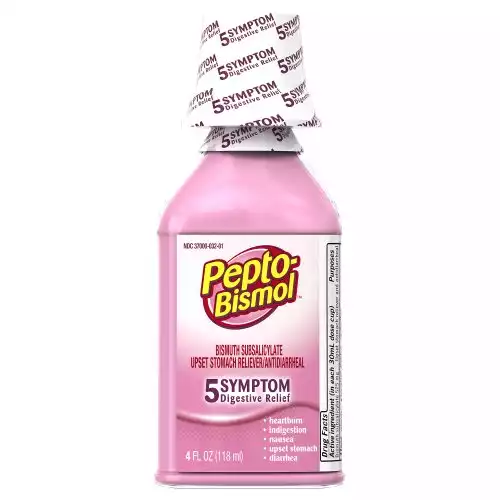
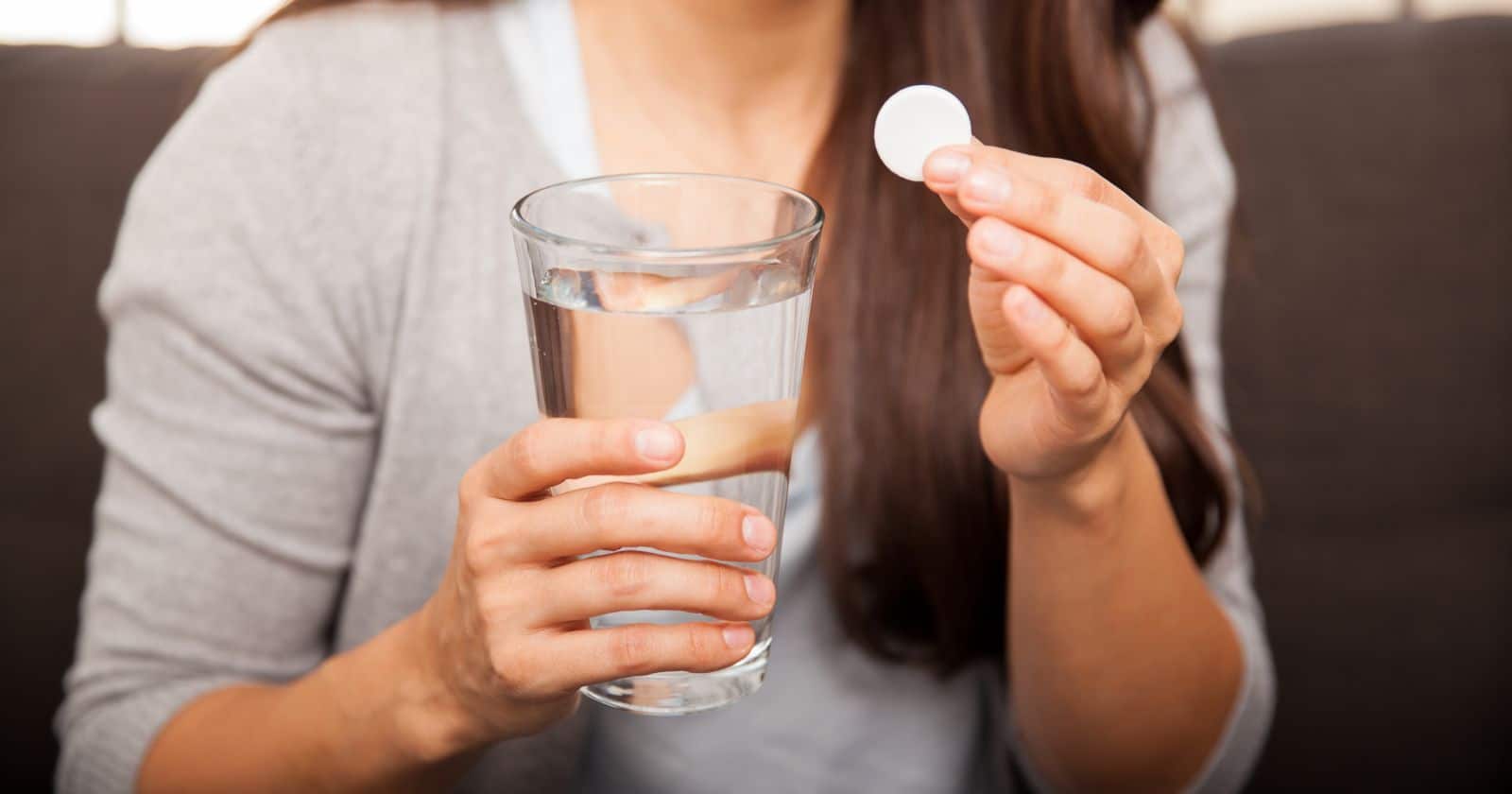
The pink bottle sits in medicine cabinets across America, promising relief from digestive distress. Yet should you take pepto before eating spicy foods remains one of the most misunderstood questions among heat-seekers. Here’s what the research reveals about timing, effectiveness, and smarter alternatives for protecting your stomach.
How Pepto-Bismol Works in Your Digestive System
Pepto-Bismol functions as a digestive tract protector, not a stomach acid neutralizer. The medication coats your esophagus, stomach, and intestinal lining with a protective barrier while reducing inflammation and fighting harmful bacteria.
What Is Bismuth Subsalicylate?
Bismuth subsalicylate breaks down in your stomach into two components: bismuth and salicylic acid. The bismuth stays in your gastrointestinal tract, forming protective compounds. The salicylic acid absorbs into your bloodstream, providing anti-inflammatory effects similar to aspirin.
- Bismuth component: Remains in the gut, creates antimicrobial barrier
- Salicylic acid component: Reduces inflammation throughout digestive tract
- Combined effect: Decreases fluid secretion into intestines
- Onset time: Takes 30 to 60 minutes to reach full effectiveness
This dual mechanism explains why Pepto works well for multiple symptoms. The StatPearls medical database confirms bismuth subsalicylate’s unique ability to address inflammation while providing physical protection.
The Protective Coating Mechanism
The medication creates a physical shield over your stomach’s mucosal tissue. This barrier separates sensitive tissue from irritants, including stomach acid and spicy food compounds.
Think of it as applying a temporary bandage inside your digestive system. The coating helps existing irritation heal while preventing direct contact between your stomach lining and potential irritants.
| Property | Pepto-Bismol | True Antacids |
|---|---|---|
| Primary Action | Coats stomach lining | Neutralizes acid |
| Speed of Relief | 30-60 minutes | 5-15 minutes |
| Treats Diarrhea | Yes | No |
| Acid Reduction | Mild | Strong |
| Duration | Several hours | 30-60 minutes |
One critical distinction: Pepto-Bismol is classified as an antidiarrheal agent, not an antacid. While it offers mild acid-neutralizing properties, its strength lies in coating and protecting rather than chemical neutralization. The NHS emphasizes this protective mechanism as the medication’s primary benefit.
Why Spicy Foods Cause Stomach Upset
Capsaicin triggers your body’s pain receptors, creating sensations identical to actual burns. Your digestive system responds to this chemical assault with inflammation, increased mucus production, and accelerated gut movement.
Capsaicin and Your Digestive Tract
Capsaicin binds to TRPV1 receptors lining your mouth, stomach, and intestines. These specialized nerve sensors normally detect dangerous heat levels. Capsaicin tricks them into firing pain signals even though no actual heat damage occurs.
Your body responds defensively:
- Increased stomach acid production to break down the perceived threat
- Accelerated intestinal contractions pushing food through faster
- Enhanced mucus secretion attempting to protect tissue
- Localized inflammation as immune cells respond to the alarm
The Cleveland Clinic notes that genetics determine how many TRPV1 receptors you possess. This explains why your friend devours ghost peppers while you struggle with mild salsa.
Common Symptoms After Eating Spicy Food
Your reaction depends on receptor density, tolerance level, and the specific dish consumed. Most people experience predictable patterns.
- Heartburn: Stomach acid splashes into esophagus, burning unprotected tissue
- Stomach cramps: Intestinal muscles contract forcefully in response to capsaicin
- Diarrhea: Accelerated gut motility prevents proper water absorption
- Nausea: Body’s attempt to reject the perceived irritant
- Burning during elimination: Capsaicin remains active throughout digestion
Individual tolerance varies dramatically. Regular spice consumers develop desensitized TRPV1 receptors over time. Research from the Royal Society of Chemistry shows that people with IBS experience heightened visceral sensitivity, making spicy foods particularly problematic.
Can You Take Pepto-Bismol Before Eating Spicy Food?
Taking Pepto-Bismol before spicy food is safe but not clinically recommended. The medication was designed and tested for treating existing symptoms, not preventing them from occurring.
What the Research Says
No clinical studies directly evaluate preventive Pepto-Bismol use for spicy food consumption. Available research focuses entirely on symptom treatment after digestive distress develops.
Healthcare providers advise avoiding trigger foods rather than relying on preemptive medication. Lifestyle modifications remain the first line of defense against spicy food discomfort.
Here’s the timing problem: Pepto-Bismol requires 30 to 60 minutes to provide full protective coating. Taking it immediately before eating leaves your stomach unprotected during the meal itself.
Preventive vs. Reactive Use
The medication excels at reactive treatment. Once heartburn, nausea, or diarrhea develops, Pepto-Bismol addresses symptoms effectively.
| Use Type | Evidence Level | Effectiveness | Recommendation |
|---|---|---|---|
| Reactive (after symptoms) | Strong clinical support | High | Recommended |
| Preventive (before meals) | Anecdotal only | Unknown | Not recommended |
| Traveler’s diarrhea prevention | Some clinical support | Moderate | Situational use |
Some people report success with preventive dosing. These accounts remain anecdotal without controlled studies verifying effectiveness. The Mayo Clinic maintains that bismuth subsalicylate works best when irritation already exists for the coating to protect.
Proper Timing and Dosage for Pepto-Bismol
If you choose preventive use despite limited evidence, timing matters significantly. The medication needs adequate time to distribute throughout your digestive tract before spicy food arrives.
When to Take Pepto for Best Results
Take Pepto-Bismol at least 45 minutes before eating if using preventively. This allows the coating mechanism to fully develop throughout your stomach and upper intestines.
For reactive use after symptoms appear:
- Take initial dose at first sign of discomfort
- Wait 30 minutes before expecting relief
- Repeat dose if symptoms persist after one hour
- Space doses 30 to 60 minutes apart as needed
The GoodRx dosage guide confirms this timing window for optimal absorption and distribution.
Recommended Dosage Guidelines
Standard adult dosing varies by product formulation. Exceeding limits increases risk of side effects including confusion, dizziness, and tinnitus.
| Product Form | Single Dose | Maximum Daily |
|---|---|---|
| Original Liquid | 30 mL | 240 mL (8 doses) |
| Ultra-Strength Liquid | 15 mL | 120 mL (8 doses) |
| Tablets/Caplets | 2 tablets | 16 tablets |
| Pepto Diarrhea Liquid | 10 mL | 80 mL (8 doses) |
Children under 12 require pediatric formulations or physician guidance. The official Pepto-Bismol FAQ provides complete age-specific recommendations.
Important Safety Considerations
Bismuth subsalicylate carries significant contraindications that many users overlook.
- Aspirin allergies: Salicylate component creates cross-reactivity risk
- Blood thinners: Increases bleeding risk when combined with warfarin
- Viral infections in children: Risk of Reye’s syndrome in teens and kids
- Kidney disease: Reduced clearance increases toxicity risk
- Pregnancy: Not recommended without physician approval
Never use for more than two consecutive days without consulting a healthcare provider. Black stool and tongue discoloration are harmless bismuth sulfide reactions, but persistent symptoms warrant medical attention.
Pepto-Bismol vs. Antacids: Which Is Better for Spicy Food?
Your symptom type determines the better choice. Antacids neutralize acid rapidly for heartburn relief, while Pepto-Bismol addresses broader digestive distress including nausea and diarrhea.
How Antacids Like Tums Work
Tums and similar antacids contain calcium carbonate, which chemically neutralizes stomach acid within minutes. The reaction converts hydrochloric acid into water, carbon dioxide, and calcium chloride.
This makes antacids superior for:
- Pure heartburn without other digestive symptoms
- Immediate relief needs when discomfort strikes mid-meal
- Acid-focused problems without diarrhea or nausea
Antacids provide faster relief but narrower coverage. They do nothing for intestinal symptoms or bacterial overgrowth.
Choosing the Right Medication for Your Symptoms
Match your dominant symptom to the appropriate medication.
| Primary Symptom | Better Choice | Why |
|---|---|---|
| Heartburn only | Tums/antacids | Faster acid neutralization |
| Nausea | Pepto-Bismol | Anti-inflammatory coating |
| Diarrhea | Pepto-Bismol | Reduces intestinal fluid loss |
| Stomach cramps | Pepto-Bismol | Coating reduces irritation |
| Mixed symptoms | Pepto-Bismol | Broader symptom coverage |
The Doctronic medical comparison emphasizes that understanding your specific symptoms empowers better medication selection. For spicy food specifically, heartburn sufferers benefit more from antacids, while those experiencing fuller digestive upset find Pepto-Bismol more helpful.
Natural Alternatives to Prevent Spicy Food Discomfort
Dietary strategies outperform medications for spicy food preparation. Certain foods create protective barriers while others neutralize capsaicin before it causes problems.
Foods That Help Before Spicy Meals
Dairy products containing casein offer the most effective natural protection. Casein protein surrounds capsaicin molecules and washes them away, functioning like dish soap cutting through grease.
Best pre-spicy meal options:
- Whole milk: Fat content enhances casein effectiveness
- Greek yogurt: Thick consistency coats stomach thoroughly
- Cottage cheese: High casein concentration
- Sour cream: Pairs naturally with many spicy cuisines
A 2019 comparative study found that among seven beverages tested, only skim milk, whole milk, and cherry Kool-Aid significantly reduced spicy food burn. The Houston Methodist research confirms plant-based milks lack casein and provide no capsaicin neutralization.
Starchy carbohydrates create physical barriers:
- Rice: Absorbs capsaicin oil, prevents spreading
- Bread: Creates stomach lining buffer
- Tortillas: Traditional pairing with spicy foods for good reason
- Potatoes: Bland starch absorbs irritating compounds
Herbal Remedies and Drinks
Peppermint tea relaxes digestive tract muscles, reducing cramping and spasms. The University of Nebraska health resources note peppermint’s centuries-long use for gastrointestinal ailments.
Ginger accelerates stomach emptying and provides anti-inflammatory benefits:
- Fresh ginger tea before meals
- Ginger chews during spicy food consumption
- Ginger supplements for chronic digestive support
Avoid these during spicy meals:
- Water (spreads capsaicin rather than neutralizing)
- Alcohol (intensifies burning sensation)
- Carbonated beverages (increase stomach pressure)
- Coffee (stimulates additional acid production)
Building Your Spicy Food Tolerance Over Time
Gradual exposure desensitizes TRPV1 receptors permanently. Regular spice consumption creates lasting tolerance without ongoing medication dependence.
Gradual Exposure Method
Most people double their spice tolerance within 4 to 6 weeks of consistent practice. Increase heat levels by 10 to 20 percent weekly for safe progression.
Weeks 1-2: Mild heat introduction
– Poblano peppers (1,000-1,500 Scoville units)
– Mild salsas and paprika
– Small amounts of sriracha in familiar dishes
Weeks 3-4: Medium heat exploration
– Jalapeños (2,500-8,000 Scoville units)
– Serrano peppers in moderation
– Medium hot sauces
Weeks 5-6: Advancing heat levels
– Cayenne pepper (30,000-50,000 Scoville units)
– Thai chilies in stir-fries
– Hot curry preparations
The Alibaba spice guide confirms noticeable tolerance changes around week three, with full adaptation to very spicy foods requiring 2 to 3 months of consistent exposure.
Tips for Enjoying Spicy Food Without Medication
Build sustainable tolerance through smart practices:
- Eat spicy foods 2-3 times weekly for consistent receptor desensitization
- Pair with cooling dairy to manage immediate discomfort during tolerance building
- Start meals with starchy base before introducing heat
- Chew thoroughly to spread capsaicin gradually rather than concentrated bursts
- Avoid eating spicy food on empty stomach where irritation intensifies
Capsaicin triggers endorphin release, creating the “spice high” many enthusiasts chase. The Lafayette Chiropractic wellness guide notes these natural painkillers improve mood and reduce stress, rewarding tolerance building with genuine physiological benefits.
When to See a Doctor About Spicy Food Reactions
Most spicy food discomfort resolves within hours without intervention. Certain symptoms require immediate medical attention or ongoing professional care.
Seek emergency treatment immediately for:
- Difficulty breathing or throat swelling
- Severe drop in blood pressure or fainting
- Lips, tongue, or skin turning blue or pale
- Intense abdominal pain with vomiting
- Confusion or loss of consciousness
These symptoms indicate potential anaphylaxis, a life-threatening allergic reaction requiring immediate epinephrine. Untreated anaphylaxis becomes fatal rapidly.
Schedule a doctor visit for:
- Recurring digestive symptoms after spicy food consumption
- Hives or widespread rash appearing 2 to 4 hours after eating
- Persistent vomiting or stomach cramps lasting beyond one day
- Pattern of problems that interfere with food enjoyment
People with IBS, GERD, or inflammatory bowel conditions require special guidance. Spicy foods trigger symptom flares in these populations, and medication strategies differ from general recommendations.
The Columbia Doctors medical team clarifies an important distinction: digestive reactions to spicy food rarely indicate true allergies. Most represent irritation or intolerance rather than immune-mediated responses. Proper diagnosis prevents unnecessary dietary restrictions while identifying treatable underlying conditions.
FAQ
Does Pepto-Bismol prevent heartburn from spicy food?
Pepto-Bismol was not designed for heartburn prevention. While its coating mechanism offers some protective benefit, antacids like Tums neutralize stomach acid faster and more effectively for heartburn specifically. Use Pepto-Bismol for broader digestive symptoms including nausea and diarrhea.
How long before eating should I take Pepto-Bismol?
If using preventively, take Pepto-Bismol at least 45 minutes before your meal. The medication requires 30 to 60 minutes to distribute throughout your digestive tract. Taking it immediately before eating provides minimal protection during actual food consumption.
Why does milk help with spicy food but water doesn’t?
Milk contains casein protein, which binds to capsaicin and washes it away from your mouth’s pain receptors. Water only spreads the oil-based capsaicin compound around, intensifying and prolonging the burning sensation. Full-fat dairy works better than skim.
Can I take Pepto-Bismol every day for spicy food tolerance?
Never use Pepto-Bismol for more than two consecutive days without physician guidance. Regular use increases risk of salicylate toxicity, causing symptoms like ringing in ears, confusion, and dizziness. Build natural tolerance through gradual exposure instead.
Is black stool after taking Pepto-Bismol dangerous?
Black stool and tongue discoloration are harmless reactions to bismuth compounds. The bismuth combines with trace sulfur in your saliva and digestive tract, creating bismuth sulfide with a black color. This effect disappears within several days after stopping the medication.
What’s the fastest way to stop spicy food burning?
Drink whole milk or eat full-fat yogurt immediately. The casein protein neutralizes capsaicin within seconds. If dairy is unavailable, starchy foods like bread or rice absorb some capsaicin oil. Avoid water, alcohol, or carbonated drinks, which spread or intensify the burn.
Do spicy food reactions mean I have a food allergy?
Digestive discomfort from spicy food rarely indicates true allergy. Most reactions represent irritation or intolerance rather than immune responses. True food allergies cause symptoms like hives, throat swelling, or breathing difficulty. Consult an allergist if you experience these severe reactions.
Should I eat before or after taking antacids for spicy meals?
Take antacids immediately before or during spicy food consumption for best results. Unlike Pepto-Bismol, antacids work within minutes by directly neutralizing stomach acid. Having them ready during the meal allows immediate response when heartburn begins.