
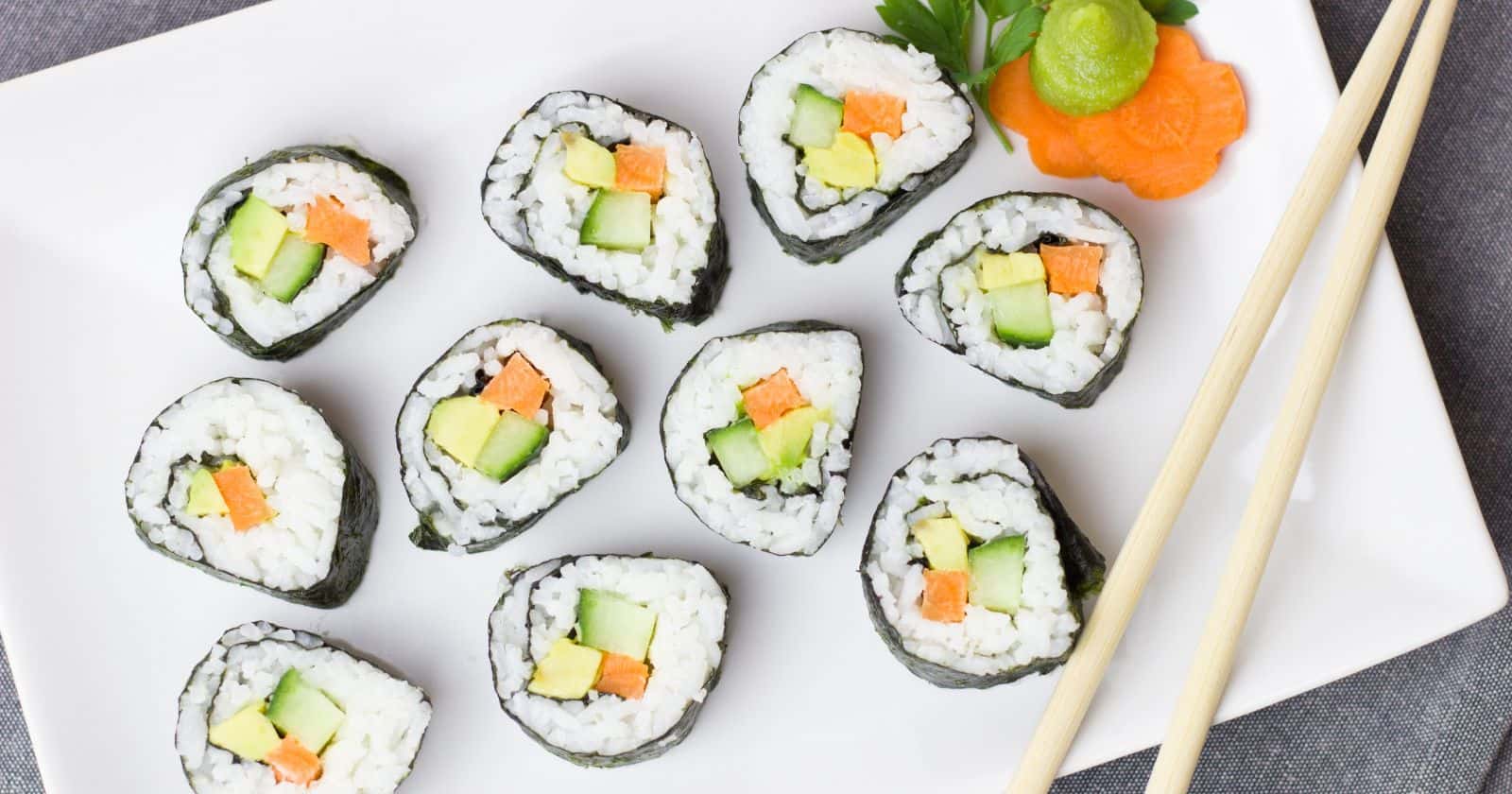
How Much Sushi Is in a Roll? Complete Portion Guide for Every Occasion

A standard sushi roll contains 6 to 8 pieces, enough to satisfy a light appetite or serve as part of a larger meal. Most people eat 2 to 3 rolls when sushi is the main course, totaling 12 to 24 pieces per person. This guide breaks down exactly how much sushi you need for any occasion, from solo dinners to party platters.

How Many Pieces of Sushi Are in a Standard Roll?

Close-up view of a sliced sushi roll showing individual pieces arranged in a standard serving portion

Most sushi restaurants cut their rolls into 6 to 8 individual pieces. The exact count depends on the roll style, ingredient density, and the chef’s preference. American-style sushi bars typically serve 8 pieces per roll, while traditional Japanese establishments often cut rolls into 6 pieces.

Each roll contains approximately 1/3 cup of cooked sushi rice and about 2 ounces of seafood or fillings. The rice alone contributes 80 to 100 calories per roll, which explains why even simple fish rolls pack more calories than you might expect.

Maki Rolls (6-8 Pieces)

Standard maki rolls fall into two distinct categories based on thickness. Hosomaki (thin rolls) use a half-sheet of nori and contain a single ingredient like tuna or cucumber. These get cut into 6 pieces and work well as appetizers or side items.

Futomaki (thick rolls) use a full nori sheet and pack multiple fillings inside. These measure 2 to 2.5 inches in diameter and get sliced into 6 to 8 pieces. Each piece is substantially more filling than a thin roll piece.

Roll Type Nori Size Typical Fillings Pieces Per Roll Best For
Hosomaki Half sheet Single ingredient 6 Appetizers, light meals
Futomaki Full sheet 3-5 ingredients 6-8 Main course
Uramaki Full sheet (inside-out) Multiple + toppings 8 American-style dining

Specialty Rolls and Variations

Specialty rolls like Dragon, Rainbow, and Spider rolls follow different rules. These often feature additional toppings draped over the outside, increasing both portion size and calorie count. A Rainbow roll tops a California roll base with assorted sashimi, pushing calories to 400 or more per roll.

Tempura rolls contain battered, fried ingredients that significantly boost the calorie density. A Shrimp Tempura roll clocks in around 500 to 550 calories for 8 pieces, nearly double a basic tuna roll. The crunch factor comes at a nutritional cost.

Nigiri vs Roll Portions

Nigiri and rolls serve different purposes in a sushi meal. Nigiri features a slice of fish over a small rice mound, typically served in pairs. Each piece contains 0.5 to 1 ounce of fish on about 20 grams of rice.

Rolls pack more rice per serving and often include multiple ingredients plus sauces. When counting pieces of sushi per person, two pieces of nigiri roughly equal one roll piece in terms of satisfaction. Mix both styles for a balanced meal that showcases different textures and flavors.

How Many Sushi Rolls Per Person? Serving Guidelines

Visual guide showing multiple sushi rolls arranged to demonstrate proper serving portions per person

Plan on 2 to 3 rolls per adult when sushi is the main course. This provides 12 to 24 pieces total, enough variety to sample different flavors without overordering. Lighter eaters or those enjoying side dishes need only 1 to 2 rolls.

The typical sushi consumption pattern varies significantly based on appetite and occasion. Someone grabbing a quick lunch might eat 6 pieces, while a dedicated sushi dinner easily hits 16 to 20 pieces per person.

Light Meal vs Full Dinner Portions

A light sushi meal pairs 1 to 2 rolls with miso soup or edamame. This 6 to 12 piece range works when sushi accompanies other courses or when you want a satisfying but not stuffing meal.

Full dinner portions jump to 2 to 3 rolls minimum. Sushi enthusiasts regularly consume 16 to 20 pieces when rolls are the entire meal. For buffet-style service with multiple dishes, scale back to 4 to 6 pieces per person.

Meal Context Pieces Per Person Rolls Per Person Notes
Appetizer only 4-6 0.5-1 Paired with other courses
Light meal 6-12 1-2 With soup or salad
Full dinner 12-20 2-3 Sushi as main course
Sushi lover 18-24+ 3+ For big appetites

Appetite Variations to Consider

Big eaters need 3 or more rolls to feel satisfied. Scale portions up 25% when hosting known sushi enthusiasts or hungry crowds. Athletes and active individuals often fall into this category.

Light eaters and those unfamiliar with sushi do fine with 1 to 1.5 rolls. Watch for guests who fill up on edamame and miso soup before the main course arrives. These side dishes reduce sushi consumption noticeably.

Age-Based Recommendations

Children under 10 typically eat 1 roll or fewer, around 6 to 8 pieces maximum. Kid-friendly options like California rolls or cucumber rolls work best. Avoid raw fish for young children due to food safety considerations.

Teenagers eat adult portions or more. Growing appetites mean planning for 2 to 3 rolls per teen, sometimes exceeding adult consumption. When ordering for mixed-age groups, calculate teens at adult levels.

Sushi Party Planning: Calculating Rolls for Groups

Use the formula: number of guests × 2.5 rolls for reliable sushi party planning. This accounts for varying appetites and ensures adequate variety without excessive waste. Round up for hungry crowds, down for groups with many light eaters.

A party of 10 needs 25 to 30 rolls total. Twenty guests require 50 to 60 rolls. These numbers assume sushi is the primary food. Cut quantities by 30% when serving substantial appetizers or other main dishes alongside sushi.

Formula for Calculating Total Rolls

Start with guest count and multiply by your chosen per-person estimate. Add 10% extra for unexpected appetites or last-minute additions. The math is straightforward:

  • 5 guests: 12-15 rolls (72-120 pieces)
  • 10 guests: 25-30 rolls (150-240 pieces)
  • 20 guests: 50-60 rolls (300-480 pieces)
  • 50 guests: 125-150 rolls (750-1,200 pieces)

For groups over 20, order in waves if possible. Fresh sushi tastes dramatically better than rolls that sat on a platter for two hours.

Variety Recommendations for Different Group Sizes

Small gatherings (5-10 people) benefit from focused variety. Order 60% crowd-pleasers like California and spicy tuna rolls, 40% specialty options for adventurous eaters. This ratio satisfies everyone without creating leftover piles of unpopular rolls.

Larger parties need broader selection. Aim for 8 to 12 different roll types for groups over 15. Include at least 2 vegetarian options and 1 cooked-fish roll for guests avoiding raw seafood. School of Sushi recommends this balanced approach for crowd satisfaction.

Budget Considerations Per Guest

Restaurant sushi runs $4 to $7 per roll, putting per-person costs at $10 to $21 for 2-3 rolls. Specialty rolls push this higher, sometimes reaching $15 per roll for premium ingredients. Budget $20 to $35 per guest for a satisfying variety.

  • Basic rolls (California, tuna, salmon): $4-6 each
  • Specialty rolls (Dragon, Rainbow): $10-15 each
  • Platters (30-40 pieces): $35-60
  • Catering trays (50+ pieces): $50-100+

Platters offer better value than individual rolls when feeding groups. A 40-piece platter at $50 beats ordering 5 individual rolls at $12 each. Check restaurant pricing structures before placing large orders.

Nutritional Breakdown: Calories and Health Considerations

A typical sushi roll contains 200 to 500 calories, with simple fish rolls on the lower end and specialty rolls with sauces and fried ingredients at the top. The rice contributes 80 to 100 calories per roll before you add any fillings.

Understanding sushi calories helps with portion decisions. Two California rolls equal roughly 500 to 600 calories, a reasonable dinner. Two tempura rolls push past 1,000 calories, approaching fast-food territory.

Calorie Count Per Roll Type

Roll Type Calories (6-8 pieces) Protein Primary Calorie Source
Cucumber Roll 135-150 3g Rice
Tuna Roll 180-200 12g Rice, fish
California Roll 250-300 9g Rice, avocado
Spicy Tuna Roll 290-320 14g Rice, mayo, fish
Shrimp Tempura 500-550 15g Fried batter, rice
Dragon Roll 450-500 18g Eel, avocado, sauce

The calorie jump between basic and specialty rolls is significant. Simple fish rolls keep calories moderate while delivering protein. Once sauces and fried elements enter, calorie counts climb rapidly.

Healthier Sushi Choices

Sashimi eliminates rice entirely, dropping calorie counts dramatically. Three pieces of salmon sashimi contain about 120 calories versus 250+ for a salmon roll. This trade works well for those watching carbohydrate intake.

Brown rice sushi reduces glycemic impact and adds fiber. Request it when available, though texture differs from traditional sushi rice. Avoid mayo-based sauces, cream cheese, and tempura to keep rolls in the 200-300 calorie range.

Dietary Restrictions and Alternatives

Vegetarian sushi options include avocado rolls, cucumber rolls, and vegetable tempura rolls. These range from 140 to 400 calories depending on preparation. Inari (tofu pocket) sushi offers another plant-based option.

Gluten-free diners need tamari sauce instead of regular soy sauce, which contains wheat. The fish and rice are naturally gluten-free. Avoid tempura and any rolls with imitation crab, which often contains wheat-based binders. Healthline provides detailed nutritional breakdowns for informed ordering.

Restaurant vs Delivery: Ordering the Right Amount

Restaurant portions vary more than delivery portions. Chefs at sit-down establishments adjust piece sizes based on presentation and plate size. Delivery sushi follows standardized portions for consistent packaging.

Both settings use the same 6 to 8 pieces per roll standard. The difference lies in execution. Restaurant pieces sometimes run larger, while delivery packaging compacts everything to fit containers.

Dine-In Ordering Tips

Ask your server about roll sizes if the menu lacks specifics. Some restaurants cut specialty rolls into 10 pieces while keeping basic rolls at 6. Pricing per piece varies accordingly.

Order in stages when dining in. Start with 2 rolls per person, then add more if needed. Fresh-made second orders taste better than overcrowded first orders sitting on the table. Watch the rice texture. It changes noticeably after 20 minutes at room temperature.

Delivery and Takeout Considerations

Delivery menus typically list piece counts per roll. Read these carefully. A $15 “premium” roll with 6 pieces costs more per piece than a $9 basic roll with 8 pieces. Do the math before ordering.

Check reviews for portion accuracy. Some delivery establishments underfill rolls compared to menu photos. Regular customers report these issues in reviews. A few minutes of research prevents disappointment.

Timing matters for delivery sushi. Order for immediate consumption rather than hours in advance. Sushi quality drops noticeably after sitting in delivery containers. The rice hardens, nori gets soggy, and fish warms to unsafe temperatures.

Storing Leftover Sushi: Freshness and Safety Guidelines

Leftover sushi stays safe for consumption within 24 hours when refrigerated properly. After this window, texture degrades significantly and food safety risks increase, especially for raw fish rolls.

The clock starts when sushi reaches room temperature. Restaurant leftovers already spent time in transit. Homemade sushi fresh from preparation lasts the full 24 hours under proper storage conditions.

How Long Does Sushi Last?

Raw fish sushi requires the strictest attention. Consume within 12 to 18 hours for best quality and safety. The fish begins breaking down quickly once sliced and exposed to air.

Cooked rolls (California, eel, shrimp tempura) handle storage better. These remain acceptable for the full 24-hour window. The imitation crab in California rolls is already processed, reducing bacterial growth risk compared to raw alternatives.

Proper Storage Methods

Wrap sushi tightly in plastic wrap or store in airtight containers. Press out excess air before sealing. Refrigerate immediately at 40°F (4°C) or below. Never leave sushi at room temperature for more than 2 hours.

Some rolls store better than others:

  • Store well: California rolls, eel rolls, cooked shrimp rolls
  • Store poorly: Raw fish rolls, anything with avocado
  • Avoid storing: Tempura rolls (breading gets soggy immediately)

Eat leftover sushi cold rather than reheating. Warming changes rice texture and creates food safety concerns with fish. If sushi smells off, appears slimy, or shows discoloration, discard it regardless of time elapsed.

FAQ

How many sushi rolls should I order for 10 people?

Order 25 to 30 rolls for 10 guests when sushi is the main course. This provides 2.5 to 3 rolls per person, ensuring variety and adequate portions. Include at least 6 different roll types to accommodate different preferences.

Is 3 sushi rolls too much for one person?

Three rolls (18-24 pieces) falls within normal consumption for a full dinner. This amount satisfies most adults when sushi is the only course. Lighter eaters or those watching calories should stick to 2 rolls maximum.

What is a normal serving of sushi?

A normal serving ranges from 6 to 12 pieces for a light meal and 12 to 16 pieces for a full dinner. Restaurant sushi platters typically assume 10 to 12 pieces per person when other dishes are present.

How much sushi rice do I need per roll?

Use approximately 1/3 cup of cooked sushi rice per standard roll. This translates to about 1 cup of cooked rice for every 3 rolls. When making sushi at home, prepare 1 cup of cooked rice per guest assuming 2-3 roll consumption.

Are sushi rolls high in calories?

Calorie content varies dramatically by roll type. Basic fish rolls contain 180 to 250 calories, while specialty rolls with sauces and fried ingredients reach 450 to 550 calories. Rice contributes 80 to 100 calories per roll regardless of filling.

How many California rolls equal a meal?

Two California rolls (16 pieces, approximately 500-600 calories) constitute a reasonable meal for most adults. This provides adequate protein from the crab and healthy fats from avocado while keeping calories moderate.

Should I order individual rolls or a platter?

Platters offer better value for groups of 4 or more. Individual rolls work better for couples or solo diners who want specific varieties. Compare per-piece pricing before deciding. Platters often include less popular rolls to balance costs.

How do I know if leftover sushi is still safe to eat?

Fresh sushi should smell clean and oceanic, not fishy or sour. The rice should feel slightly firm, not hard or mushy. Discard any sushi that looks slimy, discolored, or has been stored longer than 24 hours regardless of appearance.

Share your love
Bill Kalkumnerd
Bill Kalkumnerd

I am Bill, I am the Owner of HappySpicyHour, a website devoted to spicy food lovers like me. Ramen and Som-tum (Papaya Salad) are two of my favorite spicy dishes. Spicy food is more than a passion for me - it's my life! For more information about this site Click

Leave a Reply

Your email address will not be published. Required fields are marked *