Want to add some smoky, earthy flavor to your meals? Look no further than black cardamom.
This aromatic
Still, it has only gained attention in the broader culinary world over the past few decades.
Black cardamom—not to be confused with its milder cousin, green cardamom—has a distinctive flavor that can enhance any dish, from Middle Eastern stews to Indian curries to Southern pies.
But apart from offering an unbeatable taste experience, there may also be surprising health benefits associated with this
Whether you’re looking for a new addition to your pantry or curious about what this mysterious plant can do, this guide is here to help you understand why black cardamom should become a must-have item in your cooking arsenal.
Introduction To Black Cardamom: What Is It And How Is It Different From Green Cardamom?
Cardamom is a

Green cardamom pods are harvested before they reach maturity and are often used whole.
The ground from the pod was found to be the “most vibrant and balanced,” according to one study.
The pod and the green cardamom seeds are utilized to flavor the

Black cardamom (Amomum subulatum) is less common but has a warm aromatic flavor stronger than green cardamom.
Before it can be used as a
It’s often used in savory dishes like curries or stews and desserts like cakes or puddings for its unique flavor.

White cardamom is just bleached green cardamom, which gives it its pale color but is significantly less flavorsome than its darker counterparts.
As such, many chefs have reported that using white cardamom was a significant disappointment compared to other varieties of this popular
When cooking with any cardamom, you should consider adding more than what your recipe calls for if you want an intense flavor profile.
History And Cultural Significance Of Black Cardamom In Cooking
Black cardamom is one of the oldest spices known to date, and it has been used for centuries in many different cultures.
It was a principal
The ancient Egyptians were believed to have been the first people to derive benefits from cardamom.
Today, black cardamom is popular in Indian dishes and is more of a warm
When used whole in dishes, black cardamom seeds provide a mysterious, almost bacony flavor that elevates any dish.

Cardamom fruits may be collected from wild plants native to the moist forests of southern India, but most cardamom is cultivated in India, Sri Lanka, Nepal, Guatemala, and Tanzania.
Cardamom pods may be used whole or ground into a powder as a seasoning or flavoring agent.
Black cardamom has historically been less expensive than green cardamom due to its abundance in certain regions; however, because it takes black cardamom to impart the same flavor as green cardamom, recipes using black cardamom generally require significantly more black cardamom than would be needed if green were used instead.
As such, understanding how much of this powerful
Flavor Profile Of Black Cardamom
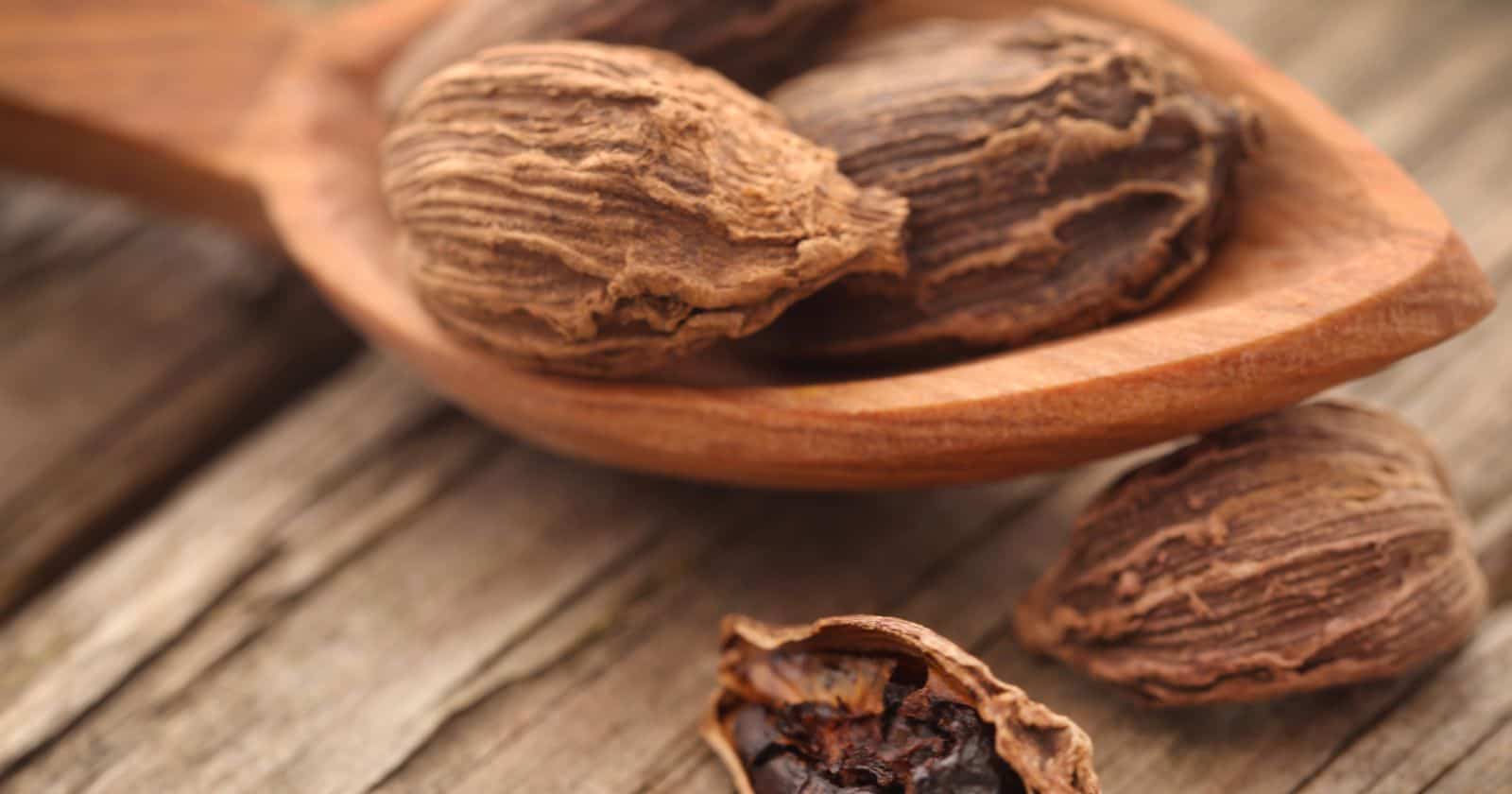
Black cardamom pods are more prominent, brownish-black, and have a distinct smoky smell and flavor.
It has an earthy, smokey, and soft taste that is quite different from green cardamom’s intense aroma and flavor (chhoti elaichi).
Black cardamoms are traditionally smoke-dried, giving them a bold and assertive flavor with a strong aroma.
They can be used as whole pods or ground into powder for dishes like curries, tandoori chicken, rice pilafs, and more.
The smoky flavor of black cardamom adds depth to savory dishes; it pairs well with cumin seeds for added warmth.
It can also be used as an aromatic blend for marinades or rubs for grilling meats.
Health Benefits Of Black Cardamom
Black cardamom is a
It’s believed to have many health benefits, including relieving digestive problems, reducing inflammation, and improving respiratory health.
Black cardamom has antibacterial properties that can help fight infections and reduce inflammation.
It also contains compounds beneficial for digestion, such as dietary fiber and essential oils.
The essential oils in black cardamom can help improve digestion by stimulating the production of digestive juices like bile and gastric acid.
Furthermore, black cardamom’s carminative properties can help reduce bloating and gas.
Not only does it aid in digestion, but it also helps with other ailments, such as constipation and dysentery.
Black cardamom is believed to be an effective remedy against these conditions due to its laxative properties, which promote healthy bowel movements.
Additionally, its expectorant properties make it helpful in treating respiratory illnesses like bronchitis or asthma by helping clear mucus from the lungs.
Savory Dishes That Feature Black Cardamom
Black cardamom is a popular
Here are some savory dishes that feature black cardamom:
Biryani

This fragrant rice dish from the Indian subcontinent is often flavored with black cardamom and other spices like cinnamon, cloves, and bay leaves.
The smoky flavor of black cardamom adds depth and complexity to the dish.
Rogan Josh

This classic Kashmiri lamb dish is made with a tomato-based sauce and a blend of spices, including black cardamom.
The kick contributes a warm, slightly smoky flavor to the dish.
Chana Masala

This spicy chickpea dish from northern India is often seasoned with black cardamom and other spices like cumin, coriander, and chili powder.
The cardamom adds a subtle smokiness to the dish.
Char Siu

This Chinese barbecued pork dish features a marinade made with black cardamom and other spices like star anise, cinnamon, and clove.
The smoky flavor of the cardamom pairs well with the sweet and savory flavors of the pork.
Nihari

This rich, slow-cooked beef stew from Pakistan is traditionally seasoned with black cardamom and other spices like cumin, coriander, and fennel.
The cardamom adds a warm, smoky flavor to the dish.
How To Use Black Cardamom In Cooking
Black cardamom is a versatile
- Use it sparingly: Black cardamom has a strong and intense flavor, so it’s best to use it in small quantities. A little goes a long way, and too much can overpower the other flavors in your dish.
- Toast it before using: Toasting black cardamom can help to release its essential oils and enhance its flavor. Heat a dry skillet over medium heat and add the cardamom pods. Cook for a few minutes, shaking the pan occasionally until the pods are fragrant and lightly toasted.
- Use it in savory dishes: Black cardamom is commonly used in dishes like stews, curries, and rice. Its smoky flavor pairs well with meat, vegetables, and rice.
- Pair it with other spices: Black cardamom works well with cumin, coriander, cinnamon, and cloves. Try combining it with these spices to create a complex and flavorful seasoning blend.
- Use it in marinades: Black cardamom can add a delicious smoky flavor. Add it to a marinade for meat, tofu, and other spices like cumin, coriander, and chili powder.
- Crush the pods before using: Black cardamom pods can be tricky and challenging to break down. Try crushing them lightly with a rolling pin or the back of a knife before using them in your recipe. This will help to release the flavor and make it easier to remove the pods before serving.
Black Cardamom Substitutes: Alternatives For When You Can’t Find It
If you can’t find black cardamom at the store, don’t fret! You can use several substitutes to add a similar depth of flavor to your dishes.
Here are a few:
Green Cardamom
Green cardamom is the closest substitute to black cardamom, as they both have a similar flavor profile.
However, green cardamom has a sweet and citrusy taste, while black cardamom has a more intense smoky flavor.
Cinnamon and Cloves
A combination of cinnamon and cloves is an excellent alternative to black cardamom. This duo offers a warm and spicy flavor that can work well in many recipes.
Cinnamon and Nutmeg
Another great alternative to black cardamom is a mix of cinnamon and nutmeg. This combination provides a unique aroma and taste that can enhance any dish.
Cinnamon and Allspice or Ginger
Try mixing equal parts of cinnamon and allspice or cinnamon and ginger for an even more flavorful option.
These ingredients will provide your dish with the added depth of flavor without overpowering the other flavors in your recipe.
Despite the unavailability of black cardamom in your local grocery store, these ingredients are excellent substitutes.
Whether you opt for green cardamom or any of the combinations mentioned above, you can rest assured that your dish will still taste delicious.
Where to Buy Black Cardamom?
Black cardamom is a popular
It can be purchased from online retailers such as Amazon and Walmart, local
These stores can provide high-quality black cardamom for cooking needs.
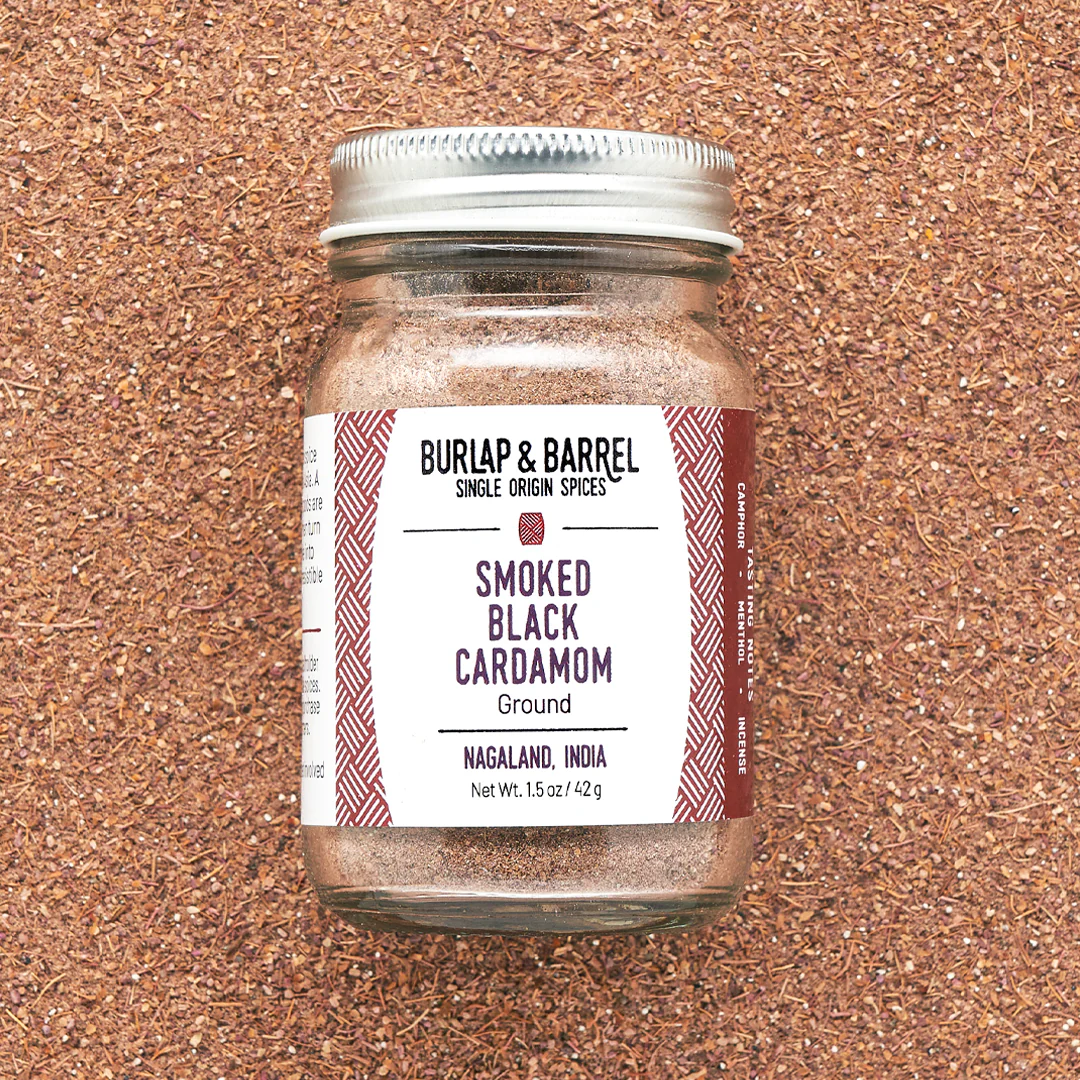
Smoked Black Cardamom is a complex spice beloved across South and Central Asia.
A larger cousin of cardamom, these pods are pink and purple when fresh and turn black as they're smoked over an open fire.
The flavor is more resinous and bold than that of its softer, sweeter cousins, yellow or green cardamom, and it's at its best in dishes that cook for hours, so its flavor can soften and meld with the other spices (it pairs well with citrus).

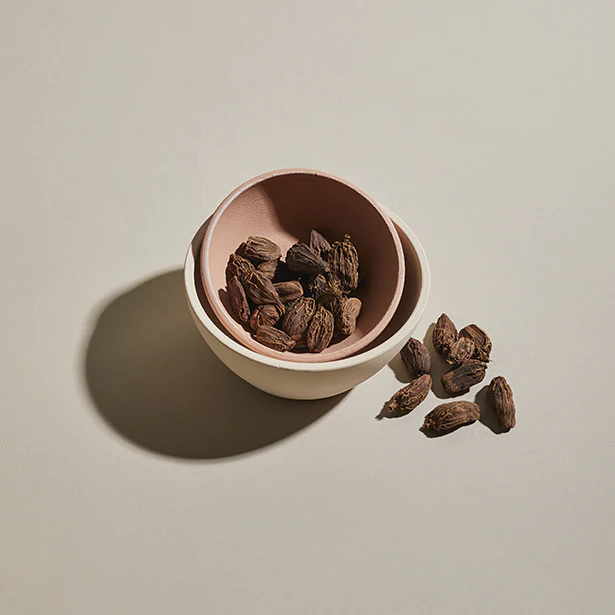
Of all the world's spices, black cardamom is perhaps the most difficult to describe.
This podded seed is unique and flowery yet earthy, robust yet delicate.
Pungent black cardamom has been smoke-dried, making it better suited to braised meats and savory recipes than green cardamom pods.