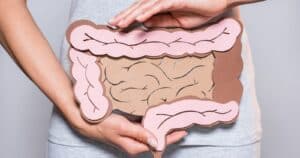
You ate those ghost pepper wings last night, and now your bladder is staging a protest. Why spicy food causes a burning sensation when you pee comes down to one molecule: capsaicin. This compound survives digestion, reaches your urine, and irritates the same pain receptors it triggered in your mouth. Here’s the full journey from plate to porcelain, plus how to enjoy heat without the aftermath.
How Capsaicin Affects Your Body From Mouth to Bladder
Capsaicin binds to pain receptors throughout your body, not just your tongue. These receptors line your entire urinary tract, which explains why that Thai curry announces its presence twice.
What Is Capsaicin and How Does It Work?
Capsaicin is the chemical compound responsible for the heat in chili peppers. It activates TRPV1 receptors, specialized nerve endings that normally detect actual heat and physical damage.
When capsaicin binds to TRPV1, it opens channels that flood nerve cells with calcium and sodium ions. This triggers an electrical signal your brain interprets as burning pain. The clever part: capsaicin binds inside the cell at specific sites called Tyr511 and Thr550, meaning it directly manipulates your pain-sensing machinery rather than causing real tissue damage.
Your body amplifies this signal through a secondary pathway. About 80% of TRPV1-positive neurons also express a protein called ANO1, which creates a pain-enhancing cascade. When researchers blocked ANO1 in mice, capsaicin-related pain behaviors dropped significantly. PNAS
The Journey of Capsaicin Through Your Digestive System
Your body doesn’t fully break down capsaicin during digestion. Some passes through your gut intact, gets absorbed into your bloodstream, and eventually reaches your kidneys.
- Stomach to bloodstream: Capsaicin absorbs through your intestinal lining within 1-2 hours
- Kidney filtration: Your kidneys filter capsaicin metabolites from blood into urine
- Bladder arrival: These metabolites remain biologically active when they reach your bladder
- Delayed symptoms: The 2-4 hour gap between eating and burning explains why morning bathroom trips feel spicier after late-night tacos
The burning sensation during urination happens because TRPV1 receptors densely populate your bladder and urethra. When capsaicin-laden urine contacts these tissues, the same pain cascade that fired in your mouth activates again. NCBI Bookshelf
Why Your Bladder Reacts to Spicy Food
Your bladder’s protective lining wasn’t designed to handle concentrated irritants. When capsaicin metabolites arrive in your urine, they penetrate this barrier and trigger inflammation.
Bladder Lining Sensitivity Explained
The bladder wall contains a protective mucus layer called the glycosaminoglycan (GAG) layer. In healthy individuals, this barrier prevents urine contents from contacting underlying tissue. Capsaicin compounds breach this protection.
- Direct irritation: Capsaicin stimulates pain receptors embedded in bladder wall tissue
- Inflammation response: Your immune system reacts to the chemical irritation
- Increased urgency: Irritated bladder muscles contract more frequently
- Variable sensitivity: Some people have thinner or damaged GAG layers, making them more vulnerable
People with interstitial cystitis or overactive bladder have higher concentrations of capsaicin-sensitive pain receptors. Dr. Michael Kennelly from Atrium Health Wake Forest Baptist notes: “If it burns your stomach, odds are it’s going to burn your bladder as well.” Wake Health
The Role of Urine Acidity
Spicy food often arrives with acidic companions. Tomato-based salsas, citrus marinades, and vinegar-heavy hot sauces increase urine acidity, compounding the irritation.
| Factor | Effect on Bladder | Why It Matters |
|---|---|---|
| Capsaicin alone | Activates TRPV1 receptors | Direct pain signal |
| Acidic urine | Inflames mucosal lining | Extends irritation duration |
| Dehydration | Concentrates irritants | Intensifies symptoms |
| Combined effect | Double irritation pathway | Significantly worse burning |
The good news: this irritation causes temporary discomfort, not permanent damage in healthy individuals. Your bladder lining regenerates continuously, and symptoms resolve once capsaicin clears your system. However, people with chronic bladder conditions experience more severe and prolonged symptoms. Mayo Clinic Health System
Other Bladder Irritant Foods That Cause Similar Symptoms
Capsaicin isn’t the only culprit behind post-meal urinary discomfort. Your bladder reacts to a surprisingly long list of common foods and beverages.
Acidic Foods and Beverages
Citrus fruits, tomatoes, and vinegar create acidic urine that irritates bladder tissue. Research from Washington University School of Medicine found that urine acidity directly influences bacterial growth and tissue sensitivity.
- Oranges, lemons, grapefruit: High citric acid content
- Tomatoes and tomato sauce: Both fresh and cooked forms irritate
- Pineapple and strawberries: Surprisingly acidic despite sweet taste
- Vinegar and pickled foods: Acetic acid passes through to urine
Dr. Jeffrey Henderson explains: “Urine is a destination for much of the body’s waste in the form of small molecules. It’s an incredibly complex medium that is changed by diet.” Washington University
Caffeine, Alcohol, and Artificial Sweeteners
Caffeine acts as both a diuretic and a direct bladder irritant. It increases urine production while simultaneously sensitizing bladder tissue.
| Substance | Mechanism | Symptom Type |
|---|---|---|
| Coffee/tea | Diuretic + acidic | Urgency, frequency |
| Alcohol | Diuretic + inflammation | Burning, urgency |
| Aspartame | Direct irritation | Burning, discomfort |
| Carbonated drinks | CO2 irritation | Urgency, pressure |
| Chocolate | Caffeine + theobromine | Frequency, urgency |
Even decaffeinated coffee irritates bladders due to its acidic composition. Eliminating these triggers often brings relief within 10 days for sensitive individuals. University of Iowa Health Care
When to Be Concerned: UTI Symptoms vs. Food Irritation
Most burning when urinating after spicy food resolves within hours. Knowing when symptoms indicate something more serious prevents unnecessary worry and ensures you seek care when needed.
Signs It’s Just Food-Related Irritation
Food-related bladder irritation follows predictable patterns that distinguish it from infections.
- Timing: Symptoms appear 2-6 hours after eating known irritants
- Duration: Discomfort resolves within 24-48 hours
- Response to water: Symptoms improve noticeably with increased hydration
- Urine appearance: Normal color, no cloudiness or unusual odor
- No fever: Body temperature remains normal
- Pattern recognition: Same symptoms occur after similar meals
If drinking several glasses of water brings noticeable relief within a few hours, you’re likely dealing with simple irritation rather than infection.
Warning Signs That Indicate a UTI or Other Condition
Seek medical attention if you experience any of these symptoms alongside burning urination:
- Blood in urine: Pink, red, or cola-colored urine requires evaluation
- Fever above 101°F: Indicates possible kidney involvement
- Cloudy or foul-smelling urine: Suggests bacterial presence
- Persistent pain: Burning that worsens or doesn’t improve after 48 hours
- Lower back or flank pain: Points to potential kidney infection
- Nausea or vomiting: Systemic symptoms indicate spreading infection
UTIs require antibiotic treatment. Waiting too long allows infection to spread from bladder to kidneys, creating a more serious condition. Healthgrades
How to Prevent and Relieve Post-Spicy Food Urinary Discomfort
Strategic hydration and food choices minimize spicy food bladder symptoms without forcing you to abandon heat entirely.
Hydration and Dilution Strategies
Water remains your best defense against capsaicin-related bladder irritation. Diluted urine carries lower concentrations of irritants and passes through your system faster.
- Before eating: Drink 8-12 oz water 30 minutes before spicy meals
- During meals: Sip water throughout, aiming for one glass per spice level
- After eating: Consume 16-24 oz over the following 2-3 hours
- Next morning: Start with a full glass before anything else
Dr. Harvey Winkler, co-chief of urogynecology at North Shore-Long Island Jewish Health System, confirms: “Drinking water helps flush out irritants and dilute urine, which can reduce discomfort after eating spicy foods.”
Foods That Soothe Bladder Irritation
Certain foods actively calm irritated bladder tissue. Pairing these with spicy meals provides a buffer.
| Bladder-Friendly Foods | Why They Help |
|---|---|
| Bananas | Low acid, potassium-rich |
| Pears | Alkaline, high water content |
| Green beans | Non-irritating, fiber-rich |
| White rice | Absorbs irritants, neutral pH |
| Chamomile tea | Anti-inflammatory, caffeine-free |
Over-the-Counter Relief Options
AZO Urinary Pain Relief (phenazopyridine) provides temporary relief by numbing urinary tract tissue. It works as a local anesthetic, blocking pain signals without treating underlying causes.
- Dosage: Follow package instructions carefully
- Duration: Do not use for more than 2 days without consulting a doctor
- Side effect: Turns urine bright orange (harmless but surprising)
- Limitation: Masks symptoms, doesn’t address irritation source
For occasional use after particularly aggressive spicy meals, AZO provides meaningful relief. However, if you’re reaching for it regularly, adjusting your diet makes more sense long-term. NCBI StatPearls
The Science Behind Spicy Food Tolerance
Regular spicy food consumption physically changes your pain receptors. Understanding this process helps capsaicin lovers minimize urinary effects while maintaining their heat preferences.
Your TRPV1 receptors undergo desensitization with repeated capsaicin exposure. When you eat spicy food frequently, calcium ions close off these receptors, preventing further pain signal transmission. Over time, your body actually internalizes and degrades some of these receptors, leaving fewer available to trigger pain responses.
- Genetic component: 18-58% of spice tolerance variation comes from genetics
- Age factor: Younger people typically experience more intense burning
- Psychological shift: Many spice lovers feel the burn equally but experience it as pleasurable
- Maintenance requirement: Stop eating spicy food, and your tolerance resets as receptors regenerate
Building tolerance gradually exposes your system to increasing capsaicin levels without overwhelming it. Start with milder peppers like jalapeños (2,500-8,000 Scoville units) before progressing to habaneros or ghost peppers. McGill University
Interestingly, tolerance affects your entire body, not just your mouth. As your TRPV1 receptors desensitize, your bladder’s capsaicin response diminishes too. Consistent spice consumption trains your urinary tract alongside your taste buds.
FAQ
Does capsaicin actually damage my bladder?
No. Capsaicin causes temporary irritation, not permanent damage in healthy individuals. Your bladder lining regenerates continuously, and symptoms resolve once capsaicin clears your system. People with pre-existing bladder conditions experience more prolonged effects but still don’t sustain permanent harm from occasional exposure.
How long does burning urination last after eating spicy food?
Most people experience relief within 6-24 hours as their body processes and eliminates capsaicin metabolites. Drinking plenty of water accelerates this timeline by diluting urine and increasing urination frequency. Symptoms lasting beyond 48 hours warrant medical evaluation.
Are some peppers worse for bladder irritation than others?
Absolutely. Capsaicin concentration varies dramatically between pepper varieties. Bell peppers contain minimal capsaicin and rarely cause issues. Thai chilis and habaneros pack significantly higher capsaicin levels, making bladder irritation more likely. The Scoville scale provides a useful reference for comparing heat levels.
Does drinking milk help prevent bladder burning?
Milk helps neutralize capsaicin in your mouth because casein protein binds to the compound. However, this benefit doesn’t extend to your urinary system. By the time capsaicin reaches your bladder, it has already been absorbed and processed. Water remains the most effective prevention strategy for urinary symptoms.
Should I avoid all spicy food if I have overactive bladder?
Not necessarily. Many overactive bladder patients tolerate mild spices without significant symptoms. Keeping a food diary helps identify your personal triggers. Some find that staying well-hydrated allows them to enjoy moderate heat. Consult your urologist for personalized guidance based on your condition severity.
Do antacids help with spicy food bladder symptoms?
Antacids neutralize stomach acid but don’t prevent capsaicin absorption or urinary irritation. Taking Tums or similar products changes urine pH slightly, which theoretically reduces some irritation. However, the primary issue remains capsaicin’s direct effect on bladder receptors, which antacids don’t address.
Is the burning sensation worse for women than men?
Anatomical differences create some variation. Women have shorter urethras, meaning irritated tissue contacts urine for a shorter duration during urination. However, women also experience higher rates of interstitial cystitis and overactive bladder, making them potentially more susceptible to capsaicin sensitivity overall. Individual variation matters more than gender.
Does cooking method affect how much capsaicin reaches my bladder?
Cooking doesn’t significantly reduce capsaicin content. The compound remains stable at high temperatures and survives most preparation methods. Removing pepper seeds and membranes (where capsaicin concentrates) before cooking reduces total intake. Dairy-based sauces bind some capsaicin during preparation, potentially decreasing the amount your body absorbs.