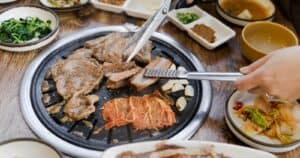
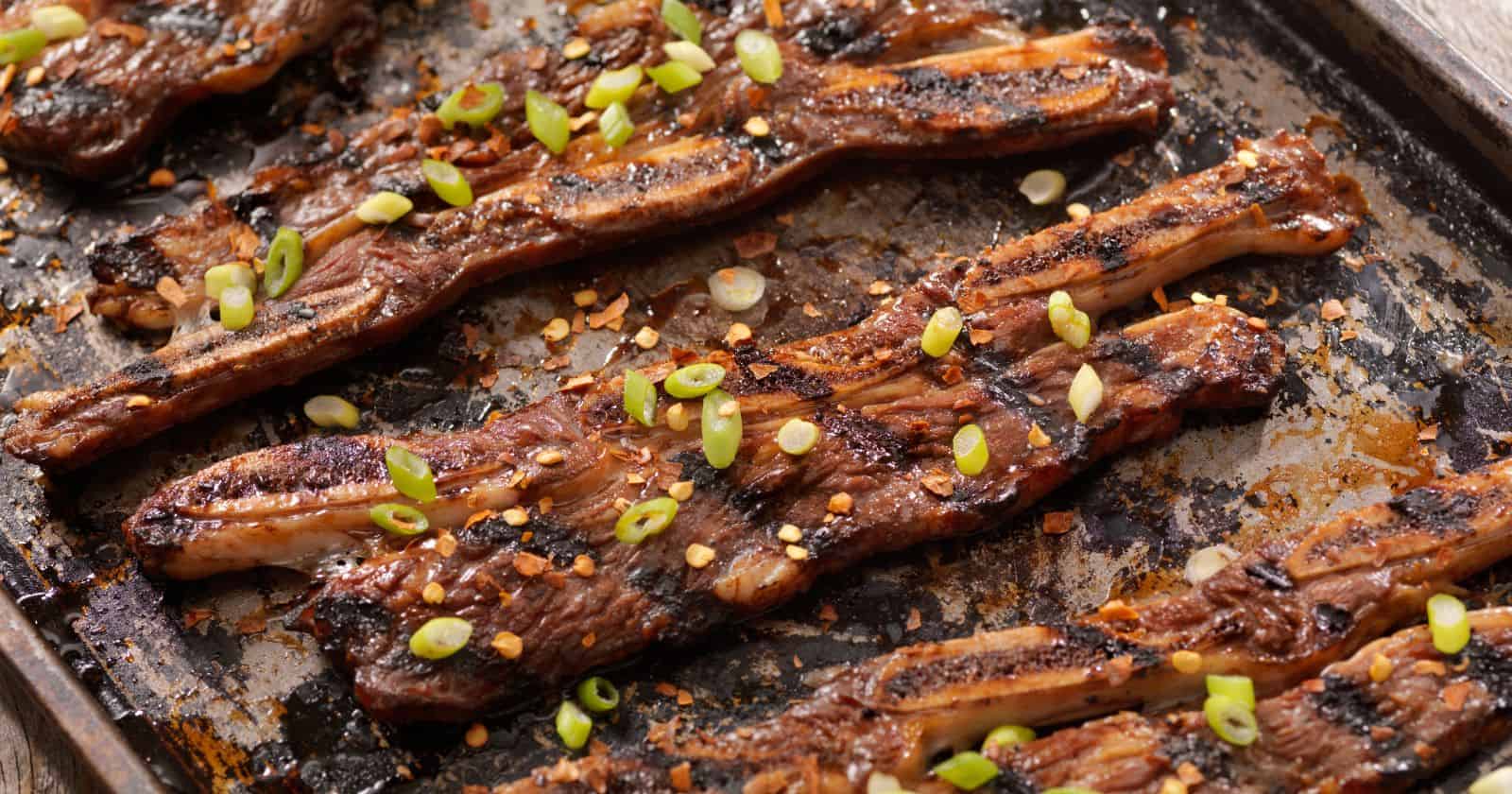
Korean BBQ delivers a symphony of sweet, savory, and smoky flavors built on soy-based marinades, caramelized sugars, and tableside grilling. The global Korean food market reached $12.5 billion in 2023, driven largely by BBQ’s addictive flavor profile. You’ll discover exactly what creates that signature taste, from the science of marinades to the art of wrapping meat in lettuce.
The Core Flavor Profile of Korean BBQ
The dominant taste hits your palate as a balanced dance between sweetness and deep savory notes, followed by smoky char and lingering umami. Think caramelized edges meeting garlicky depth, with sesame undertones wrapping everything together.
Sweet and Savory Balance
Korean BBQ marinades achieve their signature harmony through opposing forces working together. Soy sauce delivers saltiness and umami, while sugar, honey, or pear juice counters with sweetness. This balance prevents either flavor from overwhelming your taste buds.
The sweet and savory flavor combination serves a purpose beyond taste. Sugars in the marinade caramelize during grilling, creating those addictive browned edges. Meanwhile, soy sauce’s amino acids deepen the meat’s natural flavors rather than masking them.
Asian pear plays a dual role in traditional recipes. Its natural enzymes tenderize the meat overnight, while its fructose adds subtle fruit sweetness that distinguishes Korean BBQ from other grilled meats. My Korean Kitchen notes this fruit addition creates a “sweet, salty, and garlicky” profile that absorbs quickly into thin slices.
The Role of Umami
Umami, the fifth taste, gives Korean BBQ its satisfying depth that makes you crave another bite. Multiple ingredients layer this savory sensation throughout every piece of meat.
Key umami sources in Korean BBQ:
- Soy sauce: The backbone providing salt and fermented depth
- Doenjang: Fermented soybean paste adding complexity
- Gochujang: Red pepper paste with fermented savoriness
- Garlic: Fresh pungency that mellows into rich savoriness when cooked
- Sesame oil: Nutty notes that amplify other umami elements
Food scientists describe this as “layered umami” where multiple savory sources combine and amplify each other. The effect creates a lasting finish that distinguishes Korean BBQ from simpler grilled meats. Spice explains how these fermented elements produce complexity beyond what any single ingredient achieves.
Smoky Char from Table Grilling
Tableside grilling over charcoal or gas creates the smoky char essential to authentic Korean BBQ taste. This cooking method develops flavors impossible to replicate in an oven or stovetop.
The Maillard reaction triggers at temperatures between 300-500°F, producing hundreds of new flavor compounds. Amino acids and sugars in the marinade react under high heat, forming that browned crust rich in nutty, roasted notes. This happens within minutes as thin meat slices sear directly over flames.
Charcoal grilling adds another dimension. Smoke particles deposit on the meat’s surface, contributing bitter-sweet aromatic compounds. The result: a slightly charred exterior that stays juicy inside. Quick flipping, about 1-2 minutes per side, prevents drying while maximizing crust development.
Popular Korean BBQ Meats and Their Unique Tastes
Each cut offers distinct flavors based on marinade style, fat content, and preparation method. Knowing these differences helps you order confidently at restaurants or cook strategically at home.
Bulgogi: The Sweet Marinated Beef
Bulgogi taste centers on tender sweetness with pronounced garlic and a hint of fruit. Thin beef slices, typically rib-eye or sirloin cut 1/8 to 1/4-inch thick, absorb marinade rapidly for intense flavor in every bite.
| Flavor Element | Intensity | Source |
|---|---|---|
| Sweetness | Medium-High | Pear, sugar, honey |
| Garlic | High | Fresh minced garlic |
| Sesame | Medium | Toasted sesame oil |
| Soy/Salt | Medium | Soy sauce |
| Char | Light-Medium | Quick grilling |
The pear-infused sweetness sets bulgogi apart from other grilled beef preparations. Enzymes in Asian pear break down tough fibers, creating melt-in-mouth texture while adding delicate fruit notes. Caramelized onions and scallions grilled alongside the beef add another sweet dimension. Maangchi emphasizes how thin slicing allows marinade to penetrate completely within 30 minutes.
Galbi: Tender Short Ribs
Korean BBQ marinade transforms short ribs into rich, deeply savory meat with pronounced caramelization. The fattier cut delivers stronger beef flavor than bulgogi, with marbling that renders during grilling.
Galbi uses similar marinade components but the results differ significantly. Higher fat content means more rendering, more Maillard browning, and deeper beef taste beneath the sweet-salty coating. Bone-in cuts, sliced 2-3mm thin across the bone, cook quickly while staying remarkably juicy.
The marbling creates pockets of richness throughout each bite. As fat renders over high heat, it bastes the meat from within. Edges caramelize into crispy bits while centers remain tender. This contrast between textures defines the galbi experience.
Samgyeopsal: Crispy Pork Belly
Unmarinated pork belly relies on pure pork flavor, rendered fat, and accompanying dips for its taste profile. This simplicity represents the opposite philosophy from heavily marinated bulgogi.
Thick slabs of layered fat and meat grill until edges crisp while interiors turn tender and slightly chewy. The taste: clean pork umami, smoky from charring, indulgent from rendered fat. No competing sweetness, no garlic dominance.
Samgyeopsal’s appeal lies in customization. You wrap pieces in lettuce with ssamjang (fermented soybean-chili paste), raw garlic slices, and kimchi. Each bite combines crispy meat with cool vegetables, spicy-fermented paste, and pungent garlic. The absence of marinade makes these contrasts sharper and more pronounced.
Daeji Bulgogi: Spicy Pork
Gochujang-marinated pork delivers bold heat layered with fermented savoriness and underlying sweetness. Pork shoulder or butt takes on a fiery red color and sticky-caramelized exterior when grilled.
The Korean BBQ flavor in spicy pork builds differently than beef preparations:
- Gochujang provides fermented chili heat that builds gradually
- Sweetness balances the spice without eliminating it
- Garlic and ginger add sharp aromatics
- Sesame rounds out the finish with nutty depth
Heat levels vary by recipe and restaurant. Some versions deliver mild warmth, others bring genuine spiciness. The fermented quality of gochujang means heat tastes different from fresh chili, more complex and layered rather than sharp and immediate.
The Magic of Korean BBQ Marinades
Marinades transform ordinary cuts into extraordinary eating experiences through precise ingredient combinations. Understanding these elements helps you appreciate restaurant dishes and succeed with home cooking.
Traditional Soy-Based Marinades
Classic soy sauce marinade balances five core elements: salt, sweet, aromatics, tenderizer, and fat. Each ingredient serves specific purposes beyond flavor contribution.
Basic bulgogi marinade ratio for 1 pound of meat:
- 1/4 cup soy sauce: Umami and salt foundation
- 2-3 tablespoons sugar or honey: Sweetness and caramelization
- 2 tablespoons sesame oil: Nutty fat that carries flavors
- 4-6 minced garlic cloves: Pungent aromatics
- 1/2 grated Asian pear: Tenderizer and natural sweetness
- 2 tablespoons sliced green onions: Fresh brightness
- Black pepper to taste: Subtle heat and earthiness
This formula creates the benchmark Korean BBQ taste: sweet enough to caramelize beautifully, savory enough to satisfy, aromatic enough to be memorable. Marinating time ranges from 30 minutes for thin slices to overnight for maximum penetration. Doobydobap suggests blending pear with onion and garlic for a versatile all-purpose sauce.
Gochujang Spicy Marinades
Fermented red pepper paste adds a dimension impossible to achieve with regular chili powder. Gochujang combines red chili, glutinous rice, and soybeans through fermentation, creating complex heat with slight sweetness.
Spicy marinades typically include:
- 1/4 cup gochujang: Fermented heat and color
- Soy sauce: Balancing saltiness
- Rice vinegar: Brightness and acidity
- Sesame oil: Nutty richness
- Garlic and ginger: Aromatic sharpness
- Brown sugar: Tempering the heat
The fermented quality means spice builds slowly and lingers rather than attacking immediately. Heat levels measure around 1,000-2,500 Scoville units, roughly comparable to mild jalapeño. Aberdeen’s Kitchen describes the taste as “slightly sweet to start and a hint of spiciness throughout.”
Key Ingredients That Create the Flavor
Asian pear deserves special attention for its dual role. The fruit contains enzymes that break down muscle proteins, tenderizing even tough cuts within hours. Simultaneously, its fructose provides sweetness that caramelizes distinctively from refined sugar.
Substitutes work differently:
| Fruit | Tenderizing Power | Sweetness Character |
|---|---|---|
| Asian pear | High | Delicate, floral |
| Apple | Medium | Brighter, sharper |
| Kiwi | Very High | Subtle |
| Pineapple | Very High | Tropical, assertive |
Sesame oil contributes more than nutty flavor. Its fat carries other flavors across your palate, helping you taste garlic and soy together rather than separately. Toasted sesame oil provides stronger nuttiness than regular versions.
Green onions add freshness that brightens the overall profile. They prevent the rich marinade from becoming cloying, introducing a vegetal note that reads as clean and appetizing.
Korean BBQ vs American BBQ: How the Tastes Differ
These two BBQ traditions share a name but deliver fundamentally different eating experiences. Understanding the contrasts clarifies what makes Korean BBQ vs American BBQ distinct cuisines.
Marinade vs Dry Rub
Korean BBQ uses wet marinades applied before cooking, while American BBQ relies on dry spice rubs. This single difference shapes everything about the final taste.
| Aspect | Korean BBQ | American BBQ |
|---|---|---|
| Seasoning Type | Wet marinade | Dry rub |
| Application Time | 30 min – overnight | 1 hour – overnight |
| Primary Flavors | Sweet-savory-umami | Smoky-spicy-tangy |
| Heat Source | Direct, high | Indirect, low |
| Cooking Time | 2-5 minutes | 4-16 hours |
Marinades penetrate the meat, flavoring it throughout. Dry rubs create a flavorful crust while interiors taste primarily of smoke and meat. Korean BBQ’s thin cuts allow complete marinade absorption. American BBQ’s thick cuts develop bark, the crusty exterior prized by pitmasters.
Cooking Methods Comparison
Thin slicing versus low-and-slow cooking creates entirely different texture experiences. Korean BBQ emphasizes speed, charring surfaces while keeping interiors juicy through minimal cooking time.
American BBQ breaks down tough collagen over hours of gentle heat. Brisket, pork shoulder, and ribs transform from chewy to fork-tender through this patient process. The trade-off: cooking times measured in hours rather than minutes.
Indirect heat cooking in American BBQ means smoke does the flavoring work. Wood chips smolder away from the meat, infusing it gradually. Korean BBQ’s direct heat produces smoke through dripping fat and flare-ups, a faster, more aggressive flavor transfer. Food Republic explains how these methods create “infused flavors” through fundamentally different mechanisms.
Sauce Application Timing
Korean marinades go on raw meat before cooking. Flavor development happens through absorption and subsequent caramelization. American sauces typically apply during final cooking stages or after, preventing burning while adding glaze.
Korean dipping sauces serve a different purpose. Ssamjang and sesame oil appear alongside cooked meat, letting diners control flavor intensity with each bite. American BBQ sauce coats the meat uniformly, making every bite taste similar.
This timing difference reflects broader philosophies. Korean BBQ encourages customization through wraps and condiments. American BBQ presents finished dishes where the pitmaster’s sauce choices define the taste.
The Complete Korean BBQ Experience: Beyond the Meat
Meat alone doesn’t capture the full Korean BBQ taste. Side dishes, wrapping vegetables, and dipping sauces transform grilled protein into a complete, balanced meal.
Banchan: The Flavor Companions
Small side dishes served with Korean BBQ provide contrast, cleanse palates, and add variety to each bite. Restaurants typically serve 5-10 different banchan automatically with your order.
Essential banchan and their roles:
- Kimchi: Spicy, tangy fermented cabbage cuts through meat richness
- Pickled radish (danmuji): Sweet, crunchy cubes refresh between bites
- Bean sprout salad (kongnamul): Light, crisp, sesame-dressed coolness
- Spinach namul (sigeumchi): Earthy, garlicky greens
- Potato salad: Creamy, mild sweetness
Fermented banchan add another umami layer to the meal. Kimchi’s lactic tang and spicy heat balance the meat’s sweetness. Pickled vegetables cleanse your palate, preparing taste buds for the next flavor wave. Gelson’s emphasizes how banchan create “layered umami” that harmonizes with grilled meats.
Lettuce Wraps and Ssam
Texture variety reaches its peak when you wrap grilled meat in fresh lettuce. The combination of hot, caramelized protein with cool, crisp leaves creates contrast no other serving method achieves.
Building the perfect ssam:
- Place a lettuce leaf (butter lettuce or perilla) in your palm
- Add a piece of grilled meat
- Top with ssamjang, a garlic slice, and kimchi
- Fold and eat in one bite
The lettuce’s mild bitterness offsets marinade sweetness. Its water content cools your mouth between rich bites. Perilla leaves add an herbal, slightly minty dimension different from lettuce’s neutrality.
This wrapping tradition prevents flavor fatigue. Instead of eating meat alone until you tire of it, each ssam delivers a unique combination of textures and tastes.
Dipping Sauces and Condiments
Two primary dipping options dominate Korean BBQ tables. Ssamjang delivers fermented, spicy-savory punch. Sesame oil with salt provides clean, nutty simplicity.
Ssamjang combines doenjang (fermented soybean paste) with gochujang, sesame oil, garlic, and green onions. The result tastes aggressively savory with moderate heat, ideal for cutting through fatty pork belly.
Sesame oil and salt highlights quality meat without competing flavors. Premium cuts benefit from this minimalist approach, letting beef or pork taste shine through. A quick dip coats the meat with nutty richness and seasoning.
Additional condiments include:
- Soy-onion sauce: Soy sauce with sliced green onions
- Chili oil: For heat seekers
- Fresh garlic slices: Raw pungency
- Sliced jalapeños: Fresh, sharp heat
The variety lets you eat the same meat multiple ways throughout the meal. Your first bulgogi bite might feature ssamjang in a lettuce wrap. The next goes straight from grill to mouth with sesame-salt. Seoul Bulgogi notes this customization creates “addictive layered umami” without repetitive flavors.
How to Make Korean BBQ Taste Authentic at Home
Replicating restaurant results requires attention to marinade ratios, grilling technique, and equipment choices. These fundamentals bridge the gap between home cooking and professional kitchens.
Essential Marinade Ingredients
Stock these items for authentic Korean BBQ marinade results:
| Ingredient | Purpose | Substitutes |
|---|---|---|
| Soy sauce | Umami/salt base | Tamari, coconut aminos |
| Asian pear | Tenderizer/sweetness | Apple, kiwi (use less) |
| Sesame oil | Nutty richness | No good substitute |
| Garlic | Aromatics | Granulated (less fresh taste) |
| Sugar/honey | Caramelization | Brown sugar, mirin |
| Gochujang | Fermented heat | Sriracha + miso (approximate) |
Fresh ingredients matter significantly. Freshly minced garlic tastes sharper and more complex than jarred. Whole Asian pears grated just before use provide better enzyme activity than bottled juice.
Marinating time affects final taste. Thirty minutes produces surface flavor. Four hours allows penetration. Overnight creates the deepest, most harmonious results. Thin slicing, 1/8 inch or less, accelerates marinade absorption.
Grilling Tips for Best Flavor
High heat creates authentic char and caramelization. Aim for 400-500°F grill surface temperature for proper Maillard reaction development.
Critical technique points:
- Preheat thoroughly: Cold grates prevent proper searing
- Work in batches: Overcrowding drops temperature and steams meat
- Flip quickly: 1-2 minutes per side for thin slices
- Don’t press: Squeezing releases juices and dries meat
- Rest briefly: 30 seconds allows redistribution
The biggest home cooking mistake: insufficient heat. Marinades need high temperature to caramelize properly. Low heat produces grayish, stewed-tasting meat instead of charred, smoky results.
Charcoal grills provide authentic smokiness. Gas grills work well with proper preheating. Stovetop options require cast iron’s heat retention to approach outdoor results.
Equipment Recommendations
Tabletop grills recreate the interactive Korean BBQ experience at home. Several options suit different living situations.
- Portable charcoal grills: Most authentic smoke flavor, requires ventilation
- Tabletop gas grills: Easy temperature control, minimal smoke
- Electric tabletop grills: Apartment-friendly, consistent heat
- Cast iron grill pan: Affordable, excellent searing, stovetop use
Cast iron deserves special mention for accessibility. A preheated cast iron grill pan produces excellent results without specialized equipment. Heat it for 10 minutes over high flame before adding meat. The ridges create grill marks while elevated surfaces allow fat to drain.
For full authenticity, gather proper accompaniments. Lettuce leaves, prepared banchan (many Asian groceries sell these), and ssamjang complete the experience. Serve everything family-style with scissors for cutting larger pieces at the table. John Mull’s Meat Company recommends thin-sliced premium cuts and 6-8 banchan varieties for restaurant-quality meals.
FAQ
Is Korean BBQ sweet or savory?
Korean BBQ delivers both flavors simultaneously. Marinades combine soy sauce’s savory umami with sugar, honey, or pear juice for caramelizing sweetness. The balance varies by dish: bulgogi tastes sweeter, while unmarinated samgyeopsal emphasizes pure savory meat taste enhanced by fermented dipping sauces.
Does Korean BBQ taste like teriyaki?
Korean BBQ and teriyaki share some sweetness, but Korean preparations taste more complex. Korean marinades include Asian pear, sesame oil, and fermented elements absent from teriyaki. The tableside grilling creates smokier char than teriyaki’s typically pan-cooked or broiled approach.
What does bulgogi taste like for first-timers?
Expect tender beef with pronounced sweetness, garlic intensity, and subtle fruit notes from pear in the marinade. The texture melts in your mouth due to thin slicing and enzyme tenderization. Caramelized edges add slight bitterness that balances the sweeter interior.
Is Korean BBQ very spicy?
Most Korean BBQ dishes have mild to no spice. Traditional bulgogi and galbi contain no chili heat. Spicy options like daeji bulgogi use gochujang, which delivers moderate, building heat rather than aggressive fire. You control spice levels through optional chili sauces and kimchi choices.
Why does Korean BBQ taste so good?
Multiple factors create the addictive quality. Layered umami from soy, fermented pastes, and grilled meat satisfies deeply. The sweet-savory balance hits pleasure centers without overwhelming. Interactive cooking keeps each bite fresh and hot. Texture contrasts between crispy meat, fresh lettuce, and crunchy banchan prevent palate fatigue.
What should I order at Korean BBQ for the best flavor experience?
Start with bulgogi or galbi for approachable sweet-savory flavors. Add samgyeopsal for textural contrast and pure meat taste. Try at least one spicy option like daeji bulgogi. Use all the banchan and dipping sauces to experience the full range of flavors Korean BBQ offers.
How does the grilling method affect Korean BBQ taste?
Charcoal grilling produces the smokiest flavor from actual wood combustion and fat drippings. Gas grills create cleaner taste with less pronounced smokiness. The direct high heat matters most, triggering Maillard browning that develops hundreds of flavor compounds in the caramelized crust.
Can vegetarians enjoy Korean BBQ flavors?
Yes, though the experience differs. Many restaurants grill mushrooms, tofu, and vegetables using similar marinades. Banchan sides like kimchi, pickled vegetables, and seasoned greens capture authentic Korean flavors. The ssam-wrapping tradition works well with grilled vegetables and tofu as protein substitutes.