Tien Tsin Pepper Substitute: 9 Best Alternatives for Asian Cooking

Your Kung Pao chicken recipe calls for Tien Tsin peppers, but your spice cabinet offers only tumbleweeds and regret. These fiery little Chinese chilies pack 50,000 to 75,000 Scoville Heat Units, making them six to thirty times hotter than jalapeños. This guide walks you through the best tien tsin pepper substitute options, with exact ratios so your stir-fry doesn’t become a fire hazard or a flavor disappointment.

I learned this lesson the hard way during a dinner party when I grabbed cayenne powder as a last-minute swap and turned my General Tso’s into a tear-inducing disaster. The heat was there, but distributed all wrong. Here’s what I wish I’d known.

What Are Tien Tsin Peppers?

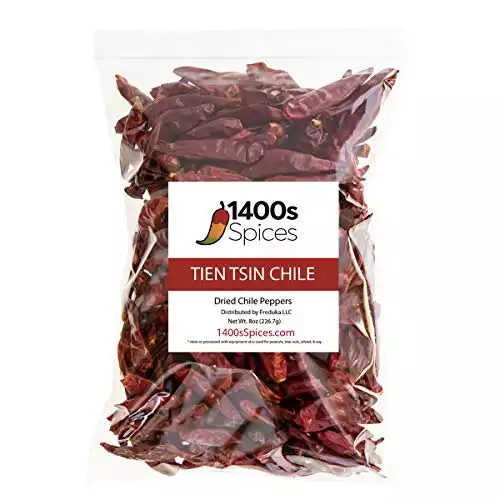
Red Tien Tsin peppers displayed as a substitute option for Asian cooking

Tien Tsin peppers originate from the Tianjin region of northern China and have become essential to Sichuan and Hunan cooking. These small, bright red dried chilies measure one to two inches long with a distinctive conical shape tapering to a sharp point. Their heat hits clean and direct, without the fruity complexity of habaneros or the smokiness of chipotles.

Flavor Profile and Characteristics

The taste delivers sharp, immediate fire with subtle earthy and slightly fruity undertones lurking beneath. Think of cayenne’s straightforward punch combined with a faint sweetness that rounds the edges. The heat concentrates in the seeds and membranes, so removing these parts lets you dial back intensity while keeping the pepper’s character intact.

What sets Tien Tsin apart from other dried chili peppers is that neutral backbone. These peppers add heat without competing with ginger, garlic, or fermented black beans. They’re workhorses, not showboats.

Common Uses in Cooking

Traditional Sichuan technique calls for frying whole Tien Tsin peppers in hot oil until fragrant, a method called lao jiao that releases essential oils without burning. This infuses dishes with aromatic heat rather than raw fire.

Dish How Tien Tsin Is Used Heat Distribution
Kung Pao Chicken Whole, fried in oil Infused throughout
Mapo Tofu Crushed or whole Background warmth
Hot and Sour Soup Whole, simmered Gradual release
Chili Oil Whole or crushed Concentrated
Dry-Fried Green Beans Whole, blistered Scattered pockets

The versatility explains why home cooks panic when they run out. But several alternatives capture that essential character.

Best Tien Tsin Pepper Substitutes

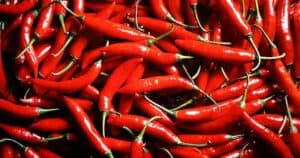
Variety of tien tsin pepper substitutes including red chilies, dried peppers, and spice alternatives arranged for comparison

Choosing the right tien tsin pepper alternatives comes down to three factors: matching the heat level, mimicking the flavor profile, and considering whether you need whole dried peppers or ground spice. A visually stunning Kung Pao demands whole chilies. A chili oil forgives powder.

The dried versus fresh distinction matters enormously here. Fresh chilies release moisture and cook differently, changing both texture and flavor development. Stick with dried substitutes when possible for the closest results.

Heat tolerance varies wildly between people, so these ratios serve as starting points. Taste as you go.

1. Chile de Arbol (Closest Match)

Chile de Arbol delivers the most similar cooking experience to Tien Tsin, with comparable size, texture, and that clean heat profile that won’t muddy your dish’s flavors.

Heat Level Comparison

Chile de Arbol registers 15,000 to 30,000 SHU, making it roughly half as hot as Tien Tsin at typical levels. Some batches push toward 65,000 SHU, but count on needing more to match intensity. The heat builds gradually rather than hitting immediately, creating a slightly different experience on the palate.

The flavor brings nutty, slightly smoky notes that Tien Tsin lacks. In most Asian cooking applications, this difference enhances rather than detracts. PepperScale notes the clean finish makes it versatile across cuisines.

Substitution Ratio

Use a 1.5:1 ratio, meaning if your recipe calls for four Tien Tsin peppers, use six Chile de Arbol. This compensates for the lower heat while keeping the visual presentation similar.

Best applications include stir-fries, infused oils, and any dish where you want whole dried peppers visible in the final presentation. The slender shape and red color photograph nearly identically.

2. Thai Chilies (Bird’s Eye Peppers)

Thai chilies match Tien Tsin’s heat range almost perfectly at 50,000 to 100,000 SHU, making them the go-to substitute when heat intensity matters most.

Fresh vs Dried Considerations

Dried Thai chilies substitute directly for Tien Tsin in texture and cooking behavior. Fresh Thai chilies pack slightly more punch and release moisture during cooking, which changes sauce consistency and vegetable texture in stir-fries.

The flavor profile skews brighter and more citrus-forward than Tien Tsin’s earthy neutrality. This works beautifully in Southeast Asian dishes but adds a subtle character shift in traditional Chinese recipes. Chili Pepper Madness describes the heat as sharp and immediate.

Substitution Ratio

Form Ratio Notes
Dried Thai 1:1 Direct swap
Fresh Thai 0.75:1 Use 3 fresh for every 4 dried called for
Crushed dried 1:1 by volume Adjust for seed content

Handle these peppers with respect. Gloves prevent capsaicin burns, and removing seeds reduces heat by roughly half while maintaining flavor.

3. Cayenne Pepper (Most Accessible)

Cayenne pepper sits in nearly every spice rack, making it the practical choice when specialty peppers aren’t available. The heat level ranges from 30,000 to 50,000 SHU, slightly milder than Tien Tsin but close enough for most palates.

Ground vs Whole Considerations

Ground cayenne disperses heat evenly throughout a dish, eliminating the pockets of fire you get from whole dried peppers. This changes the eating experience fundamentally. Every bite carries consistent spice rather than surprise bursts from biting into a whole chili.

The flavor profile runs clean and straightforward, similar to Tien Tsin’s neutral character. No smokiness or fruitiness to contend with. PepperScale emphasizes cayenne’s versatility across global cuisines.

Substitution Ratio

Start with 1/2 teaspoon ground cayenne per whole Tien Tsin pepper your recipe requires. This conservative approach prevents over-spicing since you cannot remove heat once added.

Best applications include sauces, marinades, and dishes where the visual impact of whole peppers doesn’t matter. Never use ground cayenne in traditional presentations like Kung Pao where diners expect to see and avoid whole chilies.

4. Japones Peppers

Japones peppers look nearly identical to Tien Tsin, creating perfect visual substitutions even if the heat falls short at 15,000 to 30,000 SHU.

The flavor stays neutral and peppery without competing notes, matching Tien Tsin’s background role in complex dishes. These chilies work as the supporting cast, not the star.

Substitution Ratio

Use a 1:1 ratio for appearance, understanding you’ll get approximately half the heat. To compensate, either add an extra pepper or two, or supplement with a small amount of cayenne powder.

Approach Method Result
Visual match 1:1 swap Milder dish
Heat match Add 50% more Japones Similar intensity, more pepper pieces
Hybrid 1:1 Japones + pinch cayenne Balanced heat and appearance

Japones peppers excel in Asian chili pepper replacement scenarios where presentation matters but you’re cooking for heat-sensitive guests. Chili Pepper Madness recommends them for controlled spice levels.

5. Korean Gochugaru

Korean gochugaru brings an entirely different character at 4,000 to 8,000 SHU, making it more of a flavor substitute than a heat replacement. The coarse, flaky texture and sweet, slightly smoky taste transform dishes rather than mimicking Tien Tsin.

When to Use This Substitute

Choose gochugaru when you want Korean-influenced flavors or when cooking for people who prefer milder dishes. The sweetness and depth compensate for the missing fire in ways other mild substitutes cannot match.

Use Case Recommendation
Traditional Chinese dishes Not recommended
Korean-fusion cooking Excellent choice
Kimchi variations Perfect match
Mild family meals Good option
Chili oil Combine with hotter pepper

The texture changes dishes noticeably. Gochugaru’s flakes integrate differently than whole dried peppers, creating a coating effect rather than discrete heat pockets. PepperScale highlights its essential role in Korean cuisine.

To approximate Tien Tsin heat, combine gochugaru with cayenne. Use 1 tablespoon gochugaru plus 1/4 teaspoon cayenne per Tien Tsin pepper required.

6. Crushed Red Pepper Flakes

Standard crushed red pepper flakes from your pizza night supply can work in emergencies, registering 30,000 to 50,000 SHU depending on the blend.

The heat varies between brands since most flakes combine multiple cayenne-type peppers. This inconsistency means you’re always guessing slightly. The texture differs too, with flakes integrating into sauces more readily than whole dried peppers.

Use 1 teaspoon flakes per 3-4 whole Tien Tsin peppers as your baseline. Add a pinch of paprika to improve color if the flakes look pale. Spice Alibaba suggests this combination mimics both appearance and flavor more closely.

Crushed red pepper works best in sauces, pasta dishes, and applications where the flake texture feels appropriate. Skip it for traditional Chinese presentations.

7. Szechuan Peppercorns (For Flavor, Not Heat)

Szechuan peppercorns aren’t peppers at all and provide zero capsaicin heat. They deliver the famous málà numbing sensation that defines authentic Sichuan cuisine through a compound called hydroxy-alpha-sanshool.

These aren’t a heat substitute. They’re a flavor companion. Pair Szechuan peppercorns with Chile de Arbol or cayenne to recreate the complete Sichuan flavor profile experience. The peppercorns handle numbing while the chilies handle burning.

Component Provides Without It
Tien Tsin Heat + slight flavor Missing fire
Szechuan peppercorn Numbing + citrus aroma Missing tongue tingle
Both together Complete málà experience Authentic Sichuan flavor

Toast whole peppercorns lightly before grinding to release aromatic oils. Add them near the end of cooking to preserve the numbing quality. Wikipedia details the unique sensory experience these create.

Heat Level Comparison Chart

This visual reference helps you adjust quantities based on your substitute’s intensity relative to Tien Tsin.

Pepper SHU Range Vs. Tien Tsin Adjustment Needed
Thai Bird’s Eye 50,000-100,000 Equal to hotter Use same or slightly less
Tien Tsin 50,000-75,000 Baseline None
Cayenne 30,000-50,000 Slightly milder Add 25-50% more
Crushed Red 30,000-50,000 Variable Start low, taste often
Chile de Arbol 15,000-30,000 Half as hot Use 1.5x amount
Japones 15,000-30,000 Half as hot Use 1.5x amount
Gochugaru 4,000-8,000 Much milder Combine with cayenne

Remember that individual pepper specimens vary. A particularly potent Chile de Arbol might match a mild Tien Tsin. Taste as you cook.

How to Adjust Heat Levels When Substituting

The goal isn’t matching numbers on a chart. The goal is making your dish taste right. These techniques help you dial in heat regardless of which substitute you choose.

Making Milder Substitutes Hotter

Adding quantity works up to a point. Beyond that, you’re changing the dish’s character with too many whole peppers or too much powder affecting texture and flavor balance.

  • Increase substitute quantity by 25-50% initially
  • Add cayenne powder incrementally for invisible heat boost
  • Include seeds rather than removing them
  • Finish with a few drops of hot sauce for last-minute adjustment

Taming Hotter Substitutes

When Thai chilies push past comfortable or you accidentally overdosed on cayenne, these techniques salvage dinner.

Method How It Works Best For
Remove seeds/membranes Eliminates 50%+ of capsaicin Before cooking
Add dairy Casein binds capsaicin Creamy dishes
Add acid Brightens flavor, distracts palate Stir-fries, soups
Add sweetness Balances perception of heat Sauces
Increase volume Dilutes heat concentration Any dish

Soaking dried peppers in warm water for 10-15 minutes before cooking also reduces their punch while maintaining flavor.

Recipe-Specific Substitution Guide

Different dishes demand different approaches. What works in chili oil fails in Kung Pao. Here’s targeted guidance for the most common Tien Tsin applications.

For Kung Pao Chicken

Best substitute: Dried Thai Bird’s Eye chilies at 1:1 ratio

Add whole chilies at the beginning of stir-frying, exactly as you would Tien Tsin. The oil infusion technique works identically. Expect slightly brighter, more citrus-forward heat with less of the earthy background note.

The visual difference is minimal. Thai chilies are smaller and rounder, but the overall presentation reads as authentic. Guests unfamiliar with the original won’t notice. The Woks of Life confirms this as the standard restaurant substitute.

For Infused Chili Oil

Best substitute: Dried Thai Bird’s Eye or Chile de Arbol

For chili oil, heat distribution matters more than visual presentation since you’re straining or crushing anyway. Thai chilies produce sharper, more immediate heat in the finished oil. Chile de Arbol adds nutty depth.

Infuse in hot oil for 1-2 minutes maximum. Remove from heat before peppers darken to prevent bitterness. Ground cayenne mixed with paprika works acceptably here since texture isn’t a concern. Use 1/2 teaspoon cayenne plus 1/4 teaspoon paprika per tablespoon of oil.

For Stir-Fries

Best substitute: Dried Thai Bird’s Eye or Japones at 1:1 ratio

Add whole or sliced chilies in the final 30 seconds of cooking to preserve flavor and prevent burning. Earlier addition risks bitter notes from scorched peppers.

Stir-Fry Style Best Match Why
Sichuan Thai Bird’s Eye Heat intensity matches
Mild family meal Japones Lower heat, similar look
Quick weeknight Crushed red pepper Convenience, decent heat

The appearance factor matters in stir-fries where whole peppers dot the finished dish. Japones and Thai chilies both satisfy visually.

Where to Buy Tien Tsin Peppers

Before committing to substitutes, check these sources for the real thing.

Asian grocery stores remain the most reliable option. Look in the dried spice aisle or bulk bins. Ask for “Chinese red peppers” or “Tianjin peppers” if staff seem unfamiliar with “Tien Tsin.” Quality indicators include bright red color, smooth skin, and fresh spicy aroma. Avoid peppers with dark spots or musty smell.

Online retailers offer consistent availability: – Amazon carries multiple brands – The Spice House offers quality-tested dried Tien Tsin – Penzeys stocks whole peppers with detailed sourcing – Oaktown Spice Shop emphasizes freshness

Store dried peppers in airtight containers away from light and moisture. They’ll maintain potency for 6-12 months. Freezing in vacuum-sealed bags extends shelf life to 1-2 years. The Spice House provides detailed storage guidance with their products.

FAQ

What pepper is closest to Tien Tsin in heat and flavor?

Dried Thai Bird’s Eye chilies match most closely, sharing the 50,000-100,000 SHU range and clean heat character. The main difference is Thai chilies’ slightly brighter, more citrus-forward flavor compared to Tien Tsin’s earthy neutrality.

How many crushed red pepper flakes equal one Tien Tsin pepper?

Approximately 1/4 to 1/3 teaspoon crushed red pepper equals one whole Tien Tsin pepper. Start conservatively since flake heat varies by brand, and adjust upward after tasting.

Are Tien Tsin peppers the same as Chinese red peppers?

Yes. “Chinese red pepper,” “Tianjin pepper,” and “Tien Tsin pepper” all refer to the same chili variety. Packaging varies by retailer, so check for any of these names when shopping.

Should I remove seeds from substitute peppers?

Removing seeds and membranes reduces heat by approximately 50% while preserving most flavor. Do this when substituting hotter peppers like Thai chilies for guests who prefer milder food.

What’s the difference between Tien Tsin and Chile de Arbol?

Tien Tsin peppers originate from China and register 50,000-75,000 SHU with earthy undertones. Chile de Arbol comes from Mexico at 15,000-30,000 SHU with nutty, slightly smoky notes. Both work in similar applications despite different heat levels and origins.

Why do recipes call specifically for Tien Tsin peppers?

Traditional Sichuan and Hunan recipes specify Tien Tsin for their clean heat that doesn’t compete with other aromatics. The neutral flavor lets ginger, garlic, and fermented ingredients shine while providing consistent, reliable spice.

Does the substitution ratio change for ground versus whole peppers?

Absolutely. Ground peppers release heat more quickly and distribute evenly, while whole dried peppers create concentrated pockets. Use 1/2 teaspoon ground pepper per whole dried pepper called for, regardless of variety.

What substitute works best for someone who doesn’t like spicy food?

Japones peppers at 15,000-30,000 SHU or gochugaru at 4,000-8,000 SHU provide mild alternatives. Both add color and slight warmth without overwhelming heat-sensitive palates. Remove all seeds for the mildest possible result.

Share your love
Bill Kalkumnerd
Bill Kalkumnerd

I am Bill, I am the Owner of HappySpicyHour, a website devoted to spicy food lovers like me. Ramen and Som-tum (Papaya Salad) are two of my favorite spicy dishes. Spicy food is more than a passion for me - it's my life! For more information about this site Click

Leave a Reply

Your email address will not be published. Required fields are marked *