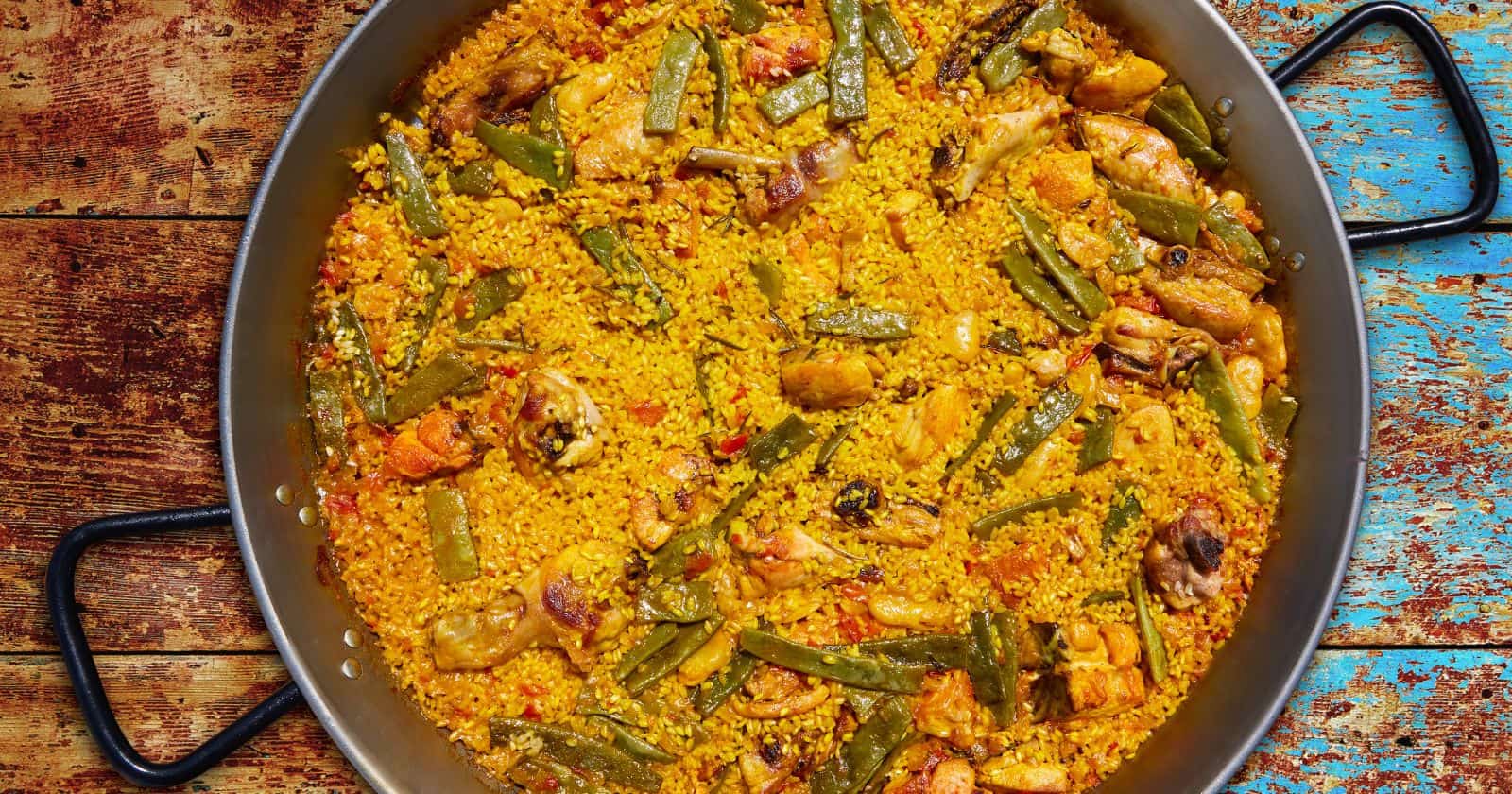
The aroma of saffron-infused rice sizzling in a wide, shallow pan signals something special is happening. Paella seasoning transforms ordinary rice into Spain’s most celebrated dish, with the right blend contributing up to 80% of the characteristic flavor profile. This guide covers the essential spices, trusted brands, and techniques that separate memorable paella from forgettable rice.
What Is Paella Seasoning? Understanding the Essential Spice Blend
Paella seasoning is a purpose-built spice mixture designed to replicate the aromatic complexity of traditional Valencian rice dishes. The blend balances earthy warmth, subtle sweetness, and floral notes to create the distinctive taste that has made paella famous worldwide.
The seasoning traces its roots to mid-19th century Valencia, where farmworkers cooked rice over open fires with local ingredients. Those original cooks discovered that certain spice combinations enhanced the natural flavors of rice, meat, and vegetables. Their experiments became codified into the blends we recognize today.
Most paella seasoning contains five to eight ingredients working in harmony. The blend creates layers of flavor that develop during cooking, with each spice contributing something unique to the final dish.
The Role of Saffron in Authentic Paella
Saffron provides paella’s signature golden color and delicate floral aroma that no other spice replicates. This precious ingredient comes from hand-harvested crocus flower stigmas, with approximately 150 flowers yielding just one gram of dried threads.
The harvesting process explains saffron’s position as the world’s most expensive spice by weight. Workers pick flowers at dawn during a brief autumn flowering window. They then carefully remove three tiny stigmas from each blossom by hand. This labor-intensive process has remained unchanged for centuries.
- Flavor profile: Honey-like sweetness with earthy, slightly metallic undertones
- Color contribution: Brilliant golden-yellow that penetrates rice uniformly
- Aroma: Floral and hay-like with subtle bitterness
- Quantity needed: 1/8 gram (a small pinch) serves four people adequately
Saffron’s intensity means restraint matters. Too much creates medicinal, bitter notes that overpower other ingredients. Too little leaves the dish looking pale and tasting flat. The sweet spot delivers color and fragrance without dominating. Julia Recipes emphasizes that saffron remains non-negotiable for authentic results despite its cost.
Smoked Paprika: The Flavor Backbone
Smoked paprika delivers the deep, sweet smokiness that grounds paella’s flavor profile. Spanish producers dry peppers over smoldering oak fires for weeks, infusing them with complex smoke character before grinding.
Two main varieties appear in paella seasoning:
| Paprika Type | Flavor Profile | Heat Level | Best Use |
|---|---|---|---|
| Dulce (Sweet) | Rich, sweet, deeply smoky | None | All paella styles |
| Picante (Hot) | Smoky with building heat | Medium | Meat-based paellas |
| Agridulce | Bittersweet, complex | Mild | Seafood paellas |
The Pimentón de la Vera designation indicates authentic Spanish smoked paprika from the Extremadura region. This protected origin guarantees traditional smoking methods. Fuss Free Flavours notes that paprika works alongside saffron rather than competing with it, each enhancing the other.
Essential Ingredients in Paella Seasoning
Beyond the starring duo of saffron and paprika, paella seasoning relies on supporting players that add depth and complexity. Each ingredient serves a specific purpose in building the complete flavor architecture.
Primary Spices and Their Flavor Profiles
The core spice lineup creates paella’s foundational taste. Understanding each component helps when adjusting blends to personal preference.
- Garlic powder (2 teaspoons per batch): Provides savory depth and aromatic warmth
- Turmeric (1/2 teaspoon): Extends saffron’s golden color affordably while adding mild earthiness
- Cayenne pepper (1/2 teaspoon): Delivers clean heat that brightens other flavors
- Black pepper (1/2 teaspoon): Adds subtle warmth and complexity
Turmeric deserves special attention. While not traditional, it appears in most commercial blends as an economical color booster. Quality blends use turmeric to supplement saffron rather than replace it entirely. The two create a more vibrant golden hue together than either achieves alone.
Supporting Herbs and Aromatics
Herbs add Mediterranean character and aromatic lift to the spice base. They prevent the blend from feeling heavy or one-dimensional.
- Dried oregano (1 teaspoon): Contributes earthy, slightly bitter notes
- Dried thyme: Offers subtle floral quality and pairs well with poultry
- Rosemary: Provides piney freshness, particularly good with rabbit or chicken
- Dried parsley: Adds brightness and color to finished dishes
The herb selection often reflects regional preferences. Valencian cooks favor rosemary in traditional land-based paellas. Coastal preparations lean toward lighter herbs that complement seafood.
Optional Add-Ins for Different Paella Styles
Specialty ingredients allow customization for specific paella variations. These additions create distinct flavor profiles suited to different proteins and preparations.
| Add-In | Flavor Contribution | Best Paella Style |
|---|---|---|
| Lemon zest powder | Bright acidity | Seafood |
| Sun-dried tomatoes | Concentrated umami | Vegetarian |
| Roasted bell pepper | Sweet depth | Mixed meat |
| Bay leaf | Herbal complexity | Traditional Valencian |
| Ground cloves | Warm spice | Festive occasions |
Whole Spice incorporates several of these additions in their blend, creating a more complex profile suited to various paella styles.
Top Paella Seasoning Brands Compared
Commercial paella spice mixes offer convenience and consistent results. Quality varies significantly between brands, with some delivering authentic flavor and others falling short.
Carmencita Paella Seasoning Review
Carmencita represents the gold standard among Spanish seasoning producers. The company has operated near Alicante since 1920, placing them at the geographic and cultural heart of paella country.
Their blend contains real Spanish saffron, not substitutes. The smoked paprika comes from traditional producers using established methods. Each packet seasons enough rice for six servings, providing portion control and freshness.
- Price: Approximately $6.99 for five packets (20g total)
- Availability: La Tienda, Amazon, specialty Spanish retailers
- Standout feature: Authentic saffron with balanced paprika
- Best for: Cooks seeking genuine Spanish flavor
The company developed their formula over 25 years of testing, creating hundreds of paellas before finalizing the recipe. La Tienda carries the full Carmencita range for U.S. customers.
Paellero Paella Seasoning Analysis
Paellero, produced under Carmencita’s umbrella, targets home cooks wanting foolproof results. The pre-measured packets eliminate guesswork about spice quantities.
Each box contains five seasoning packets designed for consistent six-person servings. The blend includes saffron alongside paprika, garlic, and traditional Spanish spices. The format works well for cooks who prepare paella occasionally rather than weekly.
- Price: Around $6.99 per box
- Availability: Amazon, specialty retailers, some supermarkets
- Standout feature: Pre-measured convenience
- Best for: Beginners and occasional paella cooks
Budget-Friendly Alternatives
Not every paella requires premium-priced seasoning. Several options deliver satisfying results at lower cost.
| Brand | Format | Price | Saffron Content | Best Value For |
|---|---|---|---|---|
| Woodland Foods | Loose blend | $8-10 | Contains saffron | Organic preference |
| Whole Spice | 4 oz tub | $10.99 | Contains saffron | Frequent cooks |
| Spices Inc Bulk | Bag | $6-8 | Turmeric-based | Budget cooking |
Whole Spice’s larger format provides better per-serving value for households that make paella regularly. Their blend includes additional ingredients like lemon zest and sun-dried tomatoes for more complex flavor. Budget blends substituting turmeric for saffron work adequately but lack authentic flavor depth.
How to Make Homemade Paella Seasoning
Creating your own homemade paella seasoning costs less per serving than commercial options while allowing complete control over heat levels and flavor balance. The process requires minimal time and basic pantry spices.
Classic Paella Seasoning Recipe
This foundational blend works with any paella style. Adjust cayenne up or down based on heat preference.
| Ingredient | Amount | Purpose |
|---|---|---|
| Saffron threads | 1/8 tsp (crushed) | Color and floral notes |
| Smoked paprika | 1.5 tbsp | Smoky backbone |
| Turmeric | 1/2 tsp | Color enhancement |
| Cayenne pepper | 1/2 tsp | Heat |
| Garlic powder | 2 tsp | Savory depth |
| Dried oregano | 1 tsp | Herbal lift |
| Black pepper | 1/2 tsp | Warmth |
| Sea salt | 1/2 tsp | Seasoning base |
Instructions: Combine all ingredients in a small bowl. Whisk thoroughly to distribute saffron evenly. Transfer to an airtight glass jar. Store in a cool, dark cabinet away from the stove. This quantity seasons four generous portions.
The cost breakdown reveals significant savings. Quality saffron runs $5-10 per gram, but you need only 1/8 gram per batch. Other spices cost pennies per serving from standard containers. Total cost per four-serving batch: approximately $0.40-0.80. Paella World provides additional ratio guidance for larger batches.
Seafood Paella Spice Blend Variation
Seafood paella benefits from brighter, more delicate seasoning that complements rather than overwhelms shellfish and fish.
- Base recipe plus:
- Lemon zest (1/2 tsp dried): Adds citrus brightness
- Bay leaf (1, crushed): Provides herbal complexity
- Reduce cayenne to 1/4 tsp: Prevents heat from masking seafood sweetness
Use fish stock or clam juice as your cooking liquid to reinforce oceanic flavors. The lighter spice profile lets shrimp, mussels, and calamari shine.
Vegetarian-Friendly Seasoning Mix
Vegetarian paella relies more heavily on seasoning to create depth that meat-based versions get from proteins. This blend amplifies savory notes.
- Base recipe with these adjustments:
- Increase smoked paprika to 2 tbsp: Adds smoky depth missing from meat
- Add dried thyme (1/2 tsp): Enhances vegetable compatibility
- Include onion powder (1 tsp): Builds savory foundation
Use rich vegetable stock made with roasted vegetables for maximum flavor. The assertive seasoning stands up to hearty vegetables like artichokes and bell peppers.
Using Paella Seasoning: Tips for Perfect Results
Even quality seasoning fails without proper technique. Timing, temperature, and method determine whether spices enhance or muddle the final dish.
When to Add Seasoning During Cooking
Add paella seasoning during the sofrito stage for maximum flavor development. The sofrito, a sautéed base of onion, garlic, and tomato, provides hot fat that releases spice aromas and binds flavors to the rice.
Optimal timing sequence:
- Sauté aromatics (onion, garlic, peppers) until softened
- Add dry spices to hot oil in the pan
- Toast for 30-60 seconds until fragrant
- Add tomatoes and cook briefly
- Introduce rice and stir to coat with seasoned oil
- Pour in stock with bloomed saffron
Bloom saffron separately by steeping threads in warm water for 30 minutes before cooking. This extraction releases color and flavor compounds that distribute evenly throughout the dish. Adding dry saffron directly to hot oil risks scorching and bitterness.
Pairing with Proteins: Seafood, Chicken, and Chorizo
Different proteins interact with paella seasoning blend in distinct ways. Understanding these relationships helps balance flavors.
| Protein | Seasoning Interaction | Adjustment |
|---|---|---|
| Shrimp/Mussels | Delicate, easily overwhelmed | Use lighter hand with paprika |
| Chicken | Absorbs flavors well | Standard seasoning works perfectly |
| Chorizo | Adds its own paprika and fat | Reduce paprika in blend slightly |
| Rabbit | Lean, benefits from herbs | Add extra rosemary |
Add seafood during the final 10 minutes of cooking to prevent toughening. Nestle raw shrimp into the rice surface where they steam gently. Chicken pieces go in earlier, atop the rice before the low-simmer phase. Chorizo renders fat early in cooking, contributing to the flavor base.
Common Mistakes to Avoid
Several errors consistently produce disappointing paella despite good ingredients.
- Overseasoning: More spice creates muddiness, not intensity. Start conservative
- Late spice addition: Spices need heat and time to bloom properly
- Stirring after rice addition: Creates risotto texture, not distinct grains
- Skipping saffron bloom: Results in weak color and uneven flavor
- Ignoring salt timing: Adjust before rice goes in since correction later proves difficult
Olympian Kitchen emphasizes that restraint with seasoning allows each component to shine. The goal is harmony, not domination.
Storage and Shelf Life of Paella Seasoning
Proper paella seasoning storage preserves potency and protects your investment in quality spices. Degradation happens slowly but significantly impacts flavor over time.
Proper Storage Techniques
Store paella seasoning in an airtight container in a cool, dark location. Temperature below 70°F (21°C) slows volatile oil evaporation. Light breaks down color compounds, particularly affecting saffron and paprika.
Storage hierarchy by effectiveness:
- Glass jar with silicone gasket lid in dark cabinet (best)
- Opaque container in pantry
- Original packaging in drawer away from stove
- Clear jar on counter near heat sources (worst)
The area above your stove seems convenient but exposes spices to heat and humidity from cooking. This location shortens shelf life dramatically. A cabinet away from heat sources maintains freshness longest.
Shelf life estimates:
| Seasoning Form | Expected Potency | Maximum Storage |
|---|---|---|
| Whole saffron threads | 3-4 years | 5 years |
| Ground blend | 1-2 years | 3 years |
| Commercial packets | 2-3 years | Per packaging |
Signs Your Seasoning Has Lost Potency
Testing before cooking prevents disappointing results from stale spices.
- Weak aroma: Fresh seasoning smells vibrant when jar opens
- Faded color: Paprika turns brown, saffron loses orange-red intensity
- Flat taste: A pinch on your tongue should deliver immediate flavor
- Clumping: Indicates moisture exposure and degradation
Replace seasoning showing these signs rather than compensating with larger quantities. Stale spices contribute off-flavors that increased amounts only intensify.
For occasional paella cooks, buying small quantities proves more economical than bulk purchases that lose potency before use. Calculate your realistic consumption before stocking up.
Regional Paella Variations and Their Seasonings
Spain’s diverse geography produces distinct paella traditions. Each region developed seasoning profiles suited to local ingredients and preferences.
Valencian Paella Seasoning Traditions
Traditional paella Valenciana showcases land-based proteins with straightforward seasoning. The original versions featured rabbit, chicken, and snails from the surrounding countryside.
Valencian purists use minimal seasoning: saffron, sweet paprika, and rosemary. The simplicity allows ingredient quality to dominate. Cooks use plain water rather than stock, believing flavorful proteins contribute sufficient depth.
The authentic method builds flavor through technique rather than spice complexity. A hot fire creates the prized socarrat, the caramelized rice crust that adds textural contrast and toasted notes. Spanish Sabores details the traditional approach for cooks seeking strict authenticity.
Seafood Paella from Coastal Spain
Coastal preparations emphasize lighter, brighter seasonings that complement delicate seafood. Mediterranean fishing villages developed their own paella traditions using daily catches.
Coastal seasoning adjustments:
- Reduced paprika intensity to avoid overwhelming fish
- Added lemon elements for brightness
- Lighter hand with garlic
- Seafood stock as cooking liquid
The sofrito in coastal versions often includes more tomato, adding acidity that pairs well with shellfish. Mussels, clams, shrimp, and squid appear in combinations reflecting local availability.
Modern Fusion Adaptations
Contemporary cooks worldwide adapt paella seasoning to local tastes and available ingredients. These interpretations maintain the spice framework while adding regional elements.
International variations incorporate:
- Asian-influenced: Ginger, lemongrass, fish sauce additions
- Latin American: Cumin, cilantro, different pepper varieties
- American: Bold heat levels, multiple paprika types
- Middle Eastern: Warming spices like cinnamon and cardamom
Fusion approaches succeed when they respect the core saffron-paprika relationship while building around it. The spices should enhance rather than compete with traditional flavor architecture.
FAQ
Does paella seasoning contain gluten?
Pure spice blends without additives contain no gluten naturally. Commercial mixes occasionally include anti-caking agents or fillers that introduce gluten. Check ingredient labels carefully if avoiding gluten, and choose brands explicitly labeled gluten-free.
How much paella seasoning should I use per cup of rice?
Use approximately 2 teaspoons of prepared seasoning blend per cup of uncooked rice. This ratio provides noticeable flavor without overwhelming the dish. Adjust upward slightly for bland proteins or downward for strongly flavored ingredients like chorizo.
What makes saffron so expensive for paella?
Saffron requires hand-harvesting during a brief annual flowering period. Each crocus flower produces only three usable stigmas, meaning 150 flowers yield just one gram of dried saffron. The labor-intensive process and limited harvest window create genuine scarcity.
Is turmeric an acceptable saffron substitute in paella?
Turmeric provides similar golden color but completely different flavor. Use it to stretch limited saffron supplies or when budget constraints apply. For authentic taste, include at least a pinch of real saffron alongside turmeric. Pure turmeric substitution produces visually acceptable but flavor-compromised results.
What proteins pair best with paella seasoning?
Chicken thighs, Spanish chorizo, shell-on shrimp, mussels, and rabbit all complement paella seasoning excellently. The blend’s paprika and saffron notes enhance poultry and pork while not overwhelming delicate seafood. Combine two or three proteins for complex, layered dishes.
How do I prevent my paella seasoning from clumping?
Store in completely airtight containers away from humidity sources. Add a food-safe silica packet to absorb moisture in humid climates. Never introduce wet measuring spoons into your spice container. If clumping occurs, the seasoning remains usable but indicates some potency loss.
Should I toast paella seasoning before adding it to the dish?
Toasting dry spices in hot oil releases aromatic compounds and intensifies flavor. Add seasoning to your sofrito and cook for 30-60 seconds until fragrant before proceeding. This step distinguishes vibrant paella from flat-tasting versions using the same ingredients.
What distinguishes Spanish paprika from regular paprika?
Spanish pimentón undergoes smoking over oak fires for several weeks before grinding. This process creates the distinctive smoky-sweet flavor essential to authentic paella. Hungarian or generic paprika provides color but lacks smoke character. Look for “Pimentón de la Vera” designation for guaranteed authenticity.