Korean Food to Try for Beginners: 15 Must-Try Dishes for First-Timers

Korean food to try for beginners starts with understanding one truth: this cuisine rewards the curious without punishing the cautious. With 94.2% satisfaction rates among first-timers and dishes ranging from zero-spice grilled meats to customizable rice bowls, you’ll find your comfort zone fast. This guide walks you through 15 accessible dishes, ordering strategies, and home cooking basics that transform Korean food curiosity into genuine enthusiasm.

What Makes Korean Cuisine Beginner-Friendly

Colorful array of beginner-friendly Korean dishes showcasing authentic cuisine

Korean restaurants hand you control the moment you sit down. Every meal arrives with an array of small dishes, adjustable sauces, and familiar rice foundations that let you build exactly the flavor profile you want.

Balance of Flavors

Korean cooking layers five tastes: sweet, salty, sour, savory, and optional spicy. Most dishes emphasize the first four, with heat as an add-on rather than a requirement. Bulgogi showcases this perfectly with its soy-sugar-sesame marinade. Zero chili. Maximum flavor.

  • Sweet notes come from Asian pear, sugar, and honey in marinades
  • Salty depth builds through soy sauce and fermented pastes
  • Sour brightness arrives via pickled vegetables and vinegar dips
  • Umami richness develops from fermented soybean paste and sesame

Customizable Spice Levels

The red sauce sitting on your table? That’s gochujang, and you control how much goes on your food. Bibimbap arrives with sauce on the side. Korean BBQ lets you skip it entirely. Even traditionally spicy dishes like tteokbokki have mild court-style versions called gungjung tteokbokki made with soy sauce instead of chili paste.

Rice anchors most meals, providing familiar comfort between adventurous bites. Banchan (side dishes) arrive free with your order and get refilled on request. Think of them as a low-commitment tasting flight. Don’t love the spicy radish? Try the sesame spinach instead. Everything stays small, shareable, and stress-free.

Best Korean Rice and Noodle Dishes for Beginners

Best Korean rice and noodle dishes for beginners including bibimbap and ramen

Rice and noodles form the backbone of Korean comfort food, and three dishes stand out for their approachability, flavor, and widespread availability at restaurants worldwide.

Bibimbap: The Perfect Starter Dish

This mixed rice bowl lets you control every element of your meal. A base of steamed rice comes topped with sautéed vegetables, a fried egg, optional meat, and gochujang sauce served on the side.

Aspect Details
Difficulty Easy (45 minutes total for home cooking)
Spice Level Adjustable (sauce on side)
Vegetarian Option Yes (swap beef for tofu or omit protein)
Best For First-time visitors wanting variety
Ordering Tip Request “dolsot bibimbap” for crispy rice bottom

The mix-and-match nature makes bibimbap universally appealing. You’ll encounter earthy spinach, crunchy bean sprouts, sweet carrots, and a runny egg yolk that creates instant sauce when stirred. Start with half the gochujang and add more as your palate adjusts. BIBIBOP notes this dish ranks among Korea’s top comfort foods, with U.S. chains now specializing in customizable versions.

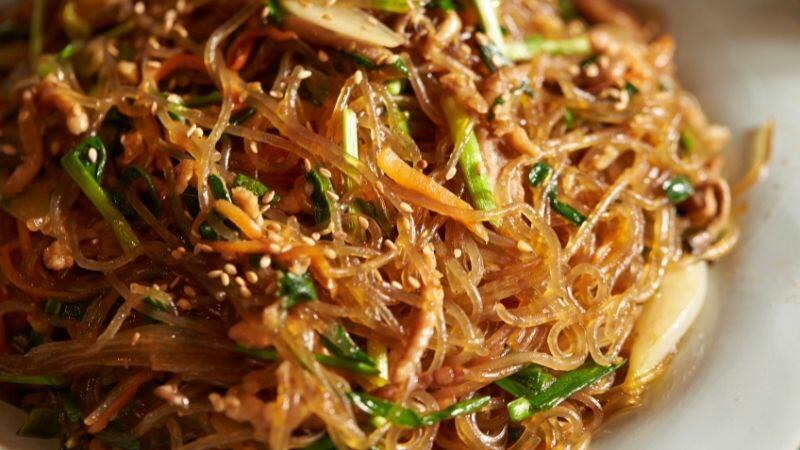
Japchae: Sweet and Savory Glass Noodles

Japchae features bouncy sweet potato starch noodles stir-fried with colorful vegetables in a glossy soy-sesame-sugar glaze. The texture surprises newcomers. These noodles are chewy without being gummy, and naturally gluten-free.

  • Cooking difficulty: Medium (30 minutes, noodles need careful blanching)
  • Flavor profile: Sweet-savory with subtle sesame richness
  • Vegetarian option: Omit beef, keep vegetables and optional egg
  • Restaurant ordering: Ask for “yachae japchae” for vegetable-only version

Served warm or cold, japchae works as a main course or shared side dish. The sweetness comes from a careful balance of soy sauce, sugar, and sesame oil rather than any chili heat.

Kimbap: Korean Rice Rolls

Think of kimbap as Korea’s answer to portable lunches. Seasoned rice and fillings get rolled in dried seaweed, then sliced into bite-sized pieces you eat with your hands.

Fillings range from bulgogi beef to pickled radish, spinach, carrots, and egg. The sesame oil-seasoned rice provides a nutty foundation without any spice. Street vendors sell these everywhere in Korea, and most Korean restaurants offer several varieties.

For beginners, vegetable kimbap eliminates any protein uncertainty while showcasing the cuisine’s emphasis on fresh, crisp textures. Pair with soy dipping sauce and you’ve got an entry point requiring zero chopstick expertise.

Must-Try Korean Meat Dishes

Korean cuisine transforms simple proteins into memorable experiences through careful marinades and interactive cooking methods that put you in charge of the grill.

Bulgogi: Sweet Marinated Beef

Bulgogi translates to “fire meat,” but don’t let that fool you. This dish delivers sweetness and umami, not heat. Thinly sliced ribeye or sirloin marinates in soy sauce, brown sugar, sesame oil, garlic, and pureed Asian pear.

The pear enzymes naturally tenderize the beef over 2-24 hours. When cooked, the sugars caramelize into glossy, savory-sweet ribbons of meat. Maangchi recommends bulgogi as an “easy” entry point, with cooking time under 15 minutes once marinated.

  • Standard marinade: 1/4 cup soy sauce, 2-3 tablespoons brown sugar, 2 tablespoons sesame oil
  • Cooking method: Pan-sear or grill until caramelized edges form
  • Serving style: Over rice with banchan, or wrapped in lettuce leaves

Korean BBQ Basics

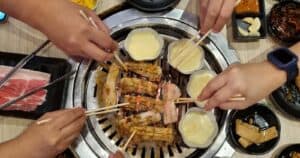
Korean BBQ restaurants feature tabletop grills where you cook thinly sliced meats yourself. Expect ventilated setups, communal platters, and servers who help manage the cooking process.

Here’s what happens when you sit down:

  1. Banchan arrives first: Kimchi, pickled vegetables, and sauces spread across your table
  2. Meat plates come out: Usually priced $20-50 per pound in U.S. restaurants
  3. You grill: Cook meat 1-2 minutes per side until browned
  4. You assemble wraps: Place meat in lettuce leaves with garlic, sauce, and kimchi

The lettuce wrap technique (called ssam) is essential. Grab a lettuce leaf, add a piece of grilled meat, dab of ssamjang sauce, slice of raw garlic, and bit of kimchi. Fold and eat in one bite. The fresh vegetables cut through the rich meat perfectly.

Gamjatang: Hearty Pork Bone Soup

For soup lovers seeking comfort food, gamjatang delivers. This pork spine soup simmers for hours until meat falls off the bone, with potatoes and perilla leaves adding body and herbaceous notes.

The broth develops collagen-rich depth from the bones. While traditional versions include some heat from perilla seeds and gochugaru, milder versions exist for spice-sensitive diners. Pair with rice to mellow any warmth, and you’ve got a winter-perfect introduction to Korean stews.

Korean Street Foods Perfect for Beginners

Street food strips Korean cuisine to its most craveable elements: bold flavors, satisfying textures, and prices that encourage experimentation.

Tteokbokki: Chewy Rice Cakes

Tteokbokki features cylindrical rice cakes in sauce, and that sauce traditionally packs heat. The chewy texture resembles Asian noodles but with more satisfying bounce.

Spice warning: Traditional tteokbokki uses 3 tablespoons gochujang per pound of rice cakes, creating medium-hot heat levels.

Mild alternatives for beginners:
Gungjung tteokbokki: Royal court style with soy sauce, sesame oil, and beef. Zero chili.
Soy sauce stir-fry versions: Oyster sauce, honey, and vegetables replace the red paste

Future Dish describes the court-style version as “perfect for kids or spice-averse eaters.” The chewy rice cake texture remains the star without any burning sensation.

Hotteok: Sweet Korean Pancakes

Hotteok asks nothing of your spice tolerance. These yeasted dough pancakes come stuffed with brown sugar, cinnamon, nuts, and honey, then fried until the filling turns molten.

Street vendors press them thin (about 4-5 inches) on griddles until the outside crisps and the inside caramelizes. Eat immediately while the sugar still flows. Winter markets sell these from carts, and the warm, sticky sweetness transcends any cultural food barrier.

Pajeon: Savory Scallion Pancakes

Pajeon resembles Western savory pancakes enough that first-timers instantly understand the format. Flour, eggs, and water create a batter. Scallions and optional seafood or vegetables get mixed in. The whole thing fries in oil until the edges turn lacy and crisp.

  • Familiar format reduces intimidation
  • Mild flavor with zero default spice
  • Pairs with soy-vinegar dipping sauce
  • Available at most Korean restaurants as a shared appetizer

The crispy-chewy texture contrast and onion-forward flavor make pajeon an easy sell for anyone who enjoys savory breakfast foods.

Essential Korean Side Dishes (Banchan)

Those small plates covering your table before the main course? They’re complimentary, refillable, and your best opportunity to explore Korean flavors without commitment.

Kimchi: Start with Mild Varieties

Kimchi encompasses over 100 varieties of fermented vegetables, not just the spicy napa cabbage version dominating American grocery stores. Heat levels and fermentation intensity vary dramatically.

Kimchi Type Spice Level Best For Beginners?
Baechu (napa cabbage) Medium-high Only if you enjoy heat
Kkakdugi (cubed radish) Medium Tangy, less overwhelming
Geotjeori (fresh) Low-medium Yes, gateway kimchi
White kimchi None Yes, fermented flavor without heat

Ask servers for “mild kimchi” or “non-spicy kimchi” options. Many restaurants accommodate this request with less-fermented or white kimchi varieties.

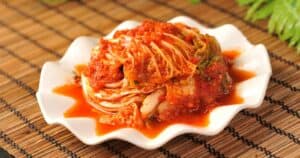
Kimchi Geotjeori: Fresh and Less Fermented

Kimchi geotjeori means “stuff tossed” and describes fresh kimchi eaten immediately after mixing rather than aged for weeks. The result: crispness, brightness, and fermented flavor without the deep funk or intense sourness of aged kimchi.

This style provides characteristic garlic, salt, and chili notes without aggressive acidity. If you’ve avoided kimchi due to the strong fermented smell, geotjeori offers a gentler introduction to this cornerstone ingredient.

Non-spicy banchan to try first:
Kongnamul: Seasoned soybean sprouts with nutty sesame notes
Sigeumchi-namul: Blanched spinach with sesame oil and soy
Gyeran-mari: Soft, slightly sweet rolled omelette
Dubu-jorim: Braised tofu in savory-sweet sauce

Combine a small spoonful of any banchan with plain rice to moderate strong flavors. This mixing technique is exactly how Koreans balance tastes in each bite.

Korean Desserts and Drinks to Try

Korean sweets lean toward refreshing rather than rich, making them palate cleansers as much as indulgences.

Patbingsu: Shaved Ice Perfection

Patbingsu layers finely shaved ice (often milk-based) with sweetened red beans, condensed milk, fresh fruits, and chewy mini mochi rice cakes. Think snowcone meets sundae, but more sophisticated.

The milk-based ice melts slower than plain water ice, maintaining texture throughout eating. Toppings vary by shop:
– Traditional: Red beans, condensed milk, rice cakes
– Fruit-forward: Strawberries, kiwi, mango, blueberries
– Green tea: Matcha ice cream, wafers, red bean paste

Korean Bapsang recommends cooking red beans low and slow for intact texture. The nutty sweetness of properly prepared adzuki beans elevates this from simple shaved ice to memorable dessert.

Popular Korean Beverages

Korean meals pair well with drinks designed to complement rather than compete with food flavors.

  • Boricha (barley tea): Roasted, slightly nutty, served cold or hot
  • Yuja-cha (citrus honey tea): Sweet, tart, soothing
  • Sikhye (sweet rice punch): Mildly sweet, refreshing after BBQ
  • Misugaru (roasted grain drink): Nutty, almost peanut-butter-like flavor

These beverages cut through rich, savory, or spicy foods without overpowering them. Most Korean restaurants offer boricha as a default table water alternative.

How to Order Korean Food as a Beginner

Walking into a Korean restaurant without knowing the system creates unnecessary stress. Here’s exactly what to expect and how to navigate menus with confidence.

Restaurant Etiquette Tips

Banchan arrives automatically at most traditional Korean restaurants. These small dishes are included with your meal price and get refilled on request. Don’t hesitate to ask for more of what you enjoy.

Essential menu terms to recognize:
Bap/Gonggi-bap: Steamed rice or extra rice bowl
Jjigae/Tang: Stews and soups
Jeon: Savory pancakes
Samgyeopsal: Pork belly (common BBQ cut)
Galbi: Marinated short ribs

To request less spice: Say “less spicy please” or point to dishes and ask about heat level. Most restaurants accommodate reduced spice for soups, stews, and noodle dishes.

What to Expect at a Korean Restaurant

Solo dining: Order single-plate dishes like bibimbap, naengmyeon (cold noodles), or sundubu jjigae (soft tofu stew). These are portioned for one person. Banchan still arrives but in smaller quantities.

Group dining: Korean meals are communal. Order several shared main dishes and let everyone sample. For BBQ, groups typically order multiple meat cuts and share grill time.

KPOT and chain restaurants work well for beginners because they offer English menus, staff assistance with grilling, and often all-you-can-eat options that encourage sampling without menu anxiety.

Chopstick etiquette matters: Never stick chopsticks upright in rice (funeral ritual association) and avoid pointing with them. Use provided tongs for shared banchan rather than your personal utensils.

Making Korean Food at Home: Beginner Tips

Stocking a few shelf-stable ingredients opens up dozens of Korean recipes without specialty shopping trips.

Essential Ingredients to Stock

Ingredient Uses Shelf Life
Gochujang Bibimbap sauce, marinades, stews 1+ year refrigerated
Soy sauce Everything savory 2+ years
Sesame oil Finishing oil, marinades 6 months
Gochugaru (chili flakes) Kimchi, stews, seasoning 6+ months
Doenjang (soybean paste) Stews, dipping sauces 1+ year refrigerated

H-Mart and other Asian markets stock these items readily. Amazon Prime carries major brands for those without local access.

Easiest Dishes to Make First

Start here for quick wins that build confidence:

Kimchi fried rice (15 minutes): Stir-fry day-old rice with chopped kimchi, a splash of kimchi juice, and a fried egg on top. Shorty’s Food Truck advises that more kimchi juice equals more flavor.

Bulgogi (20 minutes active): Marinate thinly sliced beef overnight, then pan-sear until caramelized. Serve over rice.

Japchae (30 minutes): Blanch sweet potato noodles, stir-fry vegetables separately, then toss everything with soy-sesame-sugar sauce.

For video tutorials, Maangchi provides detailed instructions with ingredient substitution suggestions. Her approach assumes Western kitchen setups and grocery availability.

FAQ

What Korean dish should I try first if I hate spicy food?

Order bulgogi or galbi (marinated beef or short ribs) at any Korean restaurant. Both feature sweet-savory marinades with zero chili. Korean BBQ restaurants let you grill these yourself and skip all spicy sauces entirely.

Are there vegetarian options in Korean cuisine?

Yes. Bibimbap works without meat, japchae can be made vegetable-only, and many banchan are naturally plant-based. Ask servers to confirm which dishes contain anchovy broth or fish sauce, as these hide in unexpected places.

How much does a typical Korean restaurant meal cost?

Individual dishes like bibimbap or jjigae run $12-18 at casual restaurants. Korean BBQ ranges from $25-50 per person depending on meat quality and whether you choose all-you-can-eat. Banchan is always included regardless of price point.

Is it rude to ask for less spicy food at Korean restaurants?

Not at all. Restaurants regularly accommodate spice preferences. Simply say “less spicy please” when ordering, or ask which menu items are naturally mild. Many establishments offer reduced-heat versions of traditionally spicy dishes.

What’s the proper way to eat Korean BBQ?

Grill meat 1-2 minutes per side, place a piece in a lettuce leaf, add a dab of ssamjang sauce and a slice of garlic, fold the leaf around everything, and eat in one bite. Use tongs for grilling and shared serving, not your personal chopsticks.

Can I make authentic Korean food without an Asian grocery store?

Most recipes work with mainstream supermarket ingredients plus a few shelf-stable items ordered online. Gochujang, sesame oil, and soy sauce cover 80% of beginner recipes and ship via Amazon Prime.

What does banchan taste like?

Banchan ranges from tangy pickled vegetables to nutty sesame-dressed spinach to sweet-savory braised tofu. Flavors vary widely by dish. Start with non-spicy options like kongnamul (bean sprouts) or gyeran-mari (egg roll) before trying fermented kimchi varieties.

How do I know if a Korean dish will be too spicy for me?

Red color signals potential heat. Dishes with gochujang (red pepper paste) or gochugaru (red pepper flakes) contain chili. Ask servers directly about spice levels, or look for dishes described as “soy-based” or “non-spicy” on menus.

Share your love
Bill Kalkumnerd
Bill Kalkumnerd

I am Bill, I am the Owner of HappySpicyHour, a website devoted to spicy food lovers like me. Ramen and Som-tum (Papaya Salad) are two of my favorite spicy dishes. Spicy food is more than a passion for me - it's my life! For more information about this site Click

Leave a Reply

Your email address will not be published. Required fields are marked *