Is Sushi Meant to Be Eaten in One Bite? The Complete Guide to Sushi Etiquette

Traditional Japanese sushi is meant to be eaten in one bite, and the answer from centuries of culinary tradition is a resounding yes. Each piece represents roughly 6 centimeters of carefully balanced fish, rice, and seasoning designed to deliver a complete flavor experience in a single mouthful. This guide covers the cultural origins behind this practice, techniques for different sushi types, and how to navigate both formal omakase bars and casual Japanese restaurants.

The One-Bite Rule: Why Sushi Is Traditionally Eaten Whole

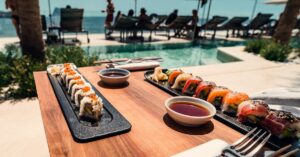
Perfectly formed nigiri sushi showcasing the traditional one-bite presentation method

Sushi chefs spend years perfecting the art of creating pieces sized precisely for your mouth. The tradition stems from Edo-period Japan (1603–1868), when nigiri emerged as a quick street food designed for immediate consumption. Breaking a piece disrupts everything the chef worked to achieve.

Historical Origins of the One-Bite Tradition

The one-bite custom emerged when sushi vendors sold fresh fish over rice as fast food in Tokyo’s bustling streets. Speed and freshness mattered. Customers ate standing, consumed their sushi whole, and moved on. This practical origin evolved into a mark of respect for the chef’s craft.

During this era, sushi pieces were actually larger than modern versions. As the tradition refined, chefs standardized sizing to fit comfortably in one bite. Renowned sushi master Jiro Ono emphasizes that properly made sushi measures approximately 6 centimeters long, the ideal dimension for single-bite consumption according to Fine Dining Lovers.

The Science Behind Sushi’s Structural Integrity

The rice in sushi, called shari, holds together through a delicate balance of pressure and moisture. Chefs press it firmly enough to maintain shape but loosely enough to dissolve pleasingly on the tongue. Biting halfway through destroys this engineering.

  • Rice compression: Shari contains thousands of individual grains held by surface tension and vinegar coating
  • Fish placement: The topping sits at a precise angle to stay attached during pickup and transport to mouth
  • Temperature design: Body-temperature rice against cool fish creates contrast meant to be experienced simultaneously
  • Structural failure point: Once bitten, the remaining half loses integrity within seconds

The fish-to-rice ratio represents another calculated decision. Too much fish overwhelms the palate. Too much rice dilutes the seafood’s flavor. Eating half means tasting these elements separately rather than as the unified experience the chef intended.

Different Types of Sushi and How to Eat Each One

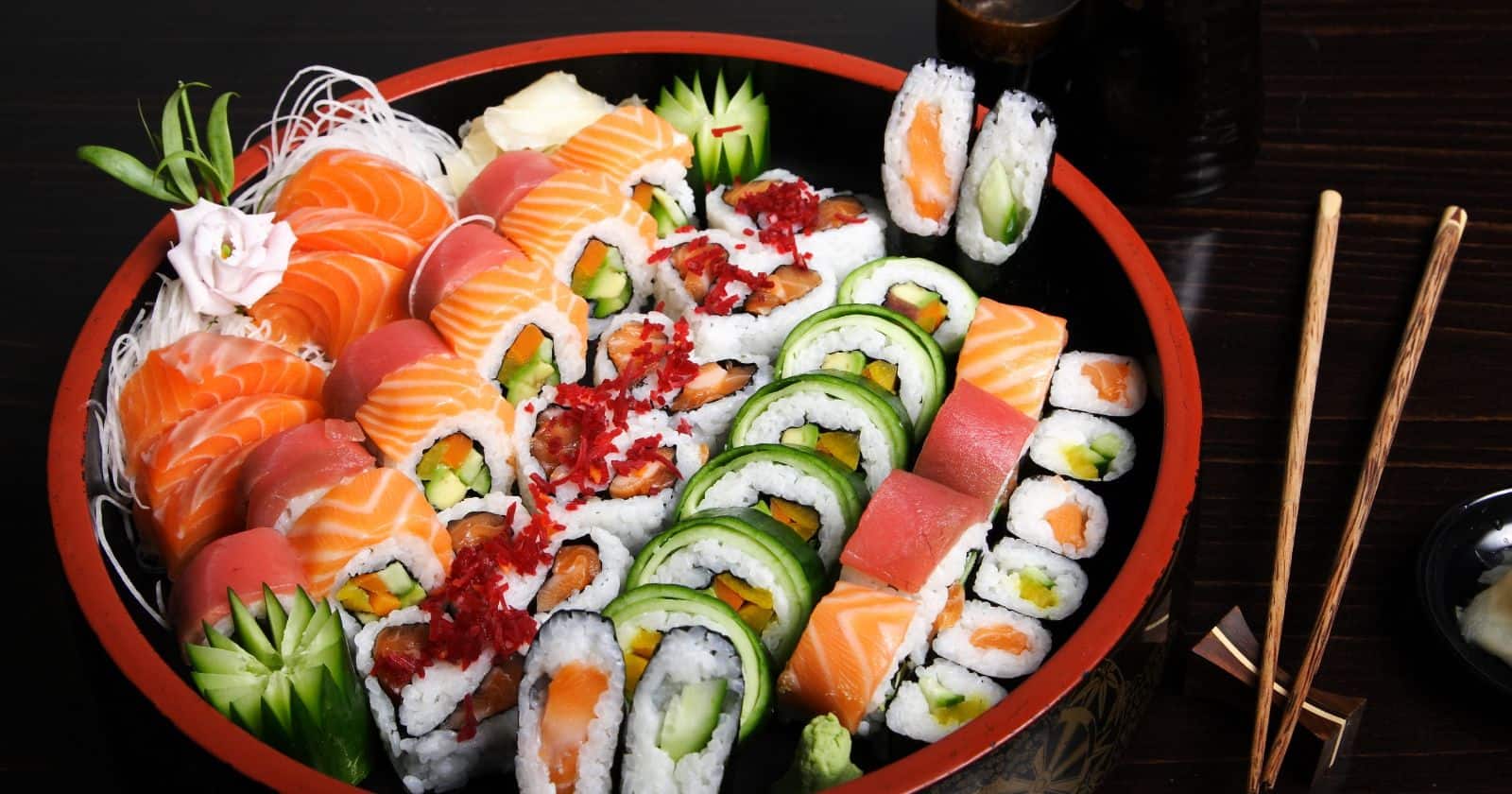
Various types of sushi displayed showing proper eating techniques for different sushi styles

Not all sushi follows identical eating rules. The type dictates the technique, and knowing the differences elevates your dining experience from tourist to informed enthusiast.

Nigiri Sushi: The Classic One-Bite Experience

Nigiri represents the purest expression of the one-bite rule. A slice of fish draped over a small rice pillow, sized specifically for single consumption. Never attempt to eat nigiri in multiple bites.

Pick up nigiri by gently grasping the sides. Turn it fish-side down before dipping lightly in soy sauce. Place the entire piece in your mouth with the fish touching your tongue first. This sequence maximizes flavor impact because your taste receptors hit the fish immediately.

Maki Rolls: When One Bite Isn’t Always Possible

Standard maki rolls follow the one-bite guideline. However, larger variations like futomaki (thick rolls) and American-style specialty rolls present physical challenges even for those with generous mouths.

Roll Type Typical Diameter Bite Recommendation
Hosomaki (thin) 2-3 cm Always one bite
Standard maki 3-4 cm One bite preferred
Futomaki (thick) 5-6 cm Two bites acceptable
American specialty 4-7 cm Two bites often necessary

For oversized rolls, commit to two decisive bites rather than attempting an uncomfortable one-bite approach. The key: finish the second bite immediately without setting the roll down.

Hand Rolls (Temaki): Eating Cone-Shaped Sushi

Hand rolls break all the standard rules. These cone-shaped creations wrapped in crispy nori require multiple bites and must be eaten quickly before the seaweed loses its crunch. Hold temaki like an ice cream cone and eat continuously.

The seaweed begins absorbing moisture from the rice within 60-90 seconds of assembly. Speed matters more than elegance here. Restaurants serving quality temaki prepare each one individually to ensure freshness upon delivery.

Sashimi: Not Sushi, Different Rules

Sashimi contains no rice, making it technically not sushi at all. These pure fish slices follow different sushi etiquette rules entirely. Always use chopsticks, never hands. Dip freely in soy sauce since no rice exists to absorb excess liquid.

Sashimi pieces arrive pre-sliced for single-bite consumption, though larger cuts of fatty tuna or salmon belly sometimes warrant two bites. The chef’s presentation guides appropriate portion sizing according to Cobo Sushi.

Step-by-Step Guide: The Proper Way to Eat Sushi

Mastering the proper way to eat sushi involves technique refinements that enhance flavor while respecting tradition. These methods developed over centuries to optimize the eating experience.

Picking Up Sushi: Chopsticks vs. Fingers

Using your fingers to eat nigiri is completely traditional and often preferred by purists. Hands provide gentler pressure than chopsticks, reducing the risk of crushing the delicate rice structure. High-end sushi bars expect guests to use either method comfortably.

  • Fingers: Traditional, offers better control, acceptable at all sushi restaurants
  • Chopsticks: Common in formal settings, requires gentle technique, preferred for sashimi
  • Mixed approach: Many diners use fingers for nigiri and chopsticks for rolls

Whichever method you choose, handle sushi like a ripe peach. Firm enough to transport but gentle enough to preserve structure.

How to Apply Soy Sauce Correctly

The fish side dips into soy sauce. Never the rice. This single rule prevents the most common sushi faux pas: soggy rice that falls apart before reaching your mouth.

Pour a small amount of soy sauce into your dish. Excessive soy signals inexperience to chefs. Turn nigiri on its side, dip only the fish portion briefly, and proceed to eat. The chef has already seasoned the rice with vinegar. Additional soy sauce on rice overwhelms that careful balance.

The One-Bite Technique Explained

Position the sushi so it enters your mouth fish-first. Your tongue’s most sensitive taste receptors sit at the front. Fish contact there delivers maximum umami impact before the rice adds its subtle vinegar notes.

Open wide enough to accommodate the full piece without discomfort. Chew slowly to experience the textural progression: the initial cool fish, the yielding rice, the lingering wasabi heat. This complete sensory arc happens only when all elements combine simultaneously.

For those with smaller mouths, asking the chef for smaller pieces shows sophistication, not weakness. Sushi masters accommodate such requests routinely and appreciate guests who prioritize proper consumption over struggling through oversized bites according to Omakase JE.

Casual vs. Formal Sushi Dining Etiquette

Sushi dining rules vary dramatically between the conveyor belt restaurant and the omakase counter. Reading the environment correctly prevents awkwardness and enhances enjoyment.

Etiquette at High-End Sushi Bars

Omakase experiences demand attention and respect. The chef prepares each piece specifically for you, timing delivery for optimal freshness. Eating immediately after receiving each course shows proper appreciation.

  • Dress code: Smart casual minimum. Avoid shorts, sandals, or graphic t-shirts
  • Conversation: Keep voices low. The atmosphere resembles a tasting room, not a party
  • Photography: Ask permission first. Many high-end establishments discourage phone use
  • Ordering: Trust the chef’s sequence. The progression from light to rich fish is intentional
  • Pacing: Match the chef’s rhythm. Finishing too quickly or too slowly disrupts the experience

Reservations often require advance booking for omakase priced above ¥10,000. Cancellation policies tend toward strict enforcement because ingredients are purchased specifically for confirmed guests.

Relaxed Rules at Casual Japanese Restaurants

Kaiten (conveyor belt) sushi and casual Japanese restaurants welcome a looser approach. Conversation flows freely. Eating order becomes personal preference. The atmosphere encourages experimentation.

Setting One-Bite Expectation Hands vs. Chopsticks Soy Sauce Rules
Omakase bar Strictly expected Either accepted Fish-side only, minimal
Mid-range restaurant Strongly encouraged Either accepted Fish-side preferred
Conveyor belt Flexible Either accepted Personal preference
Takeout/delivery No expectations Whatever works No judgment

Even in casual settings, dipping rice in soy sauce marks you as uninformed. Some rules transcend formality levels because they affect taste, not just etiquette.

What Sushi Chefs Say About One-Bite Consumption

Professional sushi chefs design every element for single-bite appreciation. Understanding their perspective transforms sushi from food into edible art.

Chefs calculate fish-to-rice ratios with precision. Too much fish overwhelms. Too much rice dilutes. The proportion reaching your palate represents deliberate artistic choice. Eating half delivers a different ratio than the chef intended.

The temperature interplay receives equal attention. Rice arrives at body temperature while fish stays cool. This thermal contrast creates sensory complexity impossible to replicate with multiple bites as the sushi reaches ambient temperature between bites.

When customers break sushi apart, chefs notice. While most remain too polite to comment, repeated half-bites signal that the diner misunderstands their craft. Asking for smaller pieces demonstrates awareness and earns respect.

Fresh ingredients deteriorate rapidly once assembled. The clock starts when fish meets rice. Maximum flavor combination occurs within the first 30 seconds of plating. Eating in one bite captures peak freshness that second bites cannot access according to Hiro 88.

Common Sushi Etiquette Mistakes to Avoid

Avoiding errors matters less than understanding why certain practices exist. Knowledge transforms rules from arbitrary restrictions into logical enhancements.

Don’t Bite Sushi in Half and Put It Back

Biting nigiri halfway and returning the remainder to your plate creates multiple problems. The exposed rice surface dries immediately. Structural integrity fails. Appearance becomes unappetizing. The flavor profile shifts as ingredients separate.

If a piece proves too large, commit to finishing it. Chew with your mouth closed and work through the challenge. Future pieces can be requested in smaller sizes. Setting down a half-eaten piece represents the single most visible etiquette violation in Japanese dining customs.

Avoid Drowning Sushi in Soy Sauce

Quality sushi contains carefully balanced seasoning. The rice holds vinegar. Wasabi sits between fish and rice. Chefs brush some pieces with their own soy-based sauce. Excessive additional soy sauce negates this preparation.

Dip briefly. One quick touch of fish to sauce suffices. The goal: accent, not saturation. Brown-colored rice signals overuse. Clear rice grains with slight soy glaze represent proper application.

Never Mix Wasabi into Soy Sauce

Creating a wasabi-soy slurry violates traditional sushi etiquette for reasons beyond mere convention. The mixture dilutes wasabi’s distinctive nasal heat into a muddy flavor. Fresh wasabi deserves better treatment.

  • Wasabi placement: Already added by chef between fish and rice in proper nigiri
  • Additional wasabi: Place directly on fish if desired, never in soy dish
  • Exception: Some casual restaurants serve pre-mixed wasabi soy, acknowledging Western preferences
  • Chef’s reaction: Mixing in soy signals unfamiliarity with traditional preparation

Pickled ginger serves as a palate cleanser between different fish types. Placing ginger on top of sushi misuses this ingredient. Eat ginger between pieces, not with them, to reset your taste buds for the next flavor experience according to KuruKuru Sushi Hawaii.

FAQ

What if sushi is too big for my mouth?

Ask the chef to prepare smaller pieces. This request shows sophistication and respect for proper consumption. Chefs accommodate such requests routinely and prefer it over watching guests struggle or bite pieces in half.

Is it rude to eat sushi with chopsticks instead of hands?

Both methods are completely acceptable in Japanese tradition. High-end sushi bars expect competence with either approach. Hands often work better for nigiri since they apply gentler pressure than chopsticks.

Should I eat the pickled ginger with my sushi?

Ginger functions as a palate cleanser between different fish types. Eat it separately, not stacked on sushi. The sharp flavor prepares your taste buds for the next piece rather than complementing the current one.

How quickly should I eat sushi after it’s served?

Immediately. Sushi reaches optimal flavor within 30 seconds of plating. Rice begins drying and fish starts warming toward room temperature. The faster you eat, the closer to the chef’s intended experience you get.

Can I ask for soy sauce on the side if the chef already seasoned my sushi?

At omakase counters, the chef’s preparation is complete. Additional soy sauce is unnecessary and potentially insulting. At casual restaurants, soy sauce remains available for personal preference without judgment.

Is it okay to eat sushi rolls in two bites?

Standard maki rolls should be eaten in one bite. Larger specialty rolls and futomaki often require two bites due to size. The key: finish both bites consecutively without setting the roll down between them.

Why do some sushi chefs serve pieces one at a time?

Individual service ensures optimal freshness and allows the chef to pace your meal. Each piece arrives at peak condition. This style, common in omakase, creates a personalized dining narrative from lighter fish to richer flavors.

What’s the proper order for eating different types of sushi?

Traditional progression moves from lighter, white-fleshed fish to richer, fattier varieties. This sequence prevents stronger flavors from overwhelming delicate ones. Trust the chef’s serving order at omakase restaurants rather than making specific requests.

Share your love
Bill Kalkumnerd
Bill Kalkumnerd

I am Bill, I am the Owner of HappySpicyHour, a website devoted to spicy food lovers like me. Ramen and Som-tum (Papaya Salad) are two of my favorite spicy dishes. Spicy food is more than a passion for me - it's my life! For more information about this site Click

Leave a Reply

Your email address will not be published. Required fields are marked *