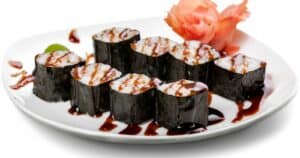
Is Sushi Bad for Gout? A Complete Guide to Safe Sushi Choices

Gout flare-ups send millions of sushi lovers into panic mode, wondering if their favorite rolls are now off-limits. The reality? Is sushi bad for gout depends entirely on what fish you choose and how much you eat. This guide breaks down purine levels in every common sushi fish, reveals which rolls trigger attacks, and shows you exactly how to build a gout-friendly sushi meal.

Understanding Gout and How Diet Affects It

Visual guide showing how sushi and seafood affect gout symptoms and uric acid levels

Gout attacks happen when needle-sharp uric acid crystals form in your joints, triggering intense pain that can wake you at 3 AM. Your body creates uric acid by breaking down purines found in certain foods. Knowing which foods contain high purines gives you direct control over flare frequency.

What Is Gout and What Causes Flare-Ups?

Gout is inflammatory arthritis that strikes suddenly, usually hitting the big toe first with severe swelling, redness, and pain. The underlying culprit is hyperuricemia, meaning too much uric acid circulating in your blood. When levels climb high enough, uric acid crystallizes in joint spaces.

  • Uric acid levels above 6.8 mg/dL create conditions for crystal formation
  • Crystals trigger your immune system to attack, causing inflammation
  • Attacks typically last 3-10 days without treatment
  • Repeat attacks damage joints permanently over time

The Arthritis Foundation notes that untreated gout becomes more frequent and spreads to additional joints.

The Role of Purines and Uric Acid

Purines exist naturally in your body and in many foods you eat daily. Your liver processes purines into uric acid, which normally filters through your kidneys into urine. Problems start when production exceeds elimination.

Purine-rich foods cause the biggest spikes in uric acid:

  • Organ meats like liver and kidney
  • Certain seafood and shellfish
  • Red meat in large quantities
  • Beer and spirits

The Mayo Clinic recommends limiting daily purine intake to reduce attack frequency. Diet alone won’t cure gout, but smart food choices significantly decrease how often you suffer.

Purine Content in Common Sushi Fish: A Complete Breakdown

Chart showing purine content levels in common sushi fish varieties for gout sufferers

Fish purine content varies dramatically, from salmon’s 63-75mg per 100g to sardines topping 480mg per 100g. This sixfold difference means your sushi choices directly impact your gout risk. Picking the right fish transforms sushi from gout trigger to safe indulgence.

High Purine Fish to Avoid

These fish contain 150-400+ mg purines per 100g and should stay off your sushi order:

Fish Purine Content (mg/100g) Gout Risk
Sardines 330-480 Very High
Anchovies 109-239 High
Herring 99-210 High
Mackerel 71-178 High

Sardines pack the biggest punch at nearly 480mg purines when preserved in oil. A single sardine roll could deliver your entire day’s purine budget. Health UMMS lists these fish among the top gout triggers.

Moderate Purine Fish to Limit

These options fall in the 100-150mg per 100g range. You can eat them occasionally, but portion control matters.

  • Tuna ranges widely from 49-290mg depending on type and preparation
  • Yellowtail sits in the moderate range, requiring portion awareness
  • Eel (smoked) contains 45-110mg, acceptable in small amounts

Tuna’s wide purine range makes it tricky. Fresh tuna tends higher than canned light varieties. Stick to 1-2 pieces of tuna nigiri rather than a full tuna roll.

Low Purine Fish That Are Safer Choices

These fish offer the best balance of flavor and gout safety:

Fish Purine Content (mg/100g) Notes
Salmon 63-75 Rich in anti-inflammatory omega-3s
Whitefish (sole, cod) 55-109 Very safe choice
Shrimp ~93 per 3.5oz Lower than most shellfish

Salmon emerges as the clear winner. Research published in PubMed found that omega-3-rich seafood like salmon showed no correlation with increased gout risk, while omega-3-poor seafood raised risk by 8.7% per unit consumed.

Shellfish and Sushi: Special Considerations for Gout

Shellfish generally causes more gout problems than fish because of higher purine concentrations. Scallops contain 138mg purines per 100g, more than double salmon’s content. Understanding which shellfish to avoid prevents painful surprises after your sushi dinner.

Why Shellfish Is Particularly Problematic

Shellfish accumulate purines differently than regular fish, resulting in consistently higher concentrations. Your body absorbs these purines efficiently, leading to rapid uric acid spikes.

  • Lobster, crab, and mussels rank among top dietary gout triggers
  • Shellfish purines convert quickly to uric acid after eating
  • Even moderate portions cause measurable uric acid increases
  • Combined with soy sauce sodium, the effect amplifies

Scallops, Shrimp, and Crab: Where Do They Stand?

Not all shellfish pose equal risk. Here’s your decision guide:

Shellfish Purine Content (mg/100g) Recommendation
Scallops ~138 Avoid
Crab ~49 Limit
Shrimp ~62 Moderation OK

Shrimp surprises many gout sufferers with its relatively low purine content. Dr. Ronenn Roubenoff, retired Global Translational Medicine expert, classifies shrimp as moderate-purine food safe in cautious amounts, while placing scallops in the avoid category according to the Arthritis Foundation.

Popular rolls to watch out for:

  • Dragon Roll often contains shrimp tempura
  • Spider Roll features soft-shell crab
  • Scallop Roll should be skipped entirely
  • Lobster Roll falls in the avoid category

Swap shellfish rolls for salmon or vegetable alternatives. You’ll barely notice the difference in satisfaction while dramatically reducing your flare risk.

Best Sushi Choices for Gout Sufferers

Vegetable rolls and salmon-based options give you the full sushi experience without purine overload. The best sushi for gout combines low-purine ingredients with anti-inflammatory benefits, letting you enjoy restaurant sushi confidently.

Vegetable Rolls and Plant-Based Options

Plant-based sushi contains negligible purines, making these rolls completely safe regardless of your gout severity:

  • Cucumber Roll (Kappa Maki) delivers refreshing crunch with zero risk
  • Avocado Roll provides healthy fats and creamy texture
  • Sweet Potato Roll offers satisfying substance without purines
  • Asparagus Roll adds variety to your safe options

These rolls let you fill up before reaching for riskier fish options. Start your meal with two vegetable rolls, then add carefully chosen fish pieces.

Lower-Purine Fish Nigiri and Sashimi

Salmon nigiri represents your best fish choice for multiple reasons. Beyond low purine content, salmon’s omega-3 fatty acids actively fight inflammation.

Research demonstrated that omega-3-rich seafood may counteract purine’s harmful effects on gout development. Your salmon order might actually help rather than hurt.

Safe low purine sushi fish options include:

  • Sake (Salmon): 2-3 pieces per meal
  • Tai (Red Snapper): Low purine, mild flavor
  • Hirame (Flounder): Very low purine choice

Creative Sushi Alternatives

Beyond standard rolls, explore these gout safe options:

Inari Sushi consists of seasoned rice stuffed in sweet tofu pouches. Tofu provides protein without significant purine content, making inari a reliable choice.

Tamago (Egg Sushi) offers another low-purine protein source. The sweet Japanese omelet contains almost no purines while delivering satisfying protein.

Chirashi Bowl with selective toppings lets you control exactly what goes on your rice. Request salmon, egg, and vegetables while skipping shellfish and high-purine fish.

Sushi Ingredients Beyond Fish: Hidden Gout Triggers

The fish gets all the attention, but soy sauce, alcohol, and roe quietly sabotage your gout management. High sodium impairs your kidneys’ ability to clear uric acid. That innocent soy sauce dish might contribute more to your next flare than the fish itself.

Soy Sauce and Sodium Concerns

Standard soy sauce delivers 900-1000mg sodium per tablespoon. High sodium intake affects kidney function, reducing your body’s uric acid clearance efficiency.

Smarter alternatives:

  • Low-sodium soy sauce cuts sodium by 40-50%
  • Coconut aminos provide similar flavor with less sodium
  • Ponzu sauce offers citrus notes with reduced sodium impact
  • Light dipping rather than soaking reduces intake significantly

Request low-sodium soy sauce at restaurants. Most quality sushi places stock it for health-conscious diners.

Alcohol Pairings to Avoid

Beer and sake with sushi creates a perfect storm for gout attacks. Beer contains purines from brewer’s yeast while simultaneously impairing uric acid excretion.

The double impact:

  • Alcohol increases uric acid production in your liver
  • Alcohol reduces uric acid excretion through kidneys
  • Beer’s purines add direct uric acid precursors
  • Dehydration from alcohol concentrates uric acid

Skip the sake bomb. Drink water or green tea instead. Your joints will thank you the next morning.

Other Ingredients to Watch

Roe (fish eggs) appears in many sushi preparations and contains significant purines. Tobiko, ikura, and masago all warrant caution.

Tempura batter creates additional concerns. Fried elements promote inflammation independent of purine content. The combination of fried shellfish in a tempura roll multiplies your risk.

Watch for these hidden additions:

  • Spicy mayo often tops rolls containing roe
  • Crunch toppings frequently include tempura flakes
  • “Special sauce” may contain ingredients affecting uric acid

Dining Out: How to Order Sushi Safely with Gout

Strategic ordering transforms restaurant sushi from minefield to manageable pleasure. The key involves communicating with your chef, controlling portions, and filling up on safe sides. Your server expects dietary requests and can guide you toward gout-friendly options.

Questions to Ask at the Sushi Restaurant

Start your meal by gathering information:

  • “Which fish do you have that’s lowest in purines?”
  • “Is this roll made with real crab or imitation crab?”
  • “Do you have low-sodium soy sauce available?”
  • “What vegetable rolls do you recommend?”

Sushi chefs appreciate informed customers. They’ll often suggest modifications you hadn’t considered.

Portion Control Strategies

Portion control determines whether your sushi dinner triggers a flare or passes without incident:

  • Limit high-purine fish to 1-2 pieces maximum
  • Fill your order with vegetable rolls first
  • Choose nigiri over rolls (easier to track fish quantity)
  • Share specialty rolls rather than ordering your own

The Cleveland Clinic emphasizes that total daily purine intake matters more than avoiding specific foods entirely.

Building a Gout-Friendly Sushi Meal

Here’s a sample order that satisfies without triggering:

Course Item Purine Risk
Starter Miso soup + Edamame Negligible
Roll 1 Cucumber or Avocado roll None
Roll 2 Salmon Avocado roll Low
Nigiri 2 pieces Salmon, 1 Tamago Low
Beverage Green tea or water None

This meal delivers full sushi satisfaction while keeping total purines well under concerning levels. The edamame and soup fill you up before fish arrives.

Making Sushi at Home: Complete Control Over Ingredients

Home sushi preparation eliminates guesswork entirely. You choose every ingredient, control every portion, and avoid hidden triggers. Low purine sushi becomes guaranteed when you’re the chef.

Low-Purine Sushi Recipes to Try

Simple Vegetable Roll

Ingredients:
– Nori sheets
– Prepared sushi rice
– Julienned cucumber, avocado, carrot
– Optional: cream cheese for texture

Roll tightly, slice into 8 pieces. Serve with low-sodium soy sauce. Zero purine concerns with complete satisfaction.

Salmon Avocado Roll

  • Fresh sushi-grade salmon (moderate portion)
  • Ripe avocado slices
  • Sushi rice and nori
  • Sesame seeds for garnish

This roll combines salmon’s anti-inflammatory omega-3s with avocado’s healthy fats. Two rolls provide plenty of fish without excessive purines.

Ingredient Swaps for Gout-Friendly Rolls

Transform any recipe with these substitutions:

Original Ingredient Gout-Friendly Swap
Crab Tofu strips or cucumber
Scallops Salmon or egg
Tempura shrimp Grilled shrimp or avocado
Regular soy sauce Low-sodium soy sauce
Roe topping Sesame seeds or scallion

Tofu works surprisingly well in sushi. The Soy Connection confirms that soy products don’t significantly raise serum uric acid levels.

Meal prep tip: Prepare rice and slice vegetables on Sunday. Assembly takes only minutes on weeknights, making homemade sushi practical for regular gout diet management.

The Bigger Picture: Sushi as Part of a Gout-Friendly Diet

Sushi fits comfortably into gout management when approached as an occasional treat rather than weekly habit. Your overall dietary pattern matters more than any single meal. Smart choices across all meals create room for enjoying sushi without constant worry.

How Often Can You Safely Eat Sushi?

Frequency recommendations depend on your fish choices:

  • Vegetable-focused sushi: Weekly if desired
  • Salmon-based meals: Every 1-2 weeks
  • Mixed fish including moderate-purine options: Monthly

The Mediterranean diet approach applies perfectly to sushi dining. Emphasize vegetables, choose fish wisely, limit red meat elsewhere, and drink plenty of water. Japanese dietary patterns that include regular fish consumption show lower gout rates than Western diets.

Balancing Sushi with Other Dietary Choices

Your sushi day requires adjustments elsewhere:

  • Skip red meat the same day
  • Avoid alcohol completely
  • Drink extra water before and after
  • Choose low-purine breakfast and lunch options

Hydration plays a critical role in uric acid reduction. Water helps your kidneys flush excess uric acid. Aim for 8-10 glasses on sushi days.

The NIAMS emphasizes that dietary modification works best alongside medical treatment when needed. Sushi choices complement, but don’t replace, proper gout management with your healthcare provider.

FAQ

Can you eat sushi with gout if you’re currently having a flare-up?

During an active flare, avoid all sushi containing fish or shellfish. Stick to vegetable rolls only if you must eat sushi. Your body is already processing excess uric acid, and any additional purines will prolong your attack.

Is imitation crab safe for gout sufferers?

Imitation crab (surimi) typically contains pollock and other whitefish, making it lower in purines than real crab. Check ingredients for shellfish additives. Most imitation crab is reasonably safe in moderate portions.

Does wasabi affect gout or uric acid levels?

Wasabi has no significant purine content and won’t directly affect your gout. Some research suggests wasabi has mild anti-inflammatory properties. Use it freely as a condiment without concern.

How much salmon sushi can I eat safely in one sitting?

Most gout patients tolerate 4-6 pieces of salmon nigiri per meal without issues. This provides roughly 150-200g of fish, keeping purine intake within reasonable limits. Pair with vegetable rolls to complete your meal.

Are sushi rice and seaweed safe for gout?

Both sushi rice and nori seaweed contain negligible purines. These ingredients pose zero gout risk. The rice’s carbohydrates and seaweed’s minerals actually support healthy kidney function.

Does the mercury in sushi fish affect gout?

Mercury and purines are separate concerns. While mercury toxicity is a valid health consideration for frequent sushi eaters, it doesn’t directly worsen gout. Follow general mercury guidelines regardless of gout status.

Can omega-3 supplements replace eating salmon for anti-inflammatory benefits?

Omega-3 supplements provide anti-inflammatory benefits without any purine intake. However, they don’t replicate the full nutritional profile of salmon. Consider both approaches: supplements daily and salmon sushi occasionally.

Is all-you-can-eat sushi ever safe for gout patients?

All-you-can-eat situations encourage overeating, which spikes purine intake dangerously. If you attend, commit to vegetable rolls and salmon only, stopping after your planned portions regardless of remaining appetite.

Share your love
Bill Kalkumnerd
Bill Kalkumnerd

I am Bill, I am the Owner of HappySpicyHour, a website devoted to spicy food lovers like me. Ramen and Som-tum (Papaya Salad) are two of my favorite spicy dishes. Spicy food is more than a passion for me - it's my life! For more information about this site Click

Leave a Reply

Your email address will not be published. Required fields are marked *