
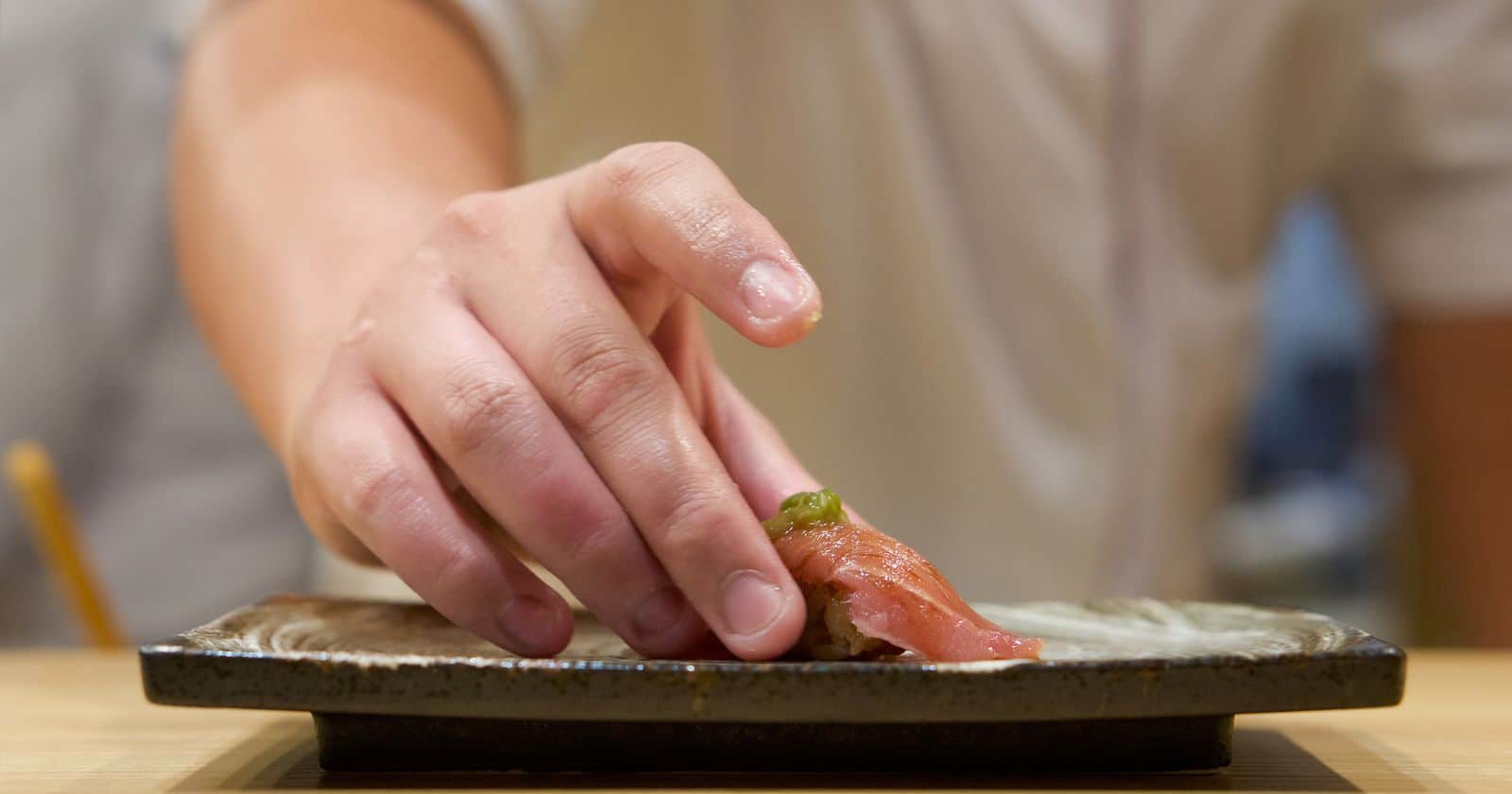
That bright green paste on your sushi plate probably isn’t wasabi at all. Over 95% of restaurants serve horseradish dyed green, which explains why your “wasabi experience” feels like a punch to the sinuses rather than a refined flavor enhancer. This guide reveals how to eat sushi with wasabi authentically, from proper application techniques to the etiquette that separates casual diners from those who truly appreciate this culinary art.
Understanding Wasabi: More Than Just a Spicy Condiment
Real wasabi delivers a clean, fleeting heat that stimulates your sinuses without lingering on your tongue. The rhizome of Wasabia japonica produces complex flavors with subtle sweetness, while the horseradish substitute found in most restaurants offers only aggressive, one-dimensional burn.
Real Wasabi vs. Imitation: What You’re Actually Eating
The difference becomes obvious once you know what to look for. Authentic wasabi appears pale green with a smooth texture from fresh grating. Imitation versions glow neon green with a gritty or gel-like consistency from additives and food coloring.
Visual and sensory differences:
- Color: Real wasabi has a natural, muted green. Fake wasabi looks artificially bright
- Texture: Authentic paste feels smooth and fine. Imitation feels coarse or pasty
- Aroma: Real wasabi smells fresh and slightly sweet. Fake wasabi has a sharp, chemical edge
- Heat duration: Genuine wasabi heat fades within seconds. Horseradish burn lingers uncomfortably
Price explains the prevalence of imitation wasabi. Real Wasabia japonica requires specific growing conditions, takes up to three years to mature, and costs $75-150 per pound wholesale. Most sushi restaurants cannot justify that expense for a condiment. The Wasabi Company
The Chemical Composition and Flavor Profile of Authentic Wasabi
The compound allyl isothiocyanate creates wasabi’s distinctive sensation. When you grate the fresh rhizome, enzymes break down glucosinolates and release this volatile chemical. Unlike capsaicin in chili peppers that burns your tongue, allyl isothiocyanate targets your nasal passages.
This explains why wasabi heat feels different from hot sauce. The pungency rises through your sinuses, clears quickly, and leaves your palate refreshed rather than scorched. Horseradish contains the same compound but in different concentrations and without wasabi’s herbaceous undertones.
High-end sushi restaurants sometimes offer freshly grated wasabi tableside. You’ll recognize it immediately by its gentle heat that enhances fish flavor rather than competing with it. The experience transforms your understanding of what this condiment should accomplish.
The Golden Rule: Why You Should Never Mix Wasabi into Soy Sauce
Creating that murky green soup in your soy sauce dish destroys both condiments while signaling unfamiliarity with Japanese dining customs. The practice dilutes wasabi’s volatile compounds instantly and muddles soy sauce’s carefully fermented complexity.
The Cultural Significance of Separate Condiments
Your sushi chef spent years mastering flavor balance. The small amount of wasabi placed between fish and rice represents deliberate seasoning, not a suggestion. Adding more or mixing it into soy sauce implies the chef’s work needs correction.
Japanese dining culture treats condiments as distinct elements serving specific purposes:
- Wasabi: Enhances fish flavor, provides antimicrobial benefits, clears the palate
- Soy sauce: Adds umami depth without overwhelming delicate fish oils
- Ginger: Cleanses between different sushi pieces
Each maintains its integrity when used separately. Combined, they become something less than the sum of their parts.
How Mixing Destroys Wasabi’s Flavor
Allyl isothiocyanate breaks down rapidly in liquid. Stirring wasabi into soy sauce causes immediate chemical degradation. Within seconds, that sharp, clean heat becomes a muted, muddy taste that overwhelms rather than enhances.
The physics work against you too. Liquid wasabi coats your entire mouth instead of targeting the fish. You taste soy sauce contaminated with diluted spice rather than experiencing each element distinctly. Japanetic
Traditional etiquette asks that you trust the chef’s seasoning. If you want more heat, place a small dab directly on the fish before your next bite. This approach respects the condiment’s purpose and the chef’s expertise.
The Proper Technique: How to Apply Wasabi to Sushi
Place a pea-sized amount of wasabi directly on the fish, not the rice. This positioning ensures the heat reaches your palate alongside the seafood’s flavor rather than getting absorbed by starchy rice.
For Nigiri: The Brush Method
Pick up the nigiri piece and apply a small dab of wasabi to the fish surface using your finger or chopstick. The motion resembles brushing paint onto canvas, spreading a thin, even layer across the topping.
Step-by-step nigiri technique:
- Lift the nigiri from your plate using chopsticks or fingers
- Apply a tiny amount of wasabi to the center of the fish
- Spread gently toward the edges without disturbing the rice
- Flip the piece fish-side down
- Dip lightly into soy sauce, touching only the fish
- Place in your mouth fish-side down for optimal flavor delivery
Right-handed diners typically rotate the sushi clockwise before dipping. Left-handed diners reverse this motion. The goal remains consistent: fish touches soy sauce, rice stays dry.
For Sashimi: Small Dabs on Each Piece
Sashimi offers more flexibility since no rice structure requires protection. Place a small amount of wasabi directly on each fish slice before dipping in soy sauce. You control the ratio precisely with each piece.
Some diners prefer placing wasabi in their soy sauce dish specifically for sashimi. This approach, while less traditional, causes less damage since you’re not mixing into a communal dish. The key remains using restraint.
For Rolls: When and How to Add Extra Wasabi
Most rolls contain wasabi applied during preparation, tucked inside alongside fish and vegetables. Adding more wasabi to maki rolls requires careful placement on top of each piece before eating.
Specialty rolls with multiple components and sauces rarely need additional wasabi. The chef balanced those flavors intentionally. Simpler rolls with fewer ingredients offer more opportunity for personal adjustment.
Adjust your wasabi quantity based on the fish type. Fattier fish like salmon and tuna handle more heat gracefully. Delicate white fish requires restraint to avoid overpowering subtle flavors. Cobo Sushi
Mastering the Soy Sauce Dip: Fish-Side Down
Dipping fish-side down prevents rice from absorbing excess soy sauce and falling apart in your hand. The technique preserves sushi structure while ensuring proper flavor distribution on your palate.
Why Rice Should Never Touch the Soy Sauce
Sushi rice acts like a sponge. One touch of soy sauce initiates rapid absorption that continues until the rice becomes saturated. Oversaturated rice loses structural integrity, falling apart before reaching your mouth.
Beyond the mess, soaked rice overwhelms your taste buds. The soy sauce coats your tongue first, dulling your ability to appreciate the fish’s delicate flavors. You taste salt and umami instead of experiencing the chef’s intended balance.
The Proper Dipping Motion and Angle
Turn the sushi piece on its side using chopsticks, fish facing downward. Lower at a slight angle until only the fish edge contacts the soy sauce surface. Lift immediately without letting the piece rest in the liquid.
| Aspect | Correct Approach | Common Mistake |
|---|---|---|
| Orientation | Fish-side down | Rice-side down |
| Contact duration | Brief touch | Extended soak |
| Amount | Light coating | Heavy saturation |
| Soy sauce level | Shallow pool | Filled dish |
Pre-seasoned sushi, often brushed with nikiri (a soy-based glaze) by the chef, requires no additional soy sauce. Eating these pieces without dipping honors the chef’s complete preparation. Look for a glossy appearance on the fish surface as your indicator. The High Heel Gourmet
Complete Sushi Eating Etiquette: Beyond Wasabi
Nigiri sushi originated as finger food in 19th century Tokyo. Using your hands remains perfectly appropriate for nigiri and maki rolls. Chopsticks work better for sashimi, where fingers would warm the fish unnecessarily.
Hands vs. Chopsticks: Both Are Acceptable
The choice between fingers and chopsticks comes down to personal comfort and the specific piece. Hands offer better control for nigiri, preventing the common problem of rice crumbling under chopstick pressure.
When to use each:
- Hands: Nigiri, temaki (hand rolls), simple maki rolls
- Chopsticks: Sashimi, delicate pieces, anything with sauce
At omakase counters, observe what other diners do or ask your chef. Neither method is wrong, but consistency throughout your meal looks more polished than switching repeatedly.
The Role of Ginger (Gari) as a Palate Cleanser
Pickled ginger serves one purpose: resetting your taste buds between different fish types. Eating ginger with sushi, placing it atop your nigiri, misuses the ingredient and muddles flavors.
Take a small piece of ginger after finishing one variety of fish. Chew briefly, allowing the vinegar and spice to clear residual oils from your mouth. This prepares your palate to fully appreciate the next selection.
The bright pink color comes from young ginger’s natural reaction to rice vinegar during pickling. Older ginger requires artificial coloring to achieve the same appearance.
One-Bite Rule: Why Sushi Should Be Eaten Whole
Sushi etiquette dictates eating each piece in a single bite. The chef crafted the proportions deliberately, balancing fish, rice, and wasabi for one complete experience. Biting halfway through disrupts that balance.
Smaller pieces accommodate this rule naturally. If a piece seems too large, mention your preference to the chef. Most will adjust sizing rather than expect you to struggle with oversized bites.
Placing food fish-side down on your tongue maximizes flavor. The fish contacts your taste buds directly while rice provides textural foundation above. Lotus Restaurant NY
Regional Variations in Sushi Customs
Tokyo and Osaka developed distinct sushi traditions reflecting local ingredients and cultural preferences. Understanding these differences enriches your appreciation without requiring strict adherence to either style.
Tokyo-Style vs. Osaka-Style Etiquette
Edomae sushi (Tokyo-style) emphasizes prepared fish, using techniques like curing, marinating, and searing to enhance flavor. The rice contains red vinegar for a complex, slightly tangy taste. Portions run smaller to facilitate one-bite consumption.
Kansai sushi (Osaka-style) prioritizes fresh fish and sweeter rice. The additional sugar aided preservation in pre-refrigeration times. Portions tend larger, and the approach to condiments feels more relaxed.
| Characteristic | Edomae (Tokyo) | Kansai (Osaka) |
|---|---|---|
| Fish preparation | Cured, marinated | Fresh, minimal treatment |
| Rice flavor | Tangy (red vinegar) | Sweet (more sugar) |
| Portion size | Smaller, one-bite | Larger |
| Primary fish | Tuna focus | White fish emphasis |
| Wasabi approach | Chef-applied, minimal addition | More flexibility |
Western Adaptations and When Rules Can Bend
Casual sushi restaurants in Western countries evolved their own conventions. Mixing wasabi into soy sauce, while traditionally taboo, becomes acceptable in relaxed settings where no chef observes your condiment use.
Context determines appropriate behavior. Conveyor belt sushi invites casual enjoyment without ceremony. High-end omakase demands respect for tradition. Most restaurants fall somewhere between, allowing personal preferences while rewarding proper technique.
The goal remains enjoyment rather than anxiety. Learn the rules, understand their purpose, then apply them appropriately to your setting. Japan.travel
Common Wasabi and Sushi Mistakes to Avoid
Certain behaviors immediately identify unfamiliarity with sushi dining etiquette. Recognizing these mistakes helps you avoid them while understanding why they matter.
The Top 7 Errors That Mark You as a Beginner
- Mixing wasabi into soy sauce: Destroys both condiments and signals distrust of the chef
- Dipping rice-side down: Causes structural collapse and flavor imbalance
- Using excessive wasabi: Overpowers delicate fish flavors you paid premium prices to enjoy
- Placing ginger on sushi: Misuses the palate cleanser and muddles taste
- Biting sushi in half: Disrupts the chef’s intended flavor balance and looks awkward
- Rubbing chopsticks together: Implies the restaurant provides cheap, splintery utensils
- Requesting extra wasabi at omakase: Suggests the chef’s seasoning falls short
Each mistake traces back to either misunderstanding ingredient purposes or disrespecting the chef’s expertise. Neither intention matters to observers who notice the behavior.
How to Recover Gracefully from Etiquette Mistakes
Everyone makes errors while learning. The graceful recovery involves acknowledging the mistake internally and correcting your approach for subsequent pieces. Drawing attention to errors creates more awkwardness than the original slip.
If you accidentally mix wasabi into soy sauce, simply stop stirring and use the mixture sparingly. Request fresh soy sauce if the restaurant provides individual dishes. The chef likely notices but appreciates course correction more than continued misuse.
Asking servers discreet questions about proper technique shows respect for the cuisine. Most appreciate genuine curiosity over confident ignorance. Mashed
Health Benefits of Wasabi and Sushi
Wasabi provides antimicrobial protection that historically safeguarded against foodborne illness from raw fish. Modern refrigeration reduces this necessity, but the health benefits extend beyond food safety.
Nutritional Profile of Real Wasabi
Authentic Wasabia japonica contains compounds with documented anti-inflammatory and antimicrobial properties. The isothiocyanates that create the distinctive heat also demonstrate activity against certain bacteria, including E. coli and Staphylococcus aureus.
Key health compounds in real wasabi:
- 6-MSITC: Shows promise for cognitive function and memory improvement
- Allyl isothiocyanate: Provides antimicrobial and anti-inflammatory effects
- Phenolic antioxidants: Support immune function and cellular health
Recent research suggests wasabi compounds improve memory and processing speed in adults with cognitive concerns. These benefits require real wasabi rather than horseradish substitutes, which lack the same chemical profile. Healthline
How Sushi Fits into a Healthy Diet
Sushi offers lean protein and omega-3 fatty acids from fish like salmon, tuna, and mackerel. The combination supports cardiovascular health, reduces inflammation, and provides essential nutrients often lacking in Western diets.
Sodium intake deserves attention. Soy sauce contains significant salt, and enthusiastic dipping accumulates quickly. Using the fish-side-down technique naturally limits sodium exposure while optimizing flavor. Low-sodium soy sauce options reduce intake further for those monitoring salt consumption.
The balance of rice, fish, and vegetables creates a complete meal with reasonable caloric density. Avoiding cream cheese-filled specialty rolls and fried preparations maintains the health profile that traditional sushi offers.
Restaurant vs. Home: Adjusting Your Wasabi Technique
Omakase dining places complete trust in the chef, who applies precise wasabi amounts to each piece. Mid-range restaurants serve wasabi separately, inviting personal application. Home sushi requires adapting techniques to tube wasabi’s different characteristics.
What to Expect at Different Sushi Restaurant Tiers
High-end omakase counters present fully seasoned sushi requiring no additions. Each piece arrives with wasabi already positioned between fish and rice. Adding more suggests dissatisfaction with the chef’s expertise.
| Restaurant Tier | Wasabi Service | Expected Behavior |
|---|---|---|
| High-end omakase | Pre-applied by chef | Eat as served, no additions |
| Mid-range | Served separately | Apply small amounts yourself |
| Casual/conveyor | Available at table | Personal preference allowed |
| Takeout | Packet included | Apply sparingly before eating |
Observation helps navigate unfamiliar settings. Watch how the chef presents each piece and whether condiments accompany the serving. When uncertain, ask politely about the intended eating method.
Tips for Using Wasabi with Store-Bought or Homemade Sushi
Tube wasabi differs significantly from fresh-grated versions. The paste contains stabilizers that mute flavor and extend shelf life. Compensate by using slightly more than you would with authentic wasabi, while still exercising restraint.
Temperature affects potency. Cold wasabi delivers sharper heat than room temperature paste. Store tubes in the refrigerator and apply immediately after squeezing for maximum impact.
Grocery store sushi often arrives pre-made hours earlier. The rice dries, fish warms, and overall quality suffers. Fresh wasabi application cannot rescue substandard ingredients but does provide familiar flavor associations. Focus on finding shops that prepare sushi throughout the day rather than stocking morning batches until closing. Hiro88
Beverage Pairings: What to Drink with Your Sushi
Cold sake complements sushi without competing for palate attention. The clean, crisp profile matches raw fish elegantly while traditional pairing honors both beverage and cuisine.
Traditional: Sake and Green Tea
Chilled sake enhances sushi’s delicate flavors through complementary subtlety. Dry varieties (labeled “karakuchi”) work particularly well, avoiding sweetness that might clash with fish oils. Ginjo and junmai grades offer refined profiles without overpowering food.
Green tea serves a different purpose entirely. Hot tea melts residual fish oils from your palate, preparing taste buds for the next piece. The slight astringency from catechins balances richness accumulated through multiple courses.
| Beverage | Purpose | Best Pairing |
|---|---|---|
| Cold sake | Complement flavors | All sushi types |
| Green tea | Cleanse palate | Between courses |
| Hot sake | Winter warming | Heavier preparations |
Sencha offers grassy notes suitable for lighter fish. Genmaicha provides nutty undertones that harmonize with richer options like eel or fatty tuna.
Modern: Wine and Beer Pairings
Champagne pairs exceptionally with sushi, particularly pieces containing roe. Acidity and mineral qualities complement saltiness while bubbles cleanse the palate between bites.
Dry Riesling balances slight sweetness with acidity, enhancing umami without overwhelming delicate fish. Light Pinot Noir works with richer selections like salmon or tuna, providing fruit notes that complement fatty textures.
Japanese beers like Asahi, Sapporo, and Kirin offer refreshing carbonation that cleanses between pieces. The light body avoids competing with subtle flavors while providing familiar comfort for diners less interested in sake. KuruKuru Sushi Hawaii
FAQ
What happens if I accidentally mix wasabi into my soy sauce?
Continue eating without drawing attention to the mistake. Use the mixture sparingly, as it will have muddy, muted flavor. Request fresh soy sauce for your next pour if individual dishes are provided.
How do I know if a restaurant serves real wasabi?
Ask your server directly or look for freshly grated wasabi served on a small grater or in a small mound separate from sushi. Real wasabi appears pale green rather than neon bright and has a smooth rather than pasty texture.
Is it rude to ask for more wasabi at a sushi restaurant?
At casual restaurants, requesting additional wasabi is perfectly acceptable. At high-end omakase counters where chefs pre-season each piece, asking for more implies dissatisfaction with their expertise. Read the room and match formality to setting.
Should I eat the wasabi that comes with my sushi or remove it?
Eat the chef-applied wasabi. Removing it is considered disrespectful since the chef positioned that amount intentionally for optimal flavor balance. If heat tolerance is a concern, mention your preference when ordering.
Does wasabi go bad, and how should I store it?
Tube wasabi lasts several months refrigerated after opening. Fresh wasabi root deteriorates within days and should be used immediately after grating. Dried wasabi powder stores longest but delivers the least authentic flavor.
Why does sushi restaurant wasabi taste different from grocery store wasabi?
Restaurant wasabi often contains higher quality ingredients and fresher preparation, even when using horseradish-based substitutes. Grocery store packets prioritize shelf stability over flavor, resulting in more muted heat and artificial aftertaste.
Can I request no wasabi on my sushi?
Asking for “sabi-nuki” (without wasabi) is acceptable and accommodates those with sensitivity or preference. Chefs understand that not everyone enjoys heat and will prepare pieces accordingly without judgment.
What’s the proper ratio of wasabi to soy sauce for dipping sashimi?
When eating sashimi, place a small dab of wasabi directly on each fish slice rather than mixing into soy sauce. This preserves both condiments’ integrity while giving you precise control over heat level with each piece.