How much sushi vinegar for 2 cups of rice comes down to one number: 4 tablespoons (60ml). Home cooks who nail this ratio report the difference between restaurant-quality sushi rice and the mushy, bland results that send most beginners back to takeout. This guide covers exact measurements for both seasoned and unseasoned vinegar, the folding technique that keeps grains intact, and fixes for the mistakes that ruin batches.
The Quick Answer: Sushi Vinegar Ratio for 2 Cups of Rice
For 2 cups of uncooked Japanese short-grain rice, use 4 to 5 tablespoons (60-75ml) of sushi vinegar mixture. This produces approximately 4 cups of cooked sushi rice, enough for 4 to 6 rolls serving 2-3 people.
| Uncooked Rice | Water | Rice Vinegar | Sugar | Salt | Cooked Yield |
|---|---|---|---|---|---|
| 1 cup | 1 cup | 2 tbsp | 1 tbsp | ½ tsp | ~2 cups |
| 2 cups | 2 cups | 4 tbsp | 2 tbsp | 1 tsp | ~4 cups |
| 3 cups | 3 cups | 6 tbsp | 3 tbsp | 1½ tsp | ~6 cups |
The measurements above assume you’re making your own sushi vinegar from unseasoned rice vinegar. If you’re using pre-seasoned bottled sushi vinegar, skip the sugar and salt entirely and use the same 4-5 tablespoons directly on your rice. Just One Cookbook confirms this ratio produces the ideal balance of tang and sweetness.
Understanding Sushi Vinegar: Seasoned vs. Unseasoned
The bottle you grab determines whether you need two more ingredients or none at all. Seasoned rice vinegar contains sugar and salt pre-mixed, ready to pour directly onto cooked rice. Unseasoned rice vinegar requires adding both separately.
What Is Seasoned Rice Vinegar?
Seasoned rice vinegar saves time by combining all three components in one bottle. Pour 4-5 tablespoons directly onto your 2 cups of cooked rice without measuring anything else.
- Pros: Convenient, consistent flavor every time
- Cons: Less control over sweetness and saltiness
- Best for: Beginners or weeknight sushi when speed matters
- Watch for: Added corn syrup or preservatives in cheaper brands
Using Unseasoned Rice Vinegar (With Adjustments)
Plain rice vinegar gives you complete control over the final flavor profile. The trade-off is measuring three ingredients instead of one.
| Vinegar Type | Amount for 2 Cups Rice | Sugar Needed | Salt Needed |
|---|---|---|---|
| Seasoned | 4-5 tbsp | None | None |
| Unseasoned | 4 tbsp (60ml) | 2 tbsp | 1 tsp |
Choose unseasoned when you want to adjust sweetness for personal taste or avoid additives. Many experienced sushi makers prefer this route because commercial seasoned vinegars often taste too sweet. Gimme Some Oven recommends unseasoned vinegar for anyone serious about dialing in their preferred flavor.
How to Make Your Own Sushi Vinegar Mixture
Homemade sushi vinegar takes 3 minutes and tastes noticeably better than bottled versions. The secret is dissolving the sugar and salt completely before the mixture touches your rice.
Basic Sushi Vinegar Recipe for 2 Cups of Rice
Combine these ingredients in a small saucepan:
- 4 tablespoons rice vinegar
- 2 tablespoons sugar
- 1 teaspoon fine sea salt
Heat over medium until sugar and salt dissolve completely. Do not boil. Remove from heat and let cool to room temperature before adding to rice. Hot vinegar poured directly onto rice creates steam that makes grains mushy.
Adjusting Sweetness and Saltiness to Taste
The traditional 4:2:1 ratio (vinegar:sugar:salt in tablespoons) works as a starting point, not a rule. Taste your mixture before adding it to rice.
- Want sweeter rice? Add another teaspoon of sugar
- Prefer more savory? Increase salt by ½ teaspoon
- Too tangy? Reduce vinegar by 1 tablespoon next time
- Natural sweeteners: Honey works but creates slightly different texture
The beauty of homemade sushi vinegar is tasting and adjusting before committing. Once it’s in the rice, there’s no going back.
Step-by-Step: Adding Vinegar to Your Sushi Rice
The moment your rice finishes cooking determines whether you get glossy, perfectly seasoned grains or a gummy mess. Timing and technique matter more than the vinegar itself.
Timing Is Everything
Add sushi vinegar to rice immediately after cooking, while steam still rises from the pot. Hot rice absorbs seasoning evenly. Cold rice creates pockets of over-seasoned and under-seasoned grains throughout.
Transfer rice to a wide, shallow bowl or traditional hangiri. Spreading rice thin allows faster, more even cooling. Working with rice piled in a deep bowl traps heat and creates uneven texture.
The Folding Technique
Pour vinegar mixture evenly over the rice in a thin stream. Now comes the critical part: slice and lift rather than stir.
- Hold your paddle vertically and cut through the rice
- Lift sections and flip them over
- Repeat from different angles
- Never press down or make circular stirring motions
Stirring crushes grains and releases starch, turning your rice into paste. The slicing motion keeps each grain separate while distributing vinegar evenly. This technique takes about 2-3 minutes of continuous work.
Cooling While Seasoning
Fan the rice while folding to speed cooling and create that characteristic glossy sheen. A paper fan, magazine, or even a piece of cardboard works. Some cooks recruit a helper for this step.
- Continue folding and fanning for 3-5 minutes
- Rice should reach body temperature, not cold
- Finished rice appears slightly shiny with visible individual grains
- Cover with damp cloth once cooled to prevent drying
Tiger Corporation notes that this cooling process firms the exterior of each grain while keeping the interior tender, creating the perfect bite texture for sushi.
Getting the Rice Right: Water to Rice Ratio
Your vinegar ratio means nothing if the rice underneath is wrong. Sushi rice requires less water than regular steamed rice because the vinegar adds moisture later.
Use a strict 1:1 ratio by volume: 2 cups water for 2 cups rice. Standard table rice often uses 1.1 or 1.2 cups water per cup of rice. That extra liquid creates soft rice that turns to mush once vinegar hits it.
| Cooking Method | Water Ratio | Notes |
|---|---|---|
| Rice Cooker | 1:1 | Use “Sushi” setting if available |
| Stovetop | 1:1 | Tight-fitting lid essential |
| Instant Pot | 1:1 | 4 minutes high pressure, 10 min natural release |
Rinsing matters. Wash rice under cold running water until the water runs clear, usually 4-5 rinses. This removes surface starch that causes stickiness and cloudiness. Skipping this step guarantees gummy, clumpy results regardless of your vinegar technique.
Soak rinsed rice for 30 minutes before cooking for improved texture. The grains absorb water evenly, cooking more consistently throughout. Mary Makes Good considers soaking the single biggest improvement most home cooks overlook.
Troubleshooting Common Sushi Rice Mistakes
Even experienced cooks produce disappointing batches. Knowing the fix for each problem saves both time and rice.
Rice Too Mushy or Too Dry
Mushy rice usually means too much water during cooking. The fix for future batches: measure precisely with a 1:1 ratio and avoid opening the lid during cooking. For rice that’s already mushy, spread it thin and fan aggressively to remove excess moisture before adding vinegar.
Dry rice happens when water evaporates too quickly or rice sits uncovered after cooking. Add a splash of water, cover, and let steam for 5 minutes. Prevention: keep the lid on for 10 minutes after the cooker finishes before transferring rice.
Vinegar Flavor Too Strong or Weak
| Problem | Cause | Solution |
|---|---|---|
| Too tangy | Excess vinegar or high-acidity brand | Mix in small amount of plain cooked rice |
| Too bland | Under-seasoned | Sprinkle additional sushi vinegar, fold gently |
| Uneven flavor | Added vinegar to cold rice | Eat as-is, add to hot rice next time |
Strong vinegar flavor mellows as rice cools, so taste again after the full cooling process before deciding to fix anything.
Rice Not Sticky Enough
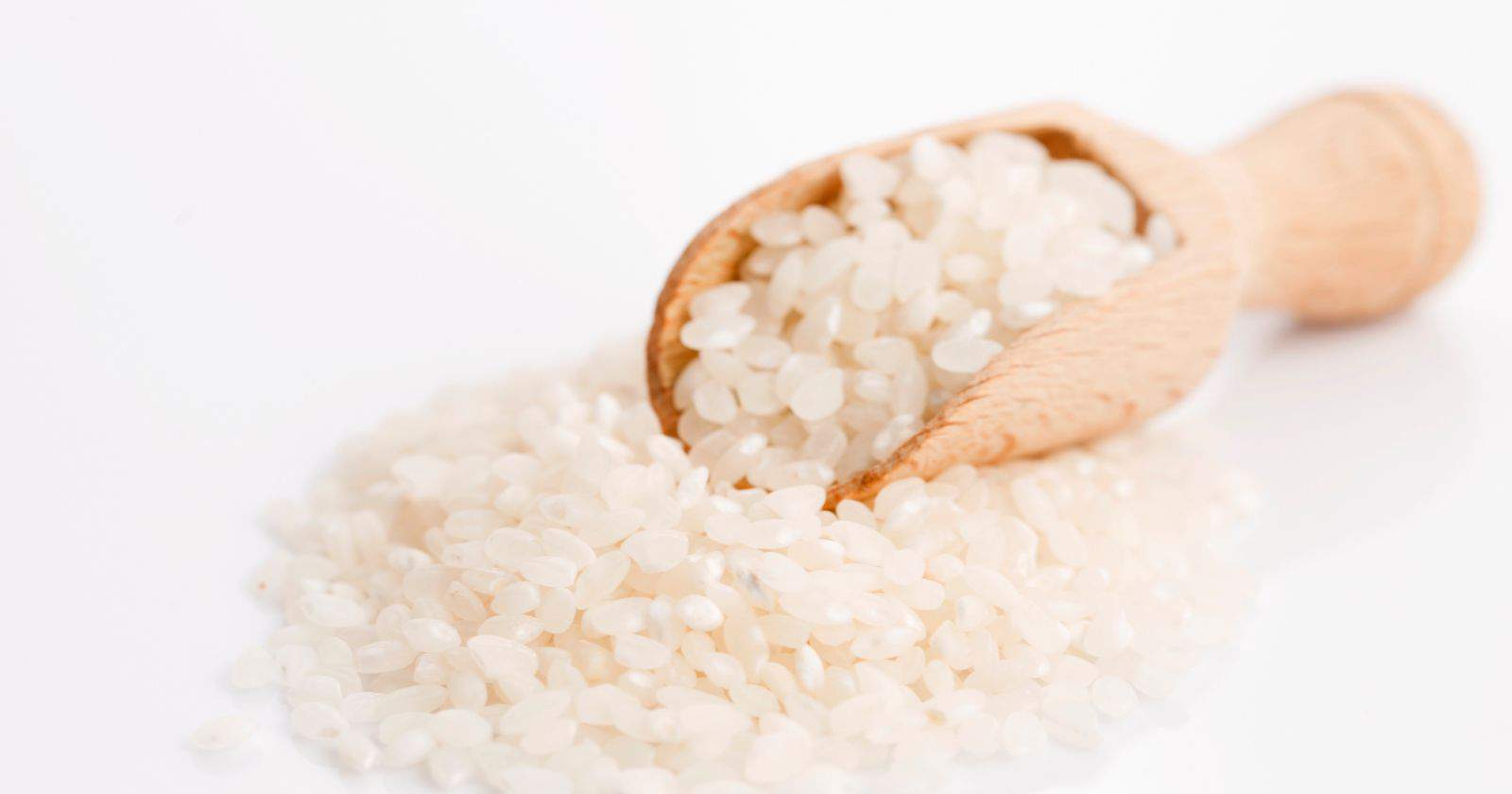
Wrong rice type causes 90% of stickiness failures. Japanese short-grain rice contains high amylopectin starch that creates proper sushi texture. Long-grain, jasmine, and basmati rice will never achieve the right stickiness regardless of technique.
Look for labels saying “sushi rice,” “Calrose,” “Nishiki,” or “Koshihikari.” These varieties have the starch composition required for rolls that hold together.
Equipment That Makes Perfect Sushi Rice Easier
You don’t need specialty tools, but the right equipment reduces frustration significantly.
| Equipment | Benefit | Budget Alternative |
|---|---|---|
| Hangiri (wooden tub) | Absorbs excess moisture, cools rice evenly | Wide glass or ceramic bowl |
| Rice Cooker | Consistent results without monitoring | Pot with tight-fitting lid |
| Shamoji (wooden paddle) | Prevents grain crushing, non-stick surface | Wooden spoon |
| Fan | Speeds cooling for glossy finish | Folded cardboard |
The hangiri makes the biggest difference for serious sushi makers. Cypress wood absorbs excess moisture while you fold, preventing soggy rice. Soak it briefly in water before use so rice doesn’t stick.
A rice cooker eliminates the guesswork of stovetop timing. Models with sushi-specific settings adjust temperature curves for firmer grains. Even basic $30 rice cookers produce better results than most stovetop attempts.
Wood matters for your paddle because it doesn’t conduct heat or react with vinegar. Plastic works but tends to crush more grains. Metal is the worst choice since it scratches rice and retains heat.
Scaling the Recipe: Vinegar Ratios for Different Amounts
The 2-2.5 tablespoons of sushi vinegar per cup of uncooked rice rule scales linearly for larger batches. Double the rice, double everything else.
| Uncooked Rice | Sushi Vinegar | Sugar | Salt | Serves |
|---|---|---|---|---|
| 1 cup | 2-2.5 tbsp | 1 tbsp | ½ tsp | 1-2 |
| 2 cups | 4-5 tbsp | 2 tbsp | 1 tsp | 2-3 |
| 3 cups | 6-7 tbsp | 3 tbsp | 1½ tsp | 4-5 |
| 4 cups | 8-10 tbsp | 4 tbsp | 2 tsp | 6-8 |
For batches larger than 4 cups, work in stages. Season half the rice while keeping the other half warm. Large amounts cool unevenly and make proper folding difficult in standard home bowls.
Mix vinegar in proportionally larger batches to save time. Store unused sushi vinegar mixture in an airtight container at room temperature for up to 3 months.
Storage Tips: Keeping Sushi Rice Fresh
Sushi rice is a “use it today” ingredient. Quality degrades rapidly after the seasoning process.
Best window: Consume within 4-6 hours at room temperature. Keep covered with a damp cloth to prevent the surface from drying and hardening.
Do not refrigerate sushi rice. Cold temperatures cause starch retrogradation, turning soft grains hard and crumbly. Even reheating won’t fully restore the texture. This is why sushi restaurants make rice fresh throughout the day rather than storing large batches.
- Room temperature storage: Cover with damp cloth, use within 6 hours
- Refrigeration: Avoid if possible, ruins texture permanently
- Freezing: Not recommended for sushi-grade results
- Reheating: Microwave with damp paper towel as last resort
If you must store rice overnight, accept that it won’t match freshly made. Repurpose leftover sushi rice for fried rice, rice bowls, or onigiri rather than attempting rolls.
FAQ
Does the type of rice vinegar brand affect sushi rice flavor?
Brand differences are noticeable. Japanese brands like Marukan and Mizkan have milder acidity than Western options. Higher-quality vinegars require less sugar to balance the flavor.
Can I use apple cider vinegar instead of rice vinegar for sushi?
Apple cider vinegar is too acidic and has a strong fruity flavor that clashes with sushi. Rice vinegar’s mild, slightly sweet taste is essential for authentic results. Stick with rice vinegar or accept a noticeably different final product.
Why does my sushi rice taste bland even with the right vinegar amount?
Bland rice usually means adding vinegar when rice was too cool, preventing proper absorption. Salt is also commonly under-measured. Taste your vinegar mixture before adding it to ensure the seasoning is strong enough.
How do I know when my sushi rice has cooled enough to use?
Properly cooled sushi rice feels slightly warm, roughly body temperature. It should appear glossy with visible individual grains. If rice is still steaming or hot to touch, continue fanning for another minute.
Is there a difference between sushi vinegar and sushi seasoning?
These terms often describe the same product: rice vinegar pre-mixed with sugar and salt. Check ingredient labels since some “sushi seasonings” include additional ingredients like MSG or kombu extract. Pure sushi vinegar contains only vinegar, sugar, and salt.
Can I make sushi rice ahead of time for a party?
Make rice no more than 2-3 hours before serving for best results. Keep it covered at room temperature with a damp cloth. Rice made further ahead will dry out and lose the sticky texture needed for rolling.
What happens if I accidentally add too much sushi vinegar?
Over-seasoned rice tastes overly tangy and becomes soggy. The fix is mixing in additional plain cooked rice to dilute the flavor. For future batches, add vinegar gradually and taste as you go rather than pouring everything at once.
Should I add the vinegar all at once or gradually?
Gradual addition works better. Pour vinegar in 2-3 stages, folding between each addition. This prevents pools of vinegar soaking through certain areas while leaving others dry.