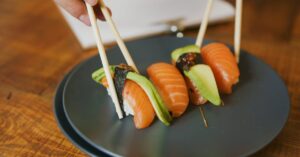
Does Sushi Make You Bloated? 7 Causes and How to Prevent It

You ordered your favorite salmon roll, enjoyed every bite, then woke up looking like you gained ten pounds overnight. That puffy feeling after sushi has a name: sushi face, and it affects roughly 30% of regular sushi eaters due to the meal’s unique combination of sodium, sugars, and fiber. Here’s exactly why it happens and how to enjoy sushi without the aftermath.

Why Does Sushi Make You Bloated? The Main Culprits

Your post-sushi bloat stems from multiple ingredients working together to trigger water retention and gas production in your digestive system.

Sushi bloating happens because a typical sushi meal delivers a triple hit: high sodium from soy sauce, fermentable sugars in the rice, and fiber-rich seaweed that produces gas during digestion. Each component alone causes mild effects. Combined in one meal, they create noticeable discomfort.

  • Sodium overload from soy sauce triggers your kidneys to retain water, causing puffiness in your face and abdomen
  • Refined carbohydrates in white rice spike blood sugar and feed gut bacteria that produce gas
  • Seaweed fiber ferments in your large intestine, creating additional bloating
  • Raw fish proteins challenge digestion for those with sensitivities
  • Added sugars in sushi rice vinegar contribute to fermentation

The term sushi face became popular after celebrities described waking up puffy after sushi dinners. This isn’t vanity talking. The combination of refined carbs and salt genuinely causes temporary facial swelling that resolves within 24-48 hours. Understanding each culprit helps you make smarter choices at the sushi bar.

High Sodium Content in Sushi

High sodium content in sushi rolls displayed with salt crystals and sodium warning indicators for bloating

A single sushi meal can exceed your entire daily sodium allowance before you finish the appetizer.

The U.S. dietary guidelines recommend staying under 2,300 mg of sodium daily. One tablespoon of regular soy sauce contains 960 mg, nearly half your limit. Add miso soup at 1,160 mg and eight pieces of California roll at 1,024 mg, and you’ve consumed 2,678 mg in one sitting. Your body responds by holding onto water to dilute all that salt. The Kidney Dietitian

Soy Sauce: The Hidden Sodium Bomb

That little dish of soy sauce adds more sodium to your meal than every other ingredient combined.

Most people use two to three tablespoons of soy sauce per sushi meal, adding 1,920-2,880 mg of sodium before counting the food itself. Even “reduced sodium” soy sauce contains 575 mg per tablespoon. The salt triggers rapid water retention, and you’ll notice the puffiness within hours.

  • Regular soy sauce: 960 mg sodium per tablespoon
  • Reduced sodium soy sauce: 575 mg per tablespoon
  • Ponzu sauce: 550 mg per tablespoon
  • Eel (unagi) sauce: 710 mg per tablespoon

Sodium in Sushi Rice and Other Ingredients

The rice arrives at your table already seasoned with salt, adding sodium you never see coming.

Sushi chefs season rice with a mixture of vinegar, sugar, and salt. Each piece of sushi contains 100-280 mg of sodium depending on the roll type. California rolls using imitation crab run higher because processed surimi contains added salt for preservation and flavor. Specialty rolls with multiple sauces can contain 400+ mg per piece.

Sushi Rice and Complex Sugars

The sweet, sticky rice that makes sushi delicious also feeds the bacteria in your gut that produce gas.

Sushi rice contains roughly 9-10 grams of added sugar per serving from the vinegar mixture chefs use. This sugar, combined with the refined white rice starches, ferments rapidly in your intestines. The fermentation process produces gas, leading to that uncomfortable bloated feeling hours after eating.

How Rice Affects Digestion

White sushi rice breaks down quickly into glucose, causing blood sugar spikes that trigger inflammation and water retention.

White rice has a glycemic index of 70-78, meaning it converts to sugar in your bloodstream almost as fast as pure glucose. This rapid conversion:

  • Causes blood sugar to spike then crash
  • Triggers insulin release that promotes water retention
  • Feeds gut bacteria that produce gas during fermentation
  • Creates inflammation that contributes to puffiness

The Sugar and Vinegar Factor

The seasoning that gives sushi rice its characteristic flavor adds fermentable sugars most people never consider.

Sushi vinegar follows a ratio of approximately 4 parts vinegar to 2 parts sugar to 1 part salt. A typical sushi roll contains 11-15 grams of added sugar. While vinegar generally aids digestion by stimulating gastric juices, the sugar component works against this benefit. The combination creates ideal conditions for bacterial fermentation in your gut. Suzumokikou

Seaweed and High Fiber Content

Nori seaweed wrapping your sushi roll contains more fiber than most vegetables, and your gut bacteria love it.

Seaweed fiber makes up roughly 30-34% of nori’s dry weight, with about 30% being soluble fiber that feeds beneficial gut bacteria. This fermentation produces gas as a byproduct. If you don’t regularly eat high-fiber foods, your digestive system gets overwhelmed, and bloating follows within hours.

The fiber in nori offers real benefits for gut health and regularity. The problem arises when you consume more than your system expects. Your gut bacteria haven’t adapted to process large amounts of seaweed polysaccharides efficiently.

Fiber Source Fiber Content Bloating Potential
Nori (dried) 30-34% by weight High for unaccustomed
Lettuce 1.3% by weight Low
Broccoli 2.6% by weight Moderate
Brown rice 1.8% by weight Low to moderate

Long-term seaweed consumption improves digestion and supports beneficial bacteria. The temporary bloating usually decreases as your gut adapts over several weeks of regular intake. Kikkoman

Raw Fish and Digestive Sensitivities

Raw fish proteins challenge your digestive system differently than cooked proteins, and some stomachs struggle more than others.

Raw fish requires more digestive effort because cooking normally breaks down protein structures. For people with fish sensitivities or weaker digestive enzyme production, uncooked proteins sit longer in the stomach and intestines, causing discomfort and bloating.

Fish Allergies and Intolerances

True fish allergies trigger immune responses, while intolerances cause digestive symptoms without immune involvement.

Fish allergies affect about 1% of adults and cause symptoms ranging from mild bloating to severe reactions. Intolerances are more common and produce gas, bloating, and abdominal discomfort without the dangerous allergic response. You might tolerate salmon perfectly but react to tuna or mackerel.

  • Allergies: Immune system attacks fish proteins, can be dangerous
  • Intolerances: Difficulty digesting proteins, causes GI symptoms
  • Histamine reactions: Some fish contain histamine that triggers symptoms

Shellfish Sensitivities

Shrimp, crab, and other shellfish in sushi trigger reactions in many people who tolerate fin fish without problems.

Shellfish allergies are among the most common food allergies in adults. Even without a true allergy, shellfish proteins differ significantly from fish proteins and cause digestive issues for sensitive individuals. California rolls with imitation crab rarely cause these reactions since surimi is made from whitefish, not actual crab.

Food poisoning from sushi produces more severe symptoms than simple bloating. Bloating after sushi typically appears within 2-6 hours and resolves within a day. Food poisoning causes vomiting, diarrhea, and fever within 6-24 hours and lasts several days. Cleveland Clinic

Who Is Most Affected by Sushi Bloating?

Your genetic makeup, gut bacteria, and eating history determine how severely sushi affects your digestion.

People with irritable bowel syndrome, those unaccustomed to high-fiber diets, and individuals with sodium sensitivity experience the worst bloating after sushi. Your gut microbiome composition matters too. Some populations have bacteria that efficiently digest seaweed carbohydrates, while others lack these specialized microbes.

Individual Tolerance Factors

Your body’s response to sushi depends on factors you’ve been developing since childhood.

Japanese populations and others with long histories of seaweed consumption have gut bacteria specifically adapted to digest seaweed polysaccharides like porphyran. If your ancestors didn’t eat seaweed regularly, you likely lack these bacteria. Your gut flora can adapt with regular exposure, but the adjustment period involves temporary bloating.

Factor Higher Bloating Risk Lower Bloating Risk
Seaweed consumption history Rare or never Regular since childhood
Sodium sensitivity High Normal
Fiber intake Low daily intake High daily intake
Digestive conditions IBS, GERD present No conditions

Pre-existing Digestive Conditions

IBS, GERD, and other digestive conditions amplify sushi’s bloating effects significantly.

People with irritable bowel syndrome often react to the FODMAPs in certain sushi ingredients. The fiber, sugars, and proteins that cause mild discomfort in healthy individuals create severe symptoms in IBS sufferers. Gastroesophageal reflux disease makes the vinegar in sushi rice particularly problematic, causing burning and bloating simultaneously.

Mercury accumulation from frequent tuna consumption has been linked to chronic intestinal dysmotility in case studies. This condition disrupts normal gut movement, causing persistent bloating in heavy sushi consumers. Journal of Medical Case Reports

How to Prevent Bloating After Eating Sushi

Strategic choices before, during, and after your meal dramatically reduce post-sushi bloating.

Limiting soy sauce, drinking adequate water, eating slowly, and choosing simpler rolls eliminates most bloating for most people. The goal isn’t avoiding sushi. The goal is enjoying sushi without the puffy aftermath. These strategies work because they address the root causes directly.

Portion Control and Timing Strategies

Eating less sushi more slowly gives your digestive system time to process without producing excessive gas.

Your stomach processes about one sushi piece every 3-4 minutes efficiently. Eating quickly overwhelms this capacity and causes you to swallow air, adding to bloating. Smaller portions spread throughout the meal also prevent the sodium and sugar load from hitting your system all at once.

  • Eat slowly: Chew each piece thoroughly, wait 30 seconds between pieces
  • Limit portions: Six to eight pieces causes less bloating than twelve to sixteen
  • Avoid late dinners: Eating sushi before 7 PM allows processing before sleep
  • Take breaks: Pause mid-meal to assess fullness

Smart Soy Sauce Swaps

Reducing or replacing soy sauce cuts your sodium intake by 50-80% immediately.

Request low-sodium soy sauce, which contains 40% less sodium than regular versions. Better yet, use ponzu for a citrusy alternative with slightly less sodium. The smartest approach: dip fish-side down so rice doesn’t absorb sauce, and use wasabi or ginger for flavor instead.

Sauce Option Sodium per Tbsp Flavor Profile
Regular soy sauce 960 mg Strong, salty
Low-sodium soy sauce 575 mg Mild, salty
Coconut aminos 270 mg Slightly sweet
Ponzu 550 mg Citrusy, light
Wasabi (1 tsp) 100 mg Spicy, sharp

Digestive Aids That Help

Certain supplements and beverages support your digestive system before and after sushi meals.

Peppermint tea after sushi relaxes intestinal muscles and reduces gas accumulation. Digestive enzyme supplements containing protease help break down raw fish proteins more efficiently. Ginger, conveniently served at every sushi restaurant, naturally reduces bloating and aids digestion.

  • Peppermint tea: Drink within 30 minutes of finishing your meal
  • Digestive enzymes: Take with your first bite
  • Ginger: Eat the pickled ginger between pieces, not just as garnish
  • Water: Drink 16 oz before, during, and after your meal

Proper hydration paradoxically reduces water retention. When you drink adequate water, your body releases stored fluid rather than holding it. Aim for 16 ounces of water with your meal and another 16 ounces within two hours after. Casa de Sante

Sushi Types That Cause Less Bloating

Not all sushi creates equal bloating. Choosing wisely lets you enjoy the meal without the consequences.

Sashimi eliminates rice-related bloating entirely since it’s pure sliced fish without rice, seaweed, or sauces. Simple nigiri with minimal sauce causes less bloating than complex specialty rolls loaded with cream cheese, fried ingredients, and multiple sauces.

Sashimi: The Lower-Bloat Option

Sashimi removes every major bloating culprit from your plate in one choice.

Pure raw fish contains virtually no sodium, no fermentable carbohydrates, and no fiber. The protein digests more slowly than carb-heavy rolls, keeping you satisfied without the blood sugar spike. Salmon sashimi provides omega-3 fatty acids with anti-inflammatory properties that actually support digestion.

Sushi Type Calories (6 pc) Sodium Bloating Potential
Salmon sashimi 120 50 mg Very low
Tuna nigiri 180 120 mg Low
Cucumber roll 140 200 mg Low
California roll 255 400 mg Moderate
Dragon roll 450+ 600+ mg High
Shrimp tempura roll 500+ 800+ mg Very high

Best Sushi Rolls for Sensitive Stomachs

Simple ingredient combinations with minimal sauce cause the least digestive distress.

Stick to rolls with one or two proteins and fresh vegetables. Cucumber rolls, avocado rolls, and simple tuna or salmon rolls digest easily. Avoid cream cheese completely since the dairy adds fat that slows digestion and can cause separate intolerance symptoms.

  • Best choices: Salmon roll, tuna roll, cucumber roll, avocado roll
  • Moderate choices: California roll, yellowtail roll, shrimp roll
  • Avoid for bloating: Philadelphia roll, dragon roll, any tempura roll

Request brown rice when available. The additional fiber may seem counterintuitive, but brown rice has a lower glycemic index and causes less blood sugar fluctuation than white rice. Some restaurants offer cauliflower rice or cucumber wraps as rice substitutes. Noom

Sushi vs Other Cuisines: A Bloating Comparison

Sushi causes more noticeable bloating than many cuisines because the effects hit quickly and visibly.

Chinese takeout and pizza contain similar sodium levels, but their effects distribute more evenly throughout the body. Sushi’s combination of rapid-absorbing refined carbs with high sodium creates concentrated water retention that shows dramatically in your face and abdomen within hours.

Cuisine Avg Sodium/Meal Carb Type Typical Bloating
Sushi (with soy sauce) 2,000-3,000 mg Refined Rapid, visible
Pizza (2 slices) 1,200-1,600 mg Refined Gradual
Chinese takeout 2,000-4,000 mg Mixed Moderate
Mexican 1,500-2,500 mg Complex Gradual
Thai 1,800-2,800 mg Mixed Moderate

The bloating from sushi typically resolves faster than bloating from heavy, fatty meals. Within 24-48 hours, your kidneys process the excess sodium and release retained water. Fatty meal bloating from slow digestion can last 2-3 days.

Normal post-sushi bloating feels like general puffiness and mild abdominal distension. Concerning symptoms include severe pain, persistent bloating beyond 48 hours, vomiting, or fever. These suggest possible food poisoning or other issues requiring medical attention. The Good Bug

FAQ

How long does bloating from sushi last?

Sushi bloating typically resolves within 24-48 hours as your kidneys process excess sodium and your gut finishes fermenting fiber. Drinking extra water speeds this process. If bloating persists beyond two days, consider whether you have an underlying sensitivity.

Why does sushi make my face puffy?

Facial puffiness after sushi results from sodium-triggered water retention concentrating in facial tissues. Your face has loose connective tissue that easily accumulates fluid. The combination of soy sauce sodium and refined rice carbohydrates creates this “sushi face” effect that typically resolves by the next evening.

Is sushi bloating the same as a food allergy?

No. Bloating from sodium, fiber, and fermentable sugars differs from allergic reactions. Allergies cause immune responses including hives, difficulty breathing, or severe stomach pain. Bloating is uncomfortable but not dangerous. If you experience severe symptoms, seek medical attention for possible allergy testing.

Does wasabi help with sushi bloating?

Wasabi contains compounds that stimulate digestion and may reduce bloating mildly. The bigger benefit comes from using wasabi instead of soy sauce, dramatically cutting sodium intake. However, wasabi alone won’t counteract bloating from excessive soy sauce use.

Will drinking water make sushi bloating worse?

Paradoxically, drinking more water reduces bloating. Adequate hydration signals your kidneys to release retained fluid. Dehydration causes your body to hold water more aggressively. Aim for 16 ounces before, during, and after your sushi meal.

Is bloating from sushi a sign something is wrong?

Occasional bloating after sushi is normal and affects many people. Regular severe bloating may indicate sodium sensitivity, IBS, fish intolerance, or other conditions worth discussing with a doctor. Tracking which specific ingredients trigger symptoms helps identify patterns.

Does brown rice sushi cause less bloating?

Brown rice has a lower glycemic index and causes less dramatic blood sugar spikes than white rice. This reduces inflammation-related water retention. However, brown rice contains more fiber, which may increase gas production initially. Overall, most people experience less bloating with brown rice sushi.

Can I eat sushi if I have IBS?

Many people with IBS tolerate simple sushi rolls in small portions. Avoid high-FODMAP additions like garlic and onion. Choose sashimi or basic rolls without heavy sauces. Start with small amounts to test your personal tolerance and consider taking digestive enzymes with your meal.

Share your love
Bill Kalkumnerd
Bill Kalkumnerd

I am Bill, I am the Owner of HappySpicyHour, a website devoted to spicy food lovers like me. Ramen and Som-tum (Papaya Salad) are two of my favorite spicy dishes. Spicy food is more than a passion for me - it's my life! For more information about this site Click

Leave a Reply

Your email address will not be published. Required fields are marked *