Can You Use Green Habaneros? Complete Guide to Cooking with Unripe Peppers

Green habaneros pack serious heat and a bright, grassy flavor that ripe orange peppers simply lack. These unripe beauties register between 100,000 and 350,000 Scoville Heat Units, making them roughly 30 times hotter than jalapeños. This guide reveals how to cook, preserve, and ferment green habaneros like someone who actually grows them.

I remember the first time I harvested habaneros too early, panicking about an incoming frost. Those green peppers sat on my counter while I frantically searched for ways to use them. Turns out, that accidental early harvest introduced me to flavors I now prefer over the ripe stuff.

What Are Green Habaneros?

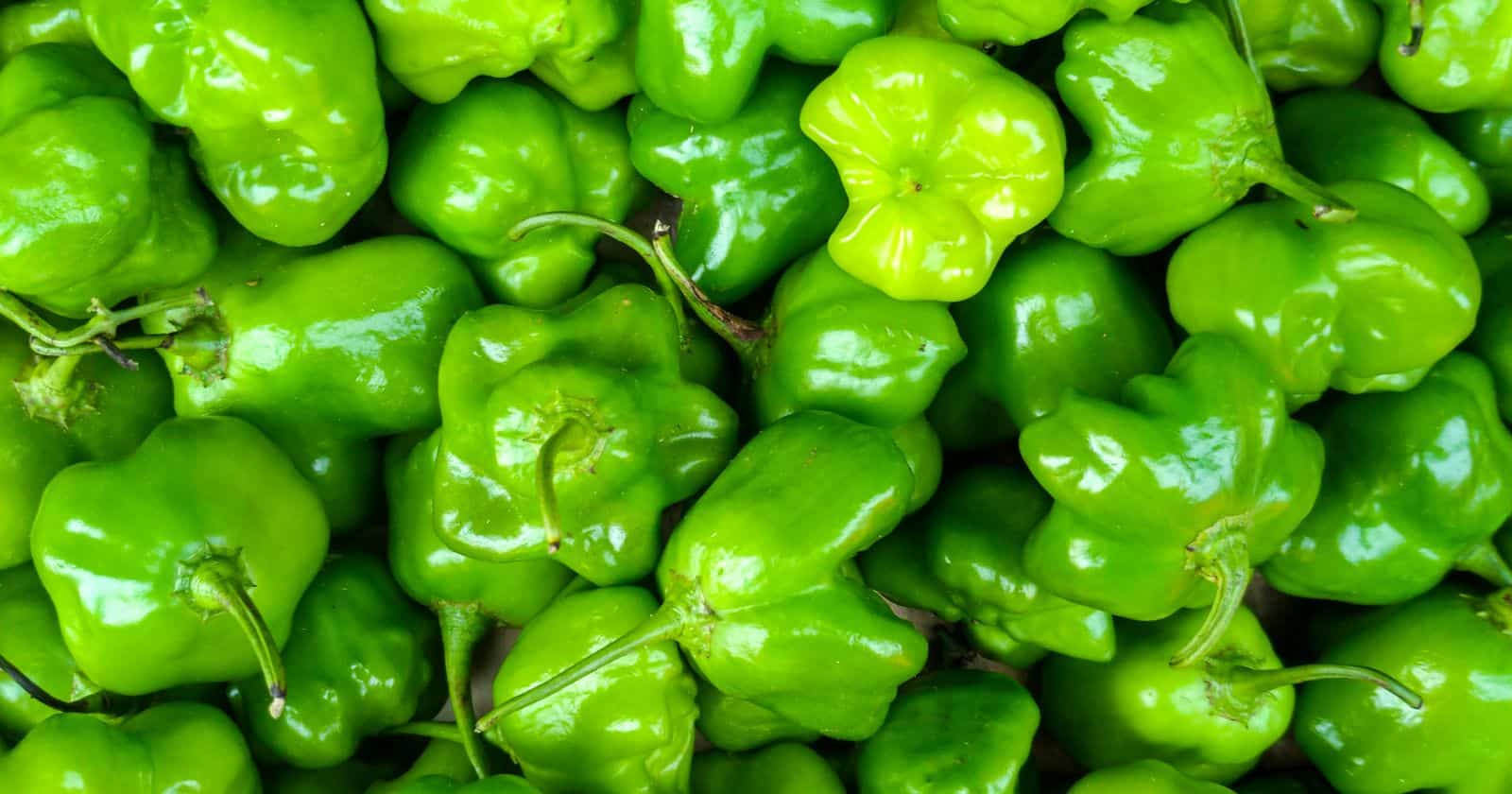
Fresh green habanero peppers displayed together showing their small round shape and glossy green skin

Green habaneros represent the immature stage of any habanero pepper before it develops its signature orange, red, or yellow coloring. Every habanero starts life as a green fruit on the plant, gradually changing hue as sugars develop and chlorophyll breaks down over 90 to 120 days.

Green vs Ripe Habaneros: Understanding the Difference

The gap between green and ripe habaneros goes far beyond color. Understanding these differences helps you choose the right pepper for your dish.

Characteristic Green Habanero Ripe Habanero (Orange/Red)
Heat Level (SHU) 100,000-350,000 150,000-350,000
Flavor Profile Grassy, vegetal, slightly bitter Fruity, tropical, sweet
Texture Firm, dense flesh Softer, thinner walls
Heat Experience Sharp, immediate burn Slower-building, lingering warmth
Sugar Content Lower Approximately 30% higher

Green habaneros deliver their heat fast and sharp, while ripe peppers build slowly and linger. This makes greens perfect for dishes where you want immediate impact without lingering sweetness. Spice Alibaba notes that the flavor maturation occurs as chlorophyll breaks down and carotenoids increase during ripening.

Why Habaneros Are Sometimes Harvested Green

Gardeners pick habaneros early for practical reasons beyond impatience. Removing peppers before full maturity encourages the plant to produce more flowers and fruit, potentially doubling your total harvest over the season.

  • Extended production: Early picking triggers continued flowering and fruit development
  • Weather protection: Harvesting before frost saves peppers that would otherwise be lost
  • Pest prevention: Getting peppers off the plant before insects find them
  • Culinary preference: Some recipes specifically call for the grassy, bright flavor of unripe peppers
  • Market timing: Commercial growers harvest early to meet supply demands

According to Pepper Geek, many experienced gardeners harvest green habaneros intentionally to maximize their plant’s productive season.

Heat Level and Flavor Profile of Green Habaneros

Fresh green habanero peppers showing vibrant color and heat level characteristics for culinary use

The heat in unripe habaneros hits differently than their mature counterparts. Expect a sharp, clean burn that arrives quickly and exits faster than the lingering warmth of orange habaneros.

Scoville Heat Units: Green vs Ripe Comparison

Green habaneros clock in at roughly 100,000 to 350,000 SHU, placing them firmly in the “extra hot” category. For perspective, this makes them approximately 10 to 30 times hotter than jalapeños and nearly twice as hot as Thai bird chilies.

Pepper Type Scoville Heat Units Comparison
Jalapeño 2,500-8,000 Baseline reference
Thai Bird Chili 50,000-100,000 Medium-high heat
Green Habanero 100,000-350,000 Extra hot
Ripe Habanero 150,000-350,000 Slightly hotter
Ghost Pepper 855,000-1,041,427 Extreme heat

The capsaicin concentration increases as habaneros ripen, meaning fully mature peppers pack slightly more punch. However, the sharper flavor profile of greens makes the heat feel more intense to many people.

Flavor Characteristics of Unripe Habaneros

Green habanero peppers deliver bright, grassy notes with citrus undertones that orange habaneros lose during ripening. The flavor profile includes vegetal, slightly bitter tastes with a fresh pepper character.

  • Primary notes: Grassy, chlorophyll-forward, raw pepper taste
  • Secondary notes: Citrus undertones, slight bitterness
  • Missing elements: Tropical fruit flavors like mango and apricot found in ripe peppers
  • Texture impact: Firmer flesh holds up better in fresh applications

This flavor difference explains why green habaneros excel in salsas verde and ceviche. The brightness complements fresh, acidic dishes better than the fruity sweetness of ripe peppers. Magic Plant Farms confirms that the flavor shift during ripening fundamentally changes how these peppers work in recipes.

Best Ways to Use Green Habaneros in Cooking

Cooking with green habaneros opens culinary doors that ripe peppers keep closed. Their firm texture holds up to fresh preparations, while the grassy flavor complements citrus and tropical ingredients beautifully.

Fresh Applications

Raw green habaneros shine in dishes where crispness matters. The firmer flesh maintains structure better than softer ripe peppers.

  • Salsas verde: Blend with tomatillos, garlic, and lime for bright, fiery heat
  • Ceviche: Add minced green habanero for clean heat that complements citrus-cured seafood
  • Salads: Thin slices add crunch and controlled heat
  • Raw toppings: Dice finely for tacos, nachos, or grain bowls
  • Guacamole: Mince and fold in for a grassy heat layer

The key to fresh applications involves removing seeds and membranes if you want manageable heat. The placenta, the white membrane holding the seeds, contains the highest capsaicin concentration.

Cooked Dishes and Sauces

Heat transforms green habaneros, mellowing the sharpness while developing deeper complexity. Cooking methods dramatically affect the final flavor.

  • Roasted: Charring on a comal or grill adds smokiness and intensifies heat
  • Stir-fries: Add late in cooking to preserve fresh flavor
  • Curries: The grassy notes complement coconut milk and aromatics
  • Soups: Blend into broths for even heat distribution
  • Verde hot sauce: Combine roasted peppers with vinegar, garlic, and herbs

For green habanero hot sauce, roasting the peppers first creates a smoky, complex base that tastes more sophisticated than raw versions. The cooking process also makes the heat feel more integrated rather than sharp.

Fermented and Preserved Preparations

Green habaneros excel in fermentation, maintaining their color and developing tangy complexity over time. The fermentation process also slightly mellows the heat while adding probiotic benefits.

  • Fermented hot sauce: Lacto-fermentation creates tangy, complex heat
  • Pickled peppers: Quick or long-term pickling preserves crunch and color
  • Vinegar infusions: Steep in white vinegar for a spicy condiment base
  • Pepper mash: Ferment and process into paste for long-term storage

The firm walls of green habaneros also make them excellent candidates for stuffing. Fill with cream cheese or seasoned meat, then grill or bake for spicy appetizers that hold their shape.

Making Fermented Hot Sauce with Green Habaneros

Fermented hot sauce transforms green habaneros into something magical. The lacto-fermentation process develops tangy complexity while slightly mellowing the sharp heat into something more rounded and interesting.

Basic Fermentation Process

Successful fermentation requires only salt, water, peppers, and patience. The process relies on naturally occurring lactic acid bacteria to preserve and flavor your peppers.

Salt brine ratio: Use 2 to 3% salt by weight. For every 1000 grams of water, add 20 to 30 grams of salt. This equals roughly 1.5 to 2 tablespoons per quart of water.

Equipment needed: – Glass jars (quart or half-gallon size) – Fermentation weights or small ziplock bags filled with brine – Airlock lids or clean cloth covers – Blender or food processor – Clean bottles for final storage

Fermentation timeline: Most green habanero hot sauces ferment for 5 to 14 days at room temperature between 65 and 75°F. Warmer temperatures speed fermentation but risk off-flavors.

Green Habanero Hot Sauce Recipe

This straightforward recipe produces a tangy, fiery sauce perfect for eggs, tacos, or anything needing brightness and heat.

Ingredients: – 10 to 12 green habaneros, stems removed – 2 cloves garlic, peeled – 1 small bell pepper, roughly chopped (optional, for volume) – 1-inch piece fresh ginger, sliced – 2 cups water – 1 tablespoon sea salt – 1 tablespoon apple cider vinegar (for blending)

Instructions:

  1. Pack habaneros, garlic, bell pepper, and ginger into a sanitized jar
  2. Dissolve salt in water and pour over ingredients, leaving 1 to 2 inches of headspace
  3. Place fermentation weight on top to keep everything submerged
  4. Cover with airlock or cloth and set aside at room temperature
  5. Check daily for bubbles and cloudiness, signs of active fermentation
  6. After 7 to 10 days, taste for desired tanginess
  7. Strain solids and reserve brine
  8. Blend peppers with 1 cup brine and vinegar until smooth
  9. Bottle and refrigerate

Practical Self Reliance notes that fermented hot sauce keeps for up to a year in the refrigerator, developing more complex flavors over time.

Troubleshooting: – Mold on surface: Fuzzy, colored growth means discard the batch. White film (kahm yeast) is harmless but tastes unpleasant – No bubbles after 3 days: Move to a warmer location or check salt ratio – Too salty: Use less brine when blending or dilute with extra vinegar

How to Dry and Preserve Green Habaneros

Drying concentrates flavor and heat while extending shelf life to a year or longer. Dried pepper flakes and powder from green habaneros offer convenience and intense flavor.

Drying Methods

Three reliable approaches work for drying green habaneros at home. Each method produces slightly different results.

Method Temperature Time Flavor Retention
Dehydrator 125-135°F 8-12 hours 92% (best)
Oven 150°F (lowest setting) 6-10 hours 85%
Air drying Room temp 2-4 weeks 80%

Dehydrator method: Slice peppers into 1/4-inch rounds or halves. Spread on trays without overlapping. Dry until brittle, checking every few hours and removing fully dried pieces.

Oven method: Set oven to its lowest temperature. Line baking sheet with parchment and arrange peppers cut-side down. Keep door slightly ajar for airflow. Flip every 2 hours.

Air drying: String peppers by their stems and hang in a dark, well-ventilated area. This works best in hot, dry climates. High humidity risks mold.

Always wear gloves when handling habaneros. The capsaicin oils cause painful skin irritation and transfer easily to eyes and sensitive areas.

Making Green Habanero Flakes and Powder

Once dried to brittleness, process your peppers into usable forms. Habanero pepper flakes add controlled heat to any dish.

  • Crush dried peppers by hand for coarse flakes
  • Use a spice grinder for fine powder
  • Store in airtight containers away from light
  • Label clearly with date and heat level warning

Dried green habaneros develop earthier notes than fresh versions. The powder works beautifully in rubs, marinades, and anywhere you want heat without added moisture.

Pickling Green Habaneros

Quick pickling offers the fastest preservation path. Pickled green habaneros keep for 1 to 3 months refrigerated.

Quick pickle brine: – 1 cup white or apple cider vinegar – 1 cup water – 1 tablespoon salt – 1 tablespoon sugar (optional) – 2 cloves garlic

Bring brine to a boil, pour over sliced habaneros in a clean jar, and refrigerate after cooling. Wait at least 24 hours before using for flavors to meld.

Will Green Habaneros Ripen After Picking?

Green habaneros continue ripening after harvest if they reached sufficient maturity on the plant. The key factor involves how developed the pepper was when picked.

For successful counter ripening: – Pick peppers at full size, even if still green – Place in a paper bag with a banana or apple – Store at 70 to 80°F away from direct sunlight – Check daily for color change – Expect 1 to 3 weeks for full ripening

Very immature peppers, those picked small or underdeveloped, will not ripen off the plant. They lack the cellular machinery to continue the ripening process.

If no color change appears after 3 to 4 days, use the peppers green. They will not improve further and begin degrading instead. Refrigeration halts ripening entirely, so keep counter-ripening peppers at room temperature.

Storage Tips for Green Habaneros

Proper storage dramatically extends the usable life of your green habaneros. The method you choose depends on how soon you plan to use them.

Refrigerator Storage

Fresh green habaneros last 1 to 2 weeks in the refrigerator crisper drawer. The key involves controlling moisture while maintaining humidity.

  • Store unwashed in a paper bag or wrapped in paper towel
  • Place in the crisper drawer, not the main compartment
  • Check every few days for soft spots or mold
  • Wash only immediately before use

Signs of spoilage: Soft, wrinkled skin, dark spots, mold growth, or off odors indicate peppers past their prime. Slightly wrinkled peppers remain usable but should be processed immediately.

Freezing Green Habaneros

Freezing offers the longest shelf life for fresh peppers. Properly frozen habaneros maintain quality for 6 to 12 months.

  • Whole freezing: Wash, dry completely, and freeze on a sheet pan before transferring to freezer bags
  • Chopped freezing: Dice peppers and freeze in ice cube trays with water or oil
  • Flash freezing: Spread pieces on parchment-lined pan until solid, then bag

Thawed peppers work best in cooked applications. The freezing process breaks down cell walls, resulting in softer texture unsuitable for fresh uses. Frozen peppers work perfectly for hot sauces, marinades, and cooked dishes.

Green Habanero Recipes to Try

These three recipes showcase the versatility of green habaneros across different cooking styles. Each highlights the pepper’s unique grassy heat.

Green Habanero Salsa Verde

This bright, fiery salsa complements everything from grilled steak to scrambled eggs.

Ingredients: – 6 green habaneros, stems removed – 10 tomatillos, husked and rinsed – 3 garlic cloves – 1 small white onion, quartered – 1 tablespoon fresh lime juice – Salt to taste

Instructions:

  1. Rinse tomatillos thoroughly to remove sticky coating
  2. Roast habaneros, tomatillos, onion, and garlic on a dry skillet over medium heat until nicely charred, about 10 minutes
  3. Transfer everything to a blender
  4. Add lime juice and 1/2 teaspoon salt
  5. Blend until smooth with some texture remaining
  6. Taste and adjust salt and lime

Heat adjustment: Remove seeds and membranes from habaneros before roasting for milder heat. For extreme heat, leave everything intact.

Spicy Green Habanero Marinade

This citrus-forward marinade transforms chicken, pork, or shrimp into something memorable.

Ingredients: – 4 green habaneros, stems removed – 1/2 cup fresh lime juice – 1/4 cup orange juice – 2 cloves garlic – 1/4 cup olive oil – 1 teaspoon ground cumin – 1 teaspoon salt – 2 tablespoons fresh cilantro

Instructions:

  1. Combine all ingredients in a blender
  2. Process until completely smooth
  3. Marinate protein for at least 2 hours, preferably overnight
  4. Grill or cook as desired

Serving suggestion: Use with chicken thighs for tacos, or shrimp for a quick weeknight dinner. The citrus and heat complement rice and beans perfectly.

Green Habanero Chutney

This sweet-spicy chutney bridges Indian and Caribbean flavors. It works wonderfully with grilled meats, cheese plates, or spread on sandwiches.

Ingredients: – 5 green habaneros, stemmed and seeded – 1 cup diced white onion – 1 cup apple cider vinegar – 1 cup brown sugar – 1/2 cup water – 1 teaspoon grated fresh ginger – 1 teaspoon mustard seeds – 1/2 teaspoon salt

Instructions:

  1. Combine all ingredients in a medium saucepan
  2. Bring to a boil over medium-high heat
  3. Reduce heat and simmer 30 to 40 minutes, stirring occasionally
  4. Cook until thickened and syrupy
  5. Cool completely before transferring to jars

This chutney keeps refrigerated for up to a month. The heat mellows slightly over time as the flavors integrate.

FAQ

Are green habaneros hotter than orange habaneros?

Green habaneros typically measure slightly lower on the Scoville scale than fully ripe orange ones. However, their sharper, more immediate heat often feels more intense. The difference comes from how capsaicin concentrations develop during ripening.

What do green habaneros taste like compared to ripe ones?

Green habaneros deliver grassy, vegetal, and slightly bitter flavors with citrus undertones. Ripe habaneros taste sweeter with tropical fruit notes like mango and apricot. The green version lacks the developed sugars that create those fruity characteristics.

How long do green habaneros last in the refrigerator?

Fresh green habaneros keep 1 to 2 weeks in the refrigerator crisper drawer when stored unwashed in a paper bag. Check regularly for soft spots or mold. Slightly wrinkled peppers remain safe but should be used immediately.

Do I need to remove seeds from green habaneros?

Removing seeds and the white membrane reduces heat significantly without losing flavor. The placenta, the membrane holding the seeds, contains the highest capsaicin concentration. Keep them for maximum heat or remove for more manageable intensity.

What recipes work best with green habaneros instead of ripe ones?

Green habaneros excel in fresh salsas verde, ceviche, pickled preparations, and fermented hot sauces. Their grassy flavor complements citrus and acidic dishes better than fruity ripe peppers. Use greens when you want brightness without sweetness.

How do I reduce the burn if green habaneros are too hot?

Balance excessive heat with dairy products, sugar, or acid. Pairing green habaneros with avocado, sour cream, honey, or citrus helps tame the burn. You can also reduce heat by removing seeds and membranes before cooking.

Are green habaneros safe to eat raw?

Green habaneros are completely safe to eat raw. Many traditional dishes feature raw green habaneros in salsas, ceviches, and fresh toppings. The main concern involves their intense heat, not food safety. Start with small amounts.

What happens if I eat too much green habanero?

Consuming excessive amounts causes intense mouth and stomach burning, sweating, and sometimes hiccups. Dairy products help neutralize the burn more effectively than water. The discomfort passes within 30 minutes to an hour without lasting effects.

Share your love
Bill Kalkumnerd
Bill Kalkumnerd

I am Bill, I am the Owner of HappySpicyHour, a website devoted to spicy food lovers like me. Ramen and Som-tum (Papaya Salad) are two of my favorite spicy dishes. Spicy food is more than a passion for me - it's my life! For more information about this site Click

Leave a Reply

Your email address will not be published. Required fields are marked *