Are habaneros good for you? These small, lantern-shaped peppers pack a nutritional punch that rivals most superfoods, delivering 87% of your daily vitamin C in a single ounce. Beyond the burn, capsaicin triggers metabolic changes that science links to longer, healthier lives.
I still remember the first time I underestimated a habanero. One tiny slice in my morning eggs, and suddenly I understood why these peppers command respect. That same compound making my eyes water? Turns out it was also boosting my metabolism for the next several hours.
Habanero Pepper Nutrition Facts: What Makes Them a Superfood
These fiery peppers deliver more vitamin C per gram than oranges while packing in vitamin A, potassium, and B vitamins at remarkably low calorie counts. A single habanero provides 176% of your daily vitamin C needs while adding only 10-18 calories to your meal.
Vitamin C Content: More Than You’d Expect
Habaneros contain 94-106 mg of vitamin C per pepper, roughly double what you’d get from an entire orange. This makes them one of the most concentrated natural sources of this immune-boosting antioxidant available in any produce aisle.
The vitamin C in habaneros supports collagen production, wound healing, and iron absorption. Your immune system relies on it to function properly, especially during cold and flu season.
Essential Vitamins and Minerals Breakdown
| Nutrient | Amount Per Pepper | % Daily Value | Primary Benefit |
|---|---|---|---|
| Vitamin C | 94-106 mg | 176% | Immune support, skin health |
| Vitamin A | 210-227 IU | 20-25% | Vision, immune function |
| Vitamin B6 | 0.1-0.3 mg | 5-18% | Brain health, metabolism |
| Potassium | 145 mg | 4% | Heart rhythm, blood pressure |
| Dietary Fiber | 1.5 g | 6% | Digestive health |
The fiber content supports healthy digestion by promoting regularity and feeding beneficial gut bacteria. Combined with the capsaicin content, habaneros create conditions that encourage a diverse, healthy microbiome. Netmeds notes this combination makes habaneros particularly effective for digestive support.
The Power of Capsaicin: Why Habanero Heat Is Healthy
Capsaicin binds to TRPV1 pain receptors on nerve cells, triggering that familiar burning sensation while simultaneously activating your body’s fat-burning and anti-inflammatory pathways. This compound is why hotter peppers consistently show stronger health benefits in research.
What Is Capsaicin and How Does It Work?
When capsaicin hits your tongue, it tricks your brain into thinking you’re experiencing actual heat. Your body responds by releasing endorphins, increasing blood flow, and ramping up metabolism to cool down.
Regular exposure depletes substance P, a molecule that transmits pain signals. This is why capsaicin creams work for chronic pain and why spicy food tolerance builds over time.
The thermogenic effect raises your body temperature slightly, forcing cells to burn extra calories for several hours after eating. Studies show this metabolic boost reaches up to 5% for extended periods. NIH research confirms capsaicin’s role in stimulating lipid metabolism.
Understanding the Scoville Scale
| Pepper | Scoville Heat Units | Relative to Jalapeño |
|---|---|---|
| Bell Pepper | 0 | 0x |
| Jalapeño | 2,500-8,000 | 1x (baseline) |
| Serrano | 10,000-23,000 | 4-9x |
| Habanero | 100,000-350,000 | 12.5-140x |
| Ghost Pepper | 855,000-1,041,427 | 107-417x |
Habaneros sit in a sweet spot. They’re hot enough to deliver concentrated capsaicin benefits but manageable enough for regular consumption. Ghost peppers might sound impressive, but most people struggle to eat them consistently enough to gain health benefits.
10 Proven Health Benefits of Habanero Peppers
Research backs habaneros as more than a flavor enhancer. These peppers influence cholesterol levels, blood pressure, weight management, cancer risk, blood sugar, pain perception, immune function, digestion, mood, and longevity.
Cardiovascular Health and Blood Pressure
Capsaicin reduces LDL cholesterol by inhibiting lipid absorption in your intestines while improving blood vessel function. People who eat spicy foods 6-7 times weekly show a 14% lower risk of death from heart disease compared to those who rarely eat spicy foods.
- Cholesterol reduction: Capsaicin blocks triglyceride absorption and promotes healthy lipid metabolism
- Blood pressure support: The compound stimulates release of IGF-I, which relaxes blood vessels
- Clot prevention: Regular consumption helps prevent dangerous blood clots that cause strokes
- Circulation improvement: Capsaicin increases blood flow throughout the body
A 2019 study in the Journal of the American College of Cardiology found regular chili consumption associated with 13% lower cardiovascular mortality risk.
Weight Loss and Metabolism Boost
Capsaicin triggers thermogenesis, forcing your body to burn extra calories generating heat. This effect persists for several hours after eating, making habaneros a natural metabolism enhancer.
- Appetite suppression: Capsaicin reduces hunger signals and cravings
- Fat oxidation: The compound increases the rate your body burns stored fat
- Calorie burn: Metabolic rate increases up to 5% for hours after consumption
- Satiety boost: Spicy foods help you feel fuller with smaller portions
Cancer Prevention Properties
Capsaicin has demonstrated ability to inhibit tumor cell growth in laboratory studies across multiple cancer types. Combined with habaneros’ high antioxidant content, these peppers show promising cancer-preventive properties.
- Tumor inhibition: Capsaicin kills cells linked to over 40 cancer types in laboratory settings
- Antioxidant protection: Vitamin C and beta-carotene neutralize cell-damaging free radicals
- Organ protection: Research shows reduced oxidative damage in colon, liver, lung, and pancreatic tissue
- Cell death promotion: Capsaicin triggers apoptosis in abnormal cells while sparing healthy ones
While habaneros won’t cure cancer, their antioxidant profile makes them a valuable part of a cancer-preventive diet. WebMD highlights these properties as particularly noteworthy.
Diabetes Management Support
Capsaicin helps regulate blood sugar by reducing post-meal insulin spikes and improving insulin sensitivity. These effects benefit both diabetics and those at risk for type 2 diabetes.
The USDA notes that chili peppers help diabetics by reducing fat accumulation and stabilizing blood glucose levels throughout the day.
Natural Pain Relief
Capsaicin’s interaction with pain receptors creates a paradoxical effect. Initial exposure causes burning, but regular use depletes the chemicals responsible for transmitting chronic pain signals.
- Arthritis relief: Capsaicin reduces joint inflammation and pain sensitivity
- Nerve pain: Topical capsaicin treats neuropathic pain conditions
- Muscle spasms: The compound helps relax tense muscles
- Headache reduction: Some migraine sufferers report relief from capsaicin exposure
This mechanism explains why capsaicin appears in prescription-strength pain creams. Pickled Pepper People details the science behind this application.
How Much Habanero Should You Eat? Dosage Recommendations
Most healthy adults tolerate 1-2 habanero peppers daily when seeds and membranes are removed. Newcomers to spicy food should start with 1/8 to 1/4 pepper and increase gradually over several weeks.
Safe Daily Consumption Guidelines
| Group | Recommended Daily Intake | Preparation Tips |
|---|---|---|
| Healthy adults | 1-2 peppers | Remove seeds and membranes |
| Spice newcomers | 1/8 to 1/4 pepper | Pair with dairy, add late to cooking |
| Digestive sensitivities | 1/4 to 1/2 pepper max | Monitor for discomfort |
| IBS/GERD sufferers | Consult doctor first | Avoid if symptoms worsen |
Removing seeds and membranes eliminates 70-80% of the capsaicin while preserving the fruity flavor. This simple step makes habaneros accessible to nearly everyone.
Building Heat Tolerance Gradually
Your body adapts to capsaicin through repeated exposure. Start with tiny amounts mixed into larger dishes, then slowly increase over 2-4 weeks.
- Week 1: Add 1/8 teaspoon minced habanero to sauces or soups
- Week 2: Increase to 1/4 teaspoon if no discomfort
- Week 3-4: Gradually work toward 1/2 pepper portions
- Ongoing: Continue increasing based on personal tolerance
Pairing habaneros with dairy products like yogurt, cheese, or sour cream helps neutralize capsaicin and reduces mouth burn. The casein protein in dairy binds to capsaicin molecules and washes them away. Spice Alibaba recommends this approach for managing heat.
Potential Side Effects and Who Should Avoid Habaneros
Habaneros cause digestive discomfort in some people, interact with certain medications, and worsen symptoms for those with specific gastrointestinal conditions. Understanding these risks helps you enjoy the benefits safely.
Common Side Effects of Eating Habaneros
- Stomach pain: Capsaicin irritates the digestive tract lining in sensitive individuals
- Heartburn: The compound relaxes the lower esophageal sphincter, allowing acid reflux
- Diarrhea: Large amounts overwhelm digestive capacity and speed intestinal transit
- Mouth and throat burning: Obvious but worth noting for newcomers
These effects typically indicate you’ve exceeded your personal tolerance. Reducing intake usually resolves symptoms within hours.
Medication Interactions to Know About
Habaneros contain vitamin K, which affects blood clotting. If you take blood thinners like warfarin, monitor your intake and inform your doctor about dietary changes.
Capsaicin also influences how some blood pressure and diabetes medications work. The Cleveland Clinic recommends consulting healthcare providers before significantly increasing spicy food consumption if you take these medications.
Medical Conditions That Require Caution
| Condition | Risk Level | Recommendation |
|---|---|---|
| IBS | High | Up to 68% experience symptom worsening |
| GERD | High | Avoid or limit significantly |
| Active ulcers | Moderate | May worsen existing symptoms |
| Hemorrhoids | Moderate | Can cause irritation |
| Pregnancy | Low | May increase heartburn |
| Breastfeeding | Low | Monitor infant for discomfort |
Dr. Edwin McDonald, a gastroenterologist at UChicago Medicine, notes: “Your body may see capsaicin as a toxin and try to get rid of it. The result? Discomfort, especially in those with sensitive digestive systems.”
Habaneros vs Other Hot Peppers: How Do They Compare?
Habaneros deliver 12.5 to 140 times more capsaicin than jalapeños while remaining manageable enough for regular consumption. This positions them as the practical choice for maximizing health benefits without extreme discomfort.
Nutritional Comparison Chart
| Pepper | Heat (SHU) | Capsaicin Level | Flavor Profile | Health Benefit Intensity |
|---|---|---|---|---|
| Jalapeño | 2,500-8,000 | Low | Grassy, bright | Moderate |
| Serrano | 10,000-23,000 | Low-Medium | Sharp, vegetal | Moderate |
| Habanero | 100,000-350,000 | High | Fruity, tropical | High |
| Ghost Pepper | 855,000+ | Extreme | Smoky, intense | Very high (but impractical) |
Heat Level and Capsaicin Differences
Ghost peppers technically offer more capsaicin per pepper, but their extreme heat makes regular consumption impractical. Most people struggle to eat them consistently enough to realize health benefits.
Habaneros provide the sweet spot. Their fruity, citrus-tropical flavor makes them versatile in sauces, salsas, and marinades. The heat challenges without overwhelming, allowing you to incorporate them into daily meals.
Jalapeños and serranos taste great but deliver proportionally less capsaicin. You’d need to eat several times more to match the metabolic and anti-inflammatory effects of a single habanero. Pepperscale details these differences for those considering their options.
Best Ways to Eat Habaneros for Maximum Health Benefits
Raw habaneros preserve the most vitamin C, but light cooking improves capsaicin absorption and palatability. Pairing with healthy fats like olive oil or avocado maximizes nutrient uptake since capsaicin is fat-soluble.
Cooking Methods That Preserve Nutrients
| Method | Vitamin C Retention | Capsaicin Bioavailability | Best For |
|---|---|---|---|
| Raw | Highest | Moderate | Salsas, garnishes |
| Light sauté | Good | High | Stir-fries, fajitas |
| Simmered in sauce | Moderate | High | Hot sauces, marinades |
| Roasted | Lower | High | Smoky applications |
Adding habaneros late in cooking preserves more nutrients while still developing flavor. A quick 2-3 minute sauté retains most vitamin C while improving capsaicin absorption.
Simple Habanero Recipes to Try
- Fresh salsa: Mince 1/4 habanero with tomatoes, onion, cilantro, and lime juice for a vitamin-packed condiment
- Hot sauce: Simmer habaneros with vinegar, garlic, and salt for a versatile heat source
- Marinade: Blend one habanero with olive oil, citrus juice, and herbs for grilled meats
- Infused oil: Steep sliced habaneros in warm olive oil for a capsaicin-rich finishing drizzle
Always wear gloves when handling habaneros. Capsaicin clings to skin and transfers easily to eyes and sensitive areas. Wash cutting boards and knives thoroughly after preparation.
Store fresh habaneros refrigerated for up to two weeks. For longer storage, freeze whole or sliced peppers. They maintain potency for months and work directly from frozen in cooked dishes. Gardenia.net provides additional preparation and growing guidance.
Buying and Growing Your Own Habaneros
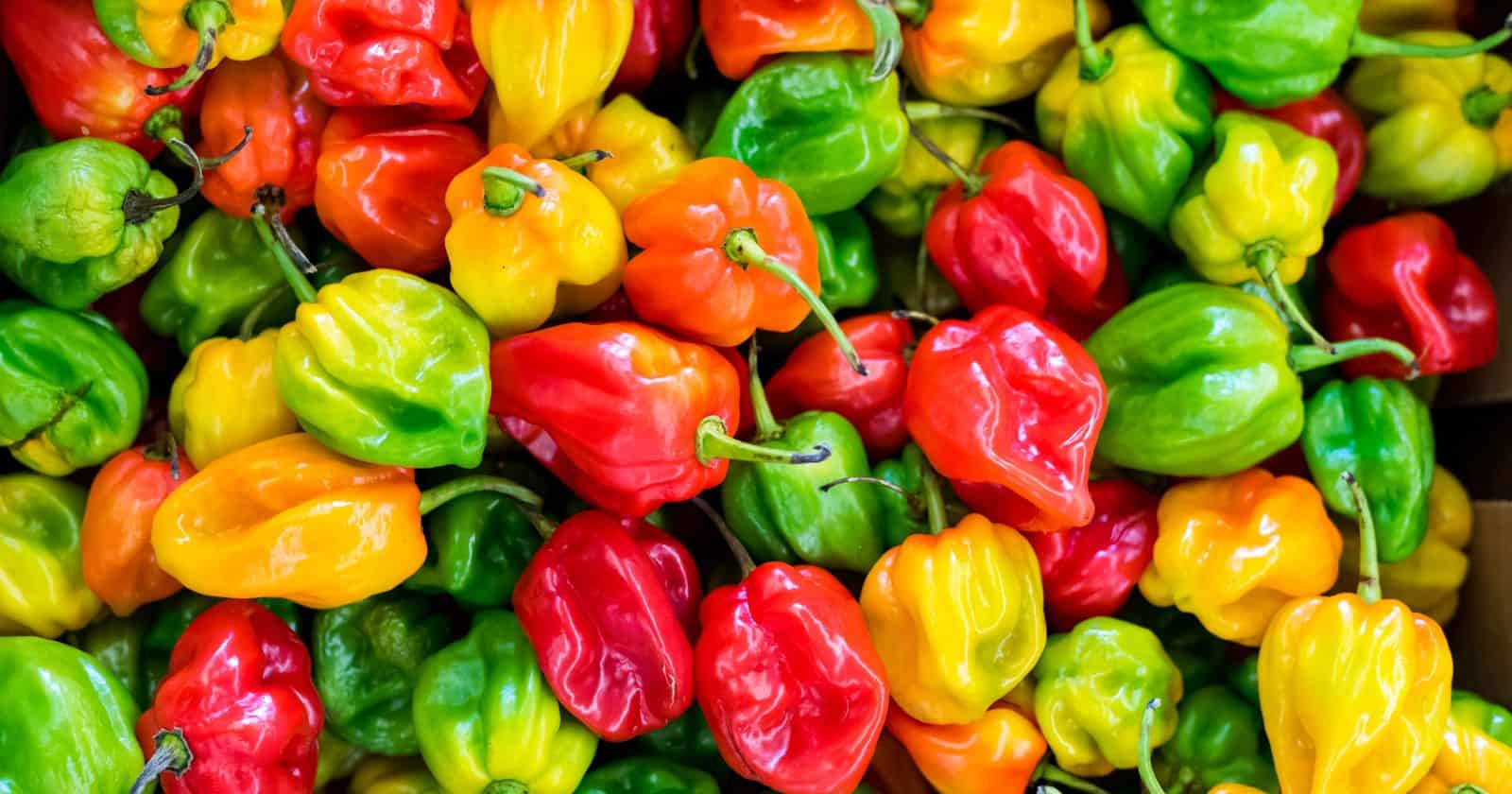
Quality habaneros show firm, smooth skin with vibrant orange, red, or yellow color and no soft spots or black blemishes. Organic options reduce pesticide exposure and often deliver richer flavor profiles.
What to Look for When Buying Habaneros
- Skin quality: Smooth, taut, and glossy indicates freshness
- Color: Bright, even coloring throughout the pepper
- Firmness: Should feel solid with no soft or mushy spots
- Aroma: Fresh habaneros smell fruity and slightly floral
- Stem: Green, intact stem suggests recent harvest
Avoid peppers with wrinkles, dark spots, or signs of mold. These indicate age or improper storage that diminishes both flavor and nutritional content.
Growing Habaneros at Home
Habanero plants thrive in warm climates with well-drained soil and full sunlight. They’re surprisingly prolific producers, often yielding dozens of peppers per plant throughout the growing season.
- Starting: Begin seeds indoors 8-10 weeks before last frost
- Transplanting: Move outdoors when night temperatures stay above 60°F
- Watering: Consistent moisture without waterlogging
- Harvest: Pick when peppers reach full color, typically 75-90 days after transplanting
For beginners who want milder heat, yellow habanero variants produce peppers with gentler intensity while maintaining the characteristic fruity flavor. These make excellent starter plants for first-time growers.
FAQ
Do habaneros lose nutritional value when cooked?
Cooking reduces vitamin C content since heat degrades this nutrient. Light cooking preserves most vitamins while improving capsaicin absorption. Add habaneros late in cooking for the best balance of nutrition and flavor.
Can eating habaneros help with weight loss?
Capsaicin increases metabolism by up to 5% for several hours after consumption and reduces appetite. While habaneros alone won’t cause significant weight loss, they support other weight management efforts when incorporated into a healthy diet.
Are habanero seeds the hottest part?
The seeds themselves contain minimal capsaicin. The white membranes (placenta) holding the seeds contain the highest concentration. Removing both seeds and membranes reduces heat by 70-80% while keeping the fruity flavor intact.
How long does habanero burn last in your mouth?
The burning sensation typically peaks within 15-20 minutes and subsides within an hour. Drinking milk or eating dairy products neutralizes capsaicin faster than water. The casein protein binds to capsaicin molecules and washes them away.
Can I build up a tolerance to habanero heat?
Your body adapts to capsaicin through repeated exposure. Regular consumption desensitizes TRPV1 receptors over 2-4 weeks, allowing you to enjoy hotter peppers with less discomfort. Start small and increase gradually.
Are dried habaneros as healthy as fresh ones?
Dried habaneros retain most capsaicin and mineral content but lose significant vitamin C during the drying process. Fresh peppers offer superior nutritional benefits, though dried versions remain useful for convenience and concentrated heat.
What neutralizes habanero heat on skin?
Vegetable oil dissolves capsaicin better than water since the compound is fat-soluble. Rub cooking oil on affected areas, then wash with dish soap. Avoid touching eyes or sensitive skin after handling habaneros, even after washing hands.
Do habaneros have more vitamin C than oranges?
Habaneros contain approximately 3-4 times more vitamin C per gram than oranges. A single habanero provides 176% of daily vitamin C needs, while an entire orange delivers about 78%. Size matters less than concentration.